What is a pressure-relieving mattress and who needs one?
What is a pressure-relieving mattress?
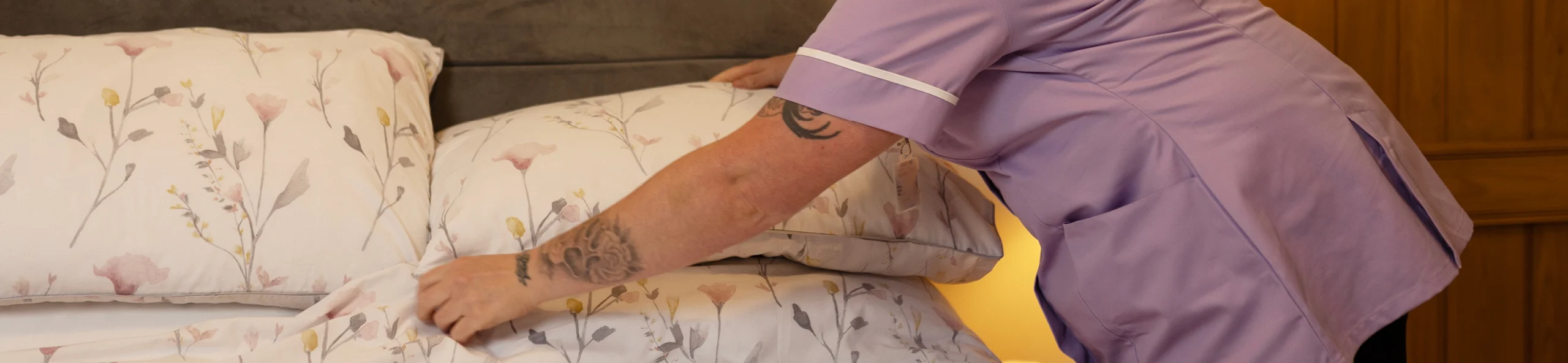
A pressure‑relieving mattress is a specially designed mattress used to help prevent or reduce pressure ulcers, or injuries, by spreading a person’s body weight more evenly and reducing prolonged stress on bony areas such as heels, hips and shoulders. They’re especially important for people who have limited mobility or spend long periods of time in bed. These mattresses work by redistributing pressure either through special foam shapes that conform to the body or by using alternating air systems that gently change contact points to boost circulation and protect the skin. Within the UK care sector, these mattresses are recognised as a method of preventing pressure injuries, alongside making sure to regualruly reposition in bed and checking the skin. The NHS can advise more on pressure injuries and the equipment used to reduce the risk of these, and provides guidance on pressure‑reducing mattresses. These mattresses are even used within hospitals, care homes and for home care from Helping Hands if the person is at a moderate or high risk of developing skin damage.
Types of pressure-relieving mattresses used in home care
Foam pressure-relieving mattresses
These mattresses gently mould to the body, helping to distribute weight evenly and reduce pressure on vulnerable areas. They’re a popular choice in home care, offering reliable comfort and support for people with limited mobility or ongoing aches and pains.
Alternating air mattresses
Alternating air mattresses use air cells that slowly change pressure throughout the night, helping to protect the skin and improve circulation. They’re often recommended for individuals who spend long periods in bed or are at higher risk of pressure injuries.
Hybrid pressure-relieving mattresses
Hybrid mattresses combine supportive foam with advanced pressure-relief technology, offering a balance of comfort and protection. They’re well suited to home care settings where long-term wellbeing and everyday comfort are equally important.
Who benefits most from a pressure-relieving mattress?
The individuals most at risk of pressure discomfort include:
Understanding pressure injuries
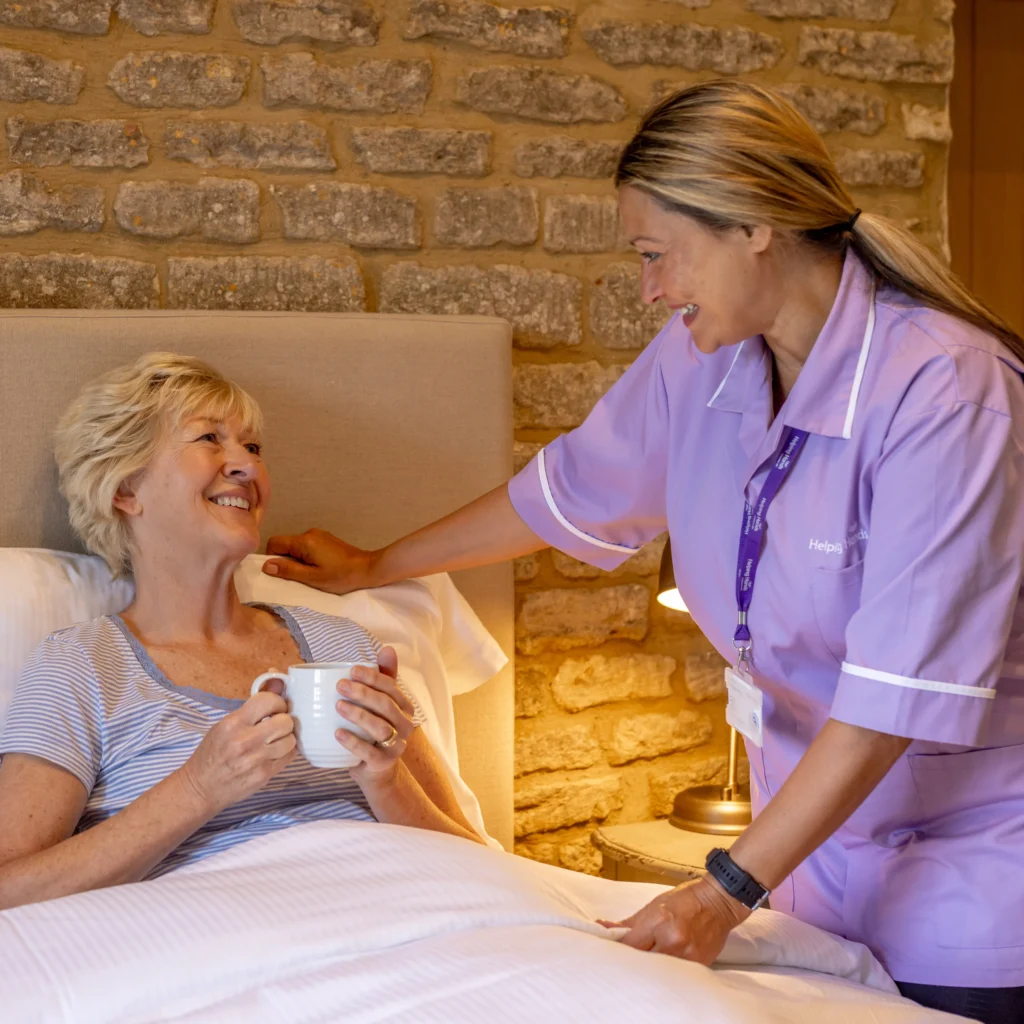
Pressure injuries happen when long-term pressure interrupts blood flow to the skin and underlying tissue, causing damage that can range from mild redness to deeper wounds. These injuries are more likely in those with limited mobility, reduced sensation, difficulty repositioning themselves, or are very frail. They can be painful, distressing, and, if not recognised early, may lead to infection or slower recovery. Caring for someone at risk involves gentle, vigilant support from your Helping Hands carer, including regular skin checks, repositioning, good nutrition and hydration, and using pressure‑reducing surfaces. Recognising the early signs such as persistent redness, warmth, or tenderness can prompt action before a small sore becomes a bigger problem. If you’re looking for some more advice on pressure injuries, the NICE guideline on pressure ulcer prevention and management can help, along with the University Hospitals Sussex NHS leaflet on preventing pressure damage. A Helping Hands carer can offer expert personal care, so we’ll make sure your bed positioning and mattresses are all supporting your rest, while looking out for any signs of injury with a well-trained eye.
Preventing bedsores and skin breakdown at home
Regular repositioning
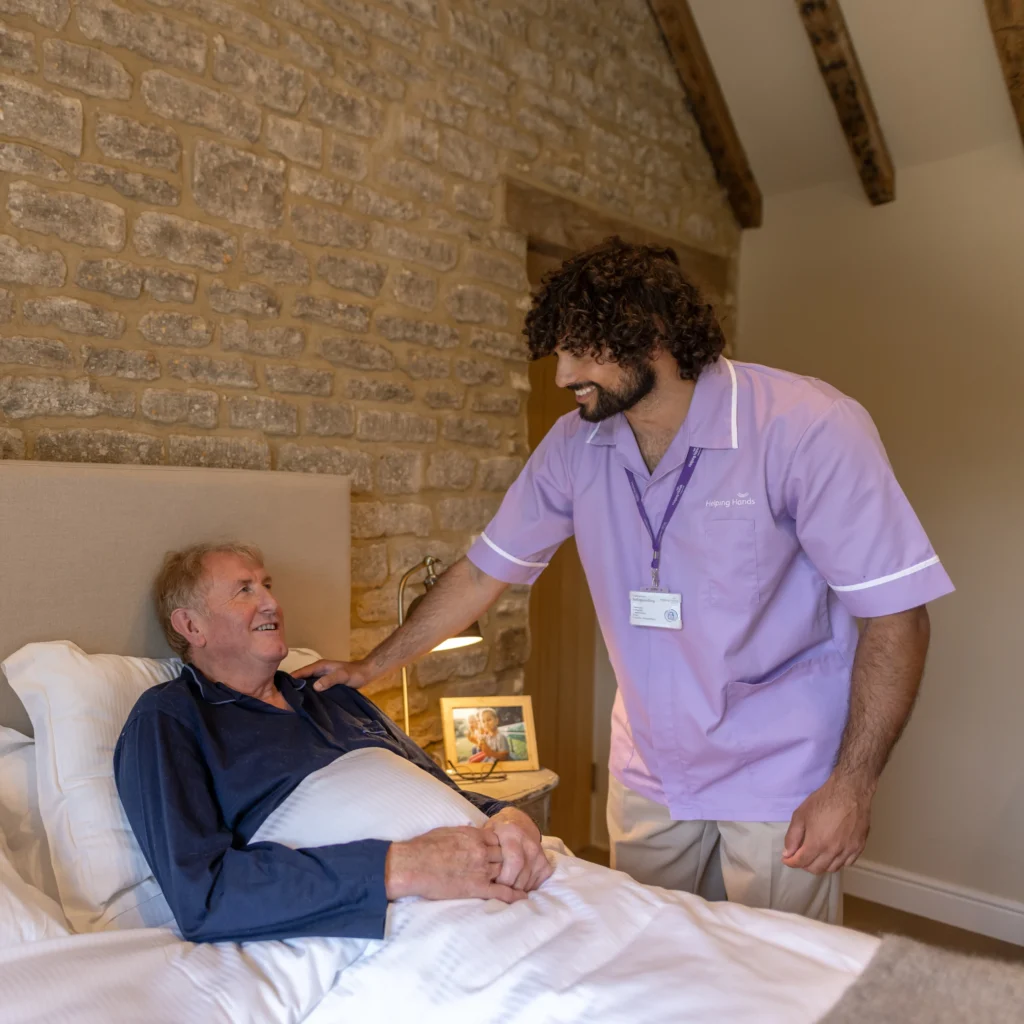
One of the most important ways to prevent bed-related injuries is to change position frequently. If someone spends long periods in bed or in a chair, pressure on certain areas like the heels, hips, or tailbone can reduce blood flow and damage the skin. We can help you plan a gentle schedule of repositioning, ensuring comfort while protecting vulnerable areas. Even small shifts in position can make a big difference over time.
Keep skin clean and moisturised
Maintaining healthy skin is key. Daily gentle cleansing and moisturising helps prevent dryness, irritation, and breakdown. It’s also important to check the skin regularly for redness, warmth, or tenderness, which can be early signs of pressure damage. Our carers support you with careful skin checks and advice, helping you catch any issues early before they become serious.
Use supportive equipment
Pressure-relieving aids like special mattresses, cushions, or pads can reduce stress on bony areas. These can be especially useful for people with limited mobility or those recovering from illness. We can guide you in choosing the right equipment for your home, whether it’s a pressure-relieving mattress for the bed or a cushion for a chair, so you stay comfortable while protecting your skin.
When a pressure-relieving mattress is not enough
A pressure-relieving mattress can offer comfort and support, but in some situations, it may not be enough on its own. Changes in health, mobility, or skin condition can increase the risk of pressure-related issues, so here are some signs to watch out for.
How home care professionals help select and use the right mattress
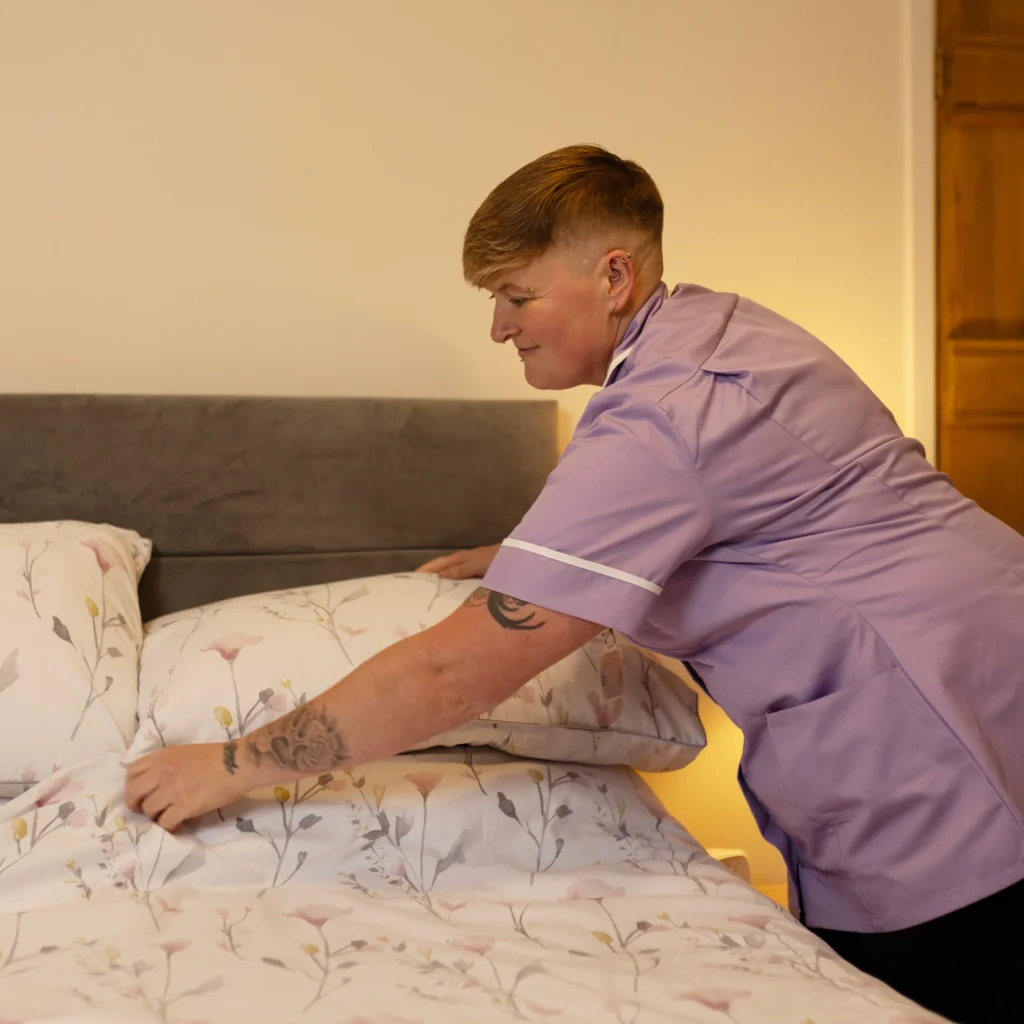
Choosing the right mattress can make a big difference in preventing pressure injuries and keeping you comfortable at home. A Helping Hands carer can assess your individual needs, considering factors like mobility, skin sensitivity, and overall health, and recommend a mattress that relieves pressure in the areas that need it most. They can also show you how to use it correctly, adjust settings on specialised pressure-relieving mattresses, and ensure that cushions or supports are positioned safely. At Helping Hands, we’re proud of how our carers are always a lending hand to our customers by being there through the little things, even selecting your mattress. By being there when you need us most as a trusted companion and experienced carer, we know we’ll help you to stay comfortable, protected, and peaceful in the home you love.
Discover home care support with Helping Hands
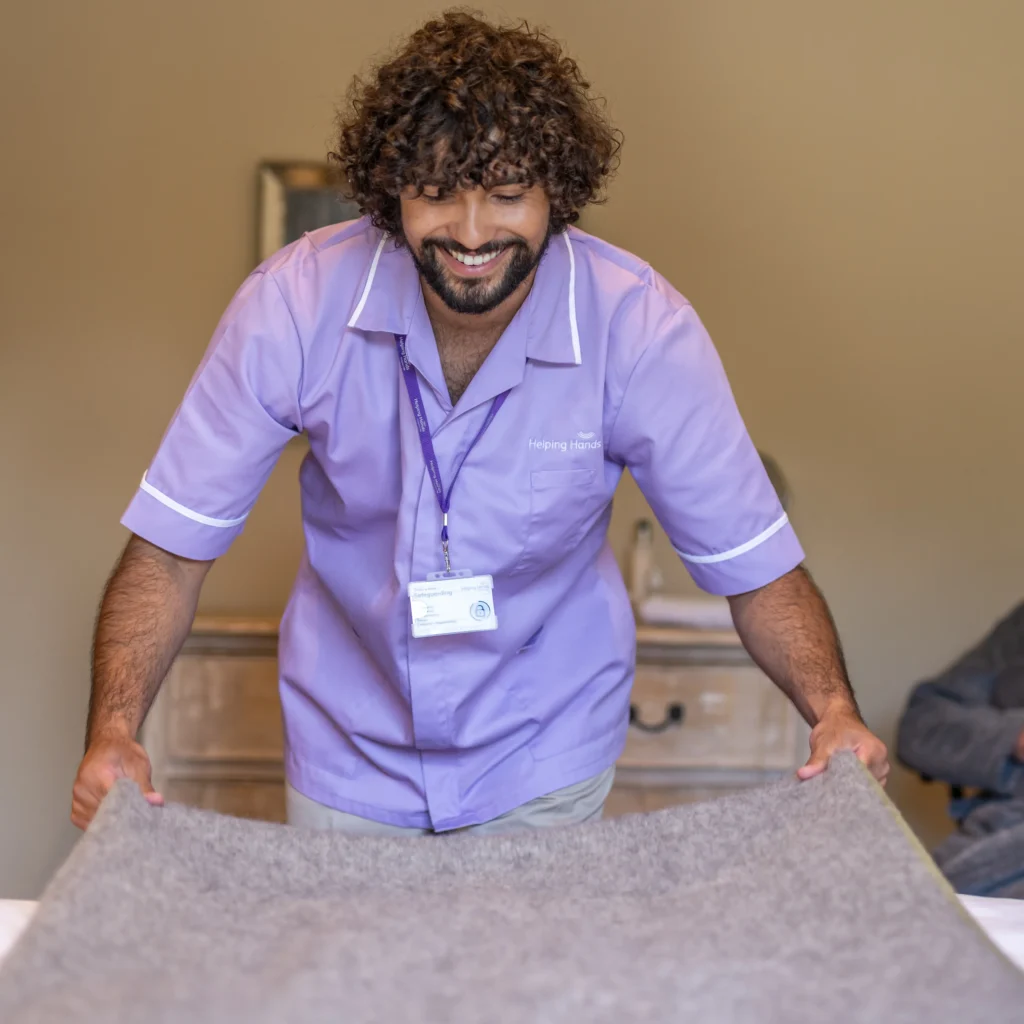
At Helping Hands, we pride ourselves on our ability to be adaptable to your needs. We can offer expert homecare on a live-in, visiting or respite basis.

Visiting care
Live-in care
A fully regulated home care provider
Here at Helping Hands, our service is regulated by the Care Quality Commission (CQC) and the Care Inspectorate Wales (CIW)
This means we need to consistently meet high standards and are monitored by our regulators.