


World Mental Health Day
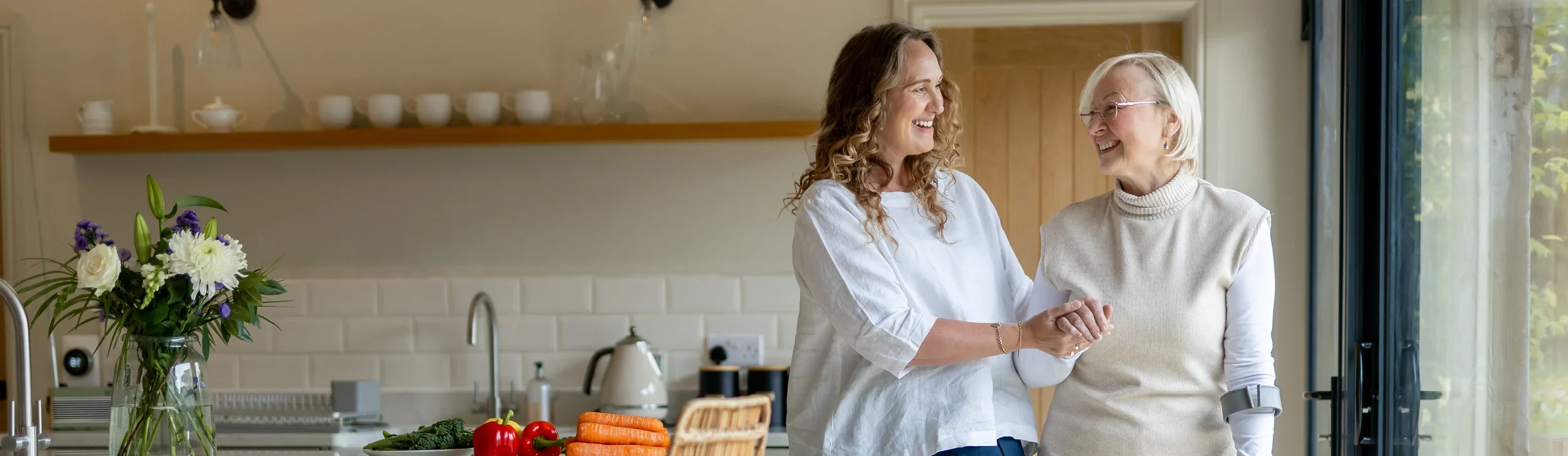
When is World Mental Health Day 2026?
World Mental Health Day 2026 is 10th October. According to the Mental Health Foundation, “For 2026, the theme set by the World Federation for Mental Health is in Lived experiences heard: Real voices, real change.” World Mental Health Day is “a reminder of the importance of good mental health and the need to prioritise and invest in good mental health.”
Helping Hands have been supporting people across England and Wales to live well with their mental health, since we were established in 1989. We offer support on both a visiting and live-in care basis that ensures your mental and physical wellbeing always remain the highest priority.
Why mental health matters in later life
While mental health matters at any stage of life, there are particular circumstances that may affect an older person’s emotional wellbeing. According to the Mental Health Foundation, these include “retirement, bereavement or physical illness,” although “Mental health problems aren’t an inevitable part of ageing”.
Whether an older person lives alone or they have loved ones with them, worries around ageing, potential ill health, and concern around maintaining their independence can also have an impact on mental health.

Common difficulties in older adults
Just because older people are susceptible to mental health difficulties, that doesn’t mean you will develop them. The Mental Health Foundation puts it succinctly. “Most older people don’t develop mental health problems, and there is help available if you do.”
Depression
Depression can strike at any age but it’s not an inevitable part of getting older. Older people may also be less likely to seek help if they do feel depressed. Care home residents are also more likely to be affected, according to the Mental Health Foundation.
Anxiety
We all worry about things sometimes, but chronic anxiety can stop you enjoying life. Anxiety can affect your physical health too, according to Age UK. Symptoms include “fast heartbeat, shaking or sweating” and if you experience any of these you should chat to your GP.
Loneliness and isolation
While everyone feels lonely at times, the death of a long-term partner, retirement, or health problems that keep you at home can isolate you. You may also be caring for a loved one who you cannot leave alone, which can mean you miss out on essential social interaction.
Grief and bereavement
Losing a loved one can be devastating and isolating. You may not want to see people and can go through a wide range of emotions. You may even feel relief if they’d been ill but that can also lead to guilt. Age UK has a guide on coping with bereavement, or you can speak to your GP.
Why poor mental health is often missed
Poor mental health can be overlooked in older adults, due to assumptions being made around cognitive decline and its symptoms. Physical illness can also cause similar symptoms in some cases, which may also be overlooked.
Symptoms mistaken for ageing
Ageism is sometimes the reason that mental health perceptions in older adults are distorted, too. Symptoms are sometimes dismissed as just a part of getting older, or even inevitable. This can lead to serious conditions being minimised or even ignored.
Overlap with dementia and physical illness
When older adults experience memory problems or fatigue, for example, it’s more likely to be considered as cognitive decline or dementia, “rather than exploring potential mental health conditions like depression, anxiety, or ADHD” says Psychology Today.
How to start the conversation with an older relative
Being empathetic is a good way to start a conversation around mental health, while validating their feelings and making sure they know you’re listening. Asking them if they’d like to talk, while recommending sources of support available for mental health may reassure them, although they may have fears around talking to people they don’t know. On the other hand, some older people may find this less awkward than talking to a loved one, especially if they don’t usually have a relationship that invites such open communication. Listening to what they say, even if they aren’t responsive to suggestions is also important to maintain trust. For instance, if they decline help or refuse to discuss it, that is their prerogative.
Practical things that help
If the person is open to suggestions for improving their mental health, physical methods may offer opportunities. Going outside in the sunshine together, reconnecting with loved ones or friends, or trying a new hobby may all help.
Routine and structure
Having a routine can often give someone a framework to plan their days around and ensure they remain occupied. A downturn in mental health can affect routines though and mean that the person’s motivation is lost. This can be especially common after a bereavement, retirement, or unwelcome health news.
Staying connected
Losing touch with family and friends can be a symptom of declining mental health. Loved ones should do all they can to set up regular get-togethers or help their loved one to access support services or activities. Connecting with family and friends can make people feel that they are still part of their wider social networks.
Getting outside and moving
Sometimes being stuck indoors for a long period can cause a decline in someone’s mental health. Loved ones or healthcare professionals should encourage the person to get outside into the fresh air, even if it’s just light gardening, or it could be made into a family activity, and all the generations could go for a walk together.
Sleep and nutrition
The Mental Health Foundation says that “Sleep is a critical component of not just our physical health, but our mental health.” The brain and body need adequate rest, as well as good nutrition and hydration, so that they are able to do their job properly and help us to function well. Insomnia can interfere with every aspect of daily life.
When to speak to a GP
Knowing when to speak to a GP about your mental health isn’t always easy; many people are reluctant to seek help for their mental health, even when they wouldn’t hesitate for their physical wellbeing. It’s important to recognise changes in yourself or loved ones’ mental health so that you can get the support necessary, and your GP will be able to recommend local services that could help, such as talking therapies, activity groups, or medication. Age UK has a booklet called ‘Your Mind Matters’ that can be downloaded. They also state “If you’ve not been feeling yourself lately, remember you’re not alone – there’s support available that could help. Speak to your GP about talking therapies.”
Why a familiar Helping Hands carer makes a difference
Having a Helping Hands carer coming into your home regularly, or living in with you, can make such a difference to your mental health. This is because seeing the same friendly face means that you won’t have to deal with several rotating care teams, while also knowing you’ll have regular companionship.
Companionship care and reducing isolation
Companionship care will see a trained carer come to your home and provide company and everyday help. This could be preparing meals, running errands, doing housework, or accompanying you to activities and appointments.
Visiting care and keeping a regular routine
Visiting care keeps you independent at home, while making sure you get the support you need every day. Starting from just 30 minutes per week, we’ll build your package of care around you and your personal routine.
Live-in care for round-the-clock reassurance
Live-in care can provide the practical help that’s needed, while ensuring that you’re never alone at home. Having someone living in your home with you will ensure you’re never lonely and will avoid social isolation.
FAQs
World Mental Health Day matters, because raising awareness is essential for everyone who experiences mental health problems, and the wider public who may not have personal experience of it.
Mental health matters at any stage of life, but in later life it may become more isolating. This could be due to infirmities that keep people at home, bereavement after the loss of a partner, or generational beliefs around keeping health matters private.
Yes, we offer companionship care that can help to solve isolation and loneliness in later life. As well as practical support, our caregivers provide emotional companionship that means you’ll always see a friendly, familiar face.
Poor mental health is often missed in later life because it is sometimes mistaken for the symptoms of another condition, such as dementia, or other physical ailments.
Improving mental health is personal to each person, but many people find getting out into the fresh air, joining an activity, reconnecting with family and friends, or chatting to their GP can help.