


Heart Health Awareness

Why Heart Health Awareness Matters More Than Ever
Heart health awareness matters more than ever because every three minutes someone in the UK dies from cardiovascular disease.
Our heart is incredible – each day it pumps around 100,000 times, sending about five litres of blood around our body.
This blood delivers oxygen and nutrients and helps our organs work properly, as well as removing waste products.
Heart Disease Statistics for 2026
We are an ageing population. This means that there are more people living with cardiovascular disease than ever before.
The British Heart Foundation (BHF) estimates that by 2030 there could be “1 million more people living with cardiovascular disease…and up to 2 million more than today by 2040.”
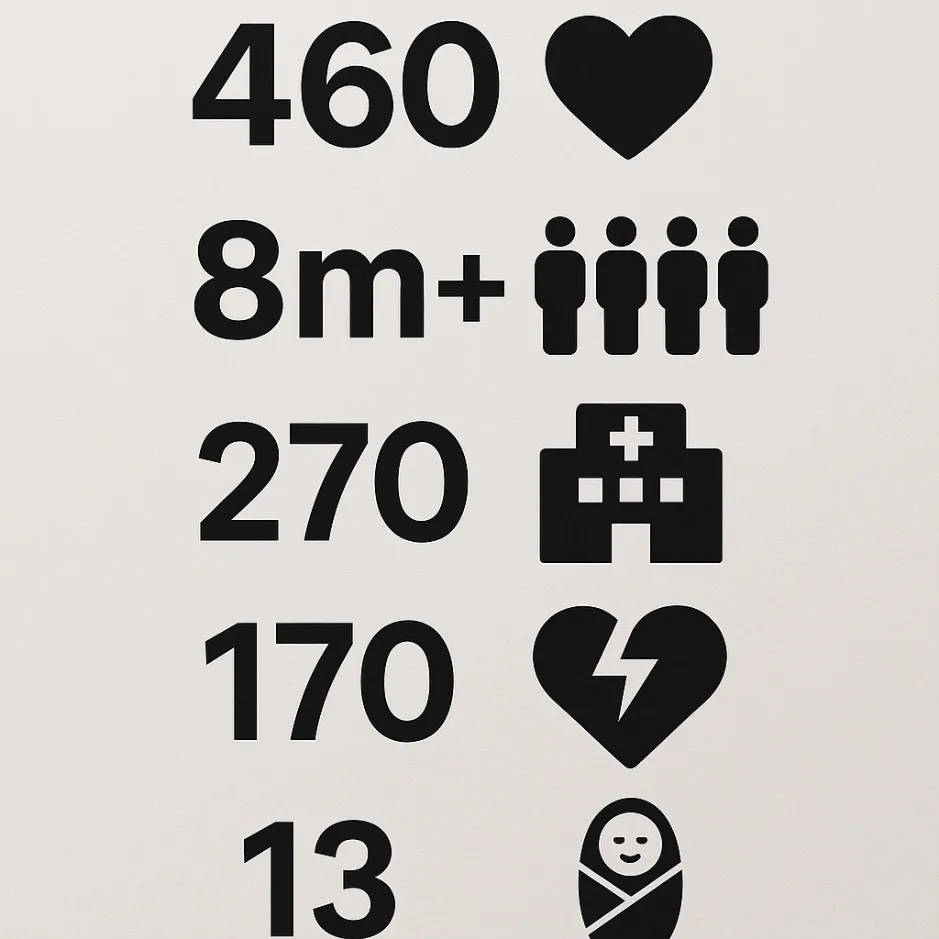
Today, 460 people will die from cardiovascular disease, more than 8 million are living with cardiovascular disease, 270 people will be admitted to hospital with a heart attack, 170 people will die from coronary heart disease, and 13 babies will be diagnosed with a heart defect.
The Most Common Types of Heart Conditions
Abnormal heart rhythm
Also known as arrythmia, means your heart is beating too slow, too fast, or not regularly.
Atrial fibrillation (AF)
A common abnormal rhythm that means your heart beats irregularly and often too fast.
Cardiac arrest
When your heart stops pumping blood around your body suddenly. Different from a heart attack.
Heart attack
A sudden loss of blood flow to a part of the heart muscle, this can seriously damage your heart.
Stroke
When blood flow is disrupted to part of the brain, causing brain cells to be damaged and die.
Angina
A pain or discomfort caused by restricted blood flow to the heart. This can become serious.
How to Reduce Your Risk of Heart Disease
Lifestyle choices such as improved diet, taking exercise, quitting smoking, and maintaining a healthy weight can all benefit the heart.
Stress can also have a negative effect on every aspect of physical and mental health, while increasing the likelihood of developing unhealthy habits.
These habits, such as relying on alcohol or drugs, will all have a detrimental long-term effect on health and increase the risk of heart disease.
The Role of Diet and Exercise in Heart Health
Reducing salt, sugar, and fat in your diet, while increasing fibre, fruits, vegetables, beans, legumes, and whole grains, can have a beneficial effect on your heart health. Lean proteins such as oily fish, poultry, and plant-based proteins, can also help.
If someone hasn’t exercised in a long time, it’s important to chat to a healthcare professional before embarking on any regime. Choosing an activity that suits your lifestyle and health condition is important.
The BHF tells us that “The NHS recommends 150 minutes of moderate intensity activity, like cycling or brisk walking, a week” so finding something that you enjoy is key to long-term success.

Managing Blood Pressure, Cholesterol, and Diabetes
Blood Pressure, cholesterol, and diabetes can often be controlled through changes in diet and lifestyle.
Hypertension (high blood pressure) increases the risk of heart attacks, strokes, and kidney disease. Genetics and existing conditions can affect all of these conditions; however lifestyle is also a large contributing factor.
High cholesterol also puts you at risk of a heart attack or stroke. Diet and lifestyle changes, plus medication in many cases, will make all the difference.
How Families Can Support Loved Ones With Heart Conditions
Families can help loved ones with a heart condition in a number of ways. They can remind them to take their medication, support them to eat well, and encourage them to be physically active.
They can also accompany them to health appointments and find local social groups that will help the person to feel less isolated with their condition.

Heart Health Awareness at Home With Helping Hands
We’ve been supporting people with their heart health since 1989, so we’re very knowledgeable about how we can make a difference.
We can support you to live as well as possible at home, through encouraging you to eat well, take exercise, and remember your medication.
If you would like to live well at home with a heart condition, then our visiting or live-in carers can be there for you.