


Lung cancer

The causes of lung cancer
It’s important to understand the risks to reduce the impacts.
There are an estimated 47,000 new cases of lung cancer in the UK every year. It is commonly caused by cigarette smoking although it can occur in one in 10 non-smokers too, through passive smoking or – in some rare cases – by exposure to certain chemicals.
By stopping smoking or reducing your exposure to passive smoke, you will dramatically reduce your risk of developing the condition.
Lung cancer is most common in men, especially over the age of 40. However in recent years, the number of women developing lung cancer has significantly increased.
On average, lung cancer takes the life of around 90 people per day, causing more fatalities than any other form of cancer.
The main causes of lung cancer include:
Cigarette smoking
Smoking cigarettes is the single biggest risk factor for lung cancer – it’s responsible for more than 7 out of 10 cases
Secondhand smoking
Frequent exposure to other people’s tobacco smoke (passive smoking) can also increase your risk of developing lung cancer
Exposure to certain chemicals
Exposure to certain chemicals and substances which are used in several occupations and industries may increase your risk of developing lung cancer
Spotting and diagnosing lung cancer
There’s no effective screening test currently available for lung cancer like there are for other forms of cancer.
If you spot any of the symptoms listed below, it’s important that you get them checked by a doctor. The symptoms are not always down to cancer, but it’s still advised that you get them examined to be on the safe side. The first course of action if you notice any of these symptoms is to consult your doctor, who may then send you for a chest X-ray. You may then be referred to have further tests, such as a biopsy, which will take a sample of cells from your lungs for further examination.
The most common symptoms of lung cancer are:
Coughing up blood
If you’re coughing up blood, the NHS advises it’s important to get it checked out as soon as possible
A persistent cough
A persistent cough that does not go away after three weeks, or a long-standing cough that gets worse
Shortness of breath
Shortness of breath and breathlessness after little or no exercise can be a symptom of lung cancer
Chest pain
You might experience discomfort in chest, or pain when you breathe in deeply
Loss of appetite
A loss of appetite and/or weight, possibly accompanied by having difficulty swallowing
Fatigue
Persistent tiredness or lack of energy over a sustained period of time
Lung cancer treatment
There are two main types of lung cancer and the treatment that you’ll need will depend on which one you are diagnosed with.
Small-cell lung cancers (SCLC)
Non-small-cell lung cancers (NSCLC)
Lung cancer care at home
At Helping Hands, we believe that home is the best place to receive the care you need.
Being diagnosed with cancer is a distressing time. Lung cancer care at home can help you or someone close to you affected by cancer while in hospital or as you recover from treatment. With over 35 years’ experience of providing quality home care, we’re here to help you and your family come to terms with a diagnosis of lung cancer. We work with Macmillan nurses and doctors to make sure you have the right care for your needs.

A home carer can help with:
Personal care
Carers can always help with routines such as bathing, dressing, continence, tending to hair and nails, shaving, foot care and preventing pressure sores
Housekeeping
A little extra help with cleaning, tidying and other chores can go a long way to reducing stress levels and giving you time for yourself
Helping you be comfortable
A carer can help you manage the symptoms of your cancer with tailored care that focuses on supporting you to be comfortable
Administering medication
All of our carers are able to collect your medication on your behalf and help you to organise and administer it, giving you all peace of mind
Nurse-led support
A little extra help with cleaning, tidying and other chores can go a long way to reducing stress levels and giving you time for yourself
Errands and shopping
You might benefit from errand support, such as help with your mail, picking up groceries or feeding and exercising a beloved pet
Living with one lung
Having a lung removed can be disconcerting, but life can continue fairly normally.
You can still breathe normally with one lung, although if you already had troubles with your breathing beforehand, you may find that you become increasingly breathless. Before deciding on the right treatment or operation, you’ll go through a series of breathing examinations to decide the next steps.
Lung cancer can cause blockages in the airways or in your windpipe, which results in increased breathlessness. Targeted procedures such as laser surgery can provide some relief in these instances.
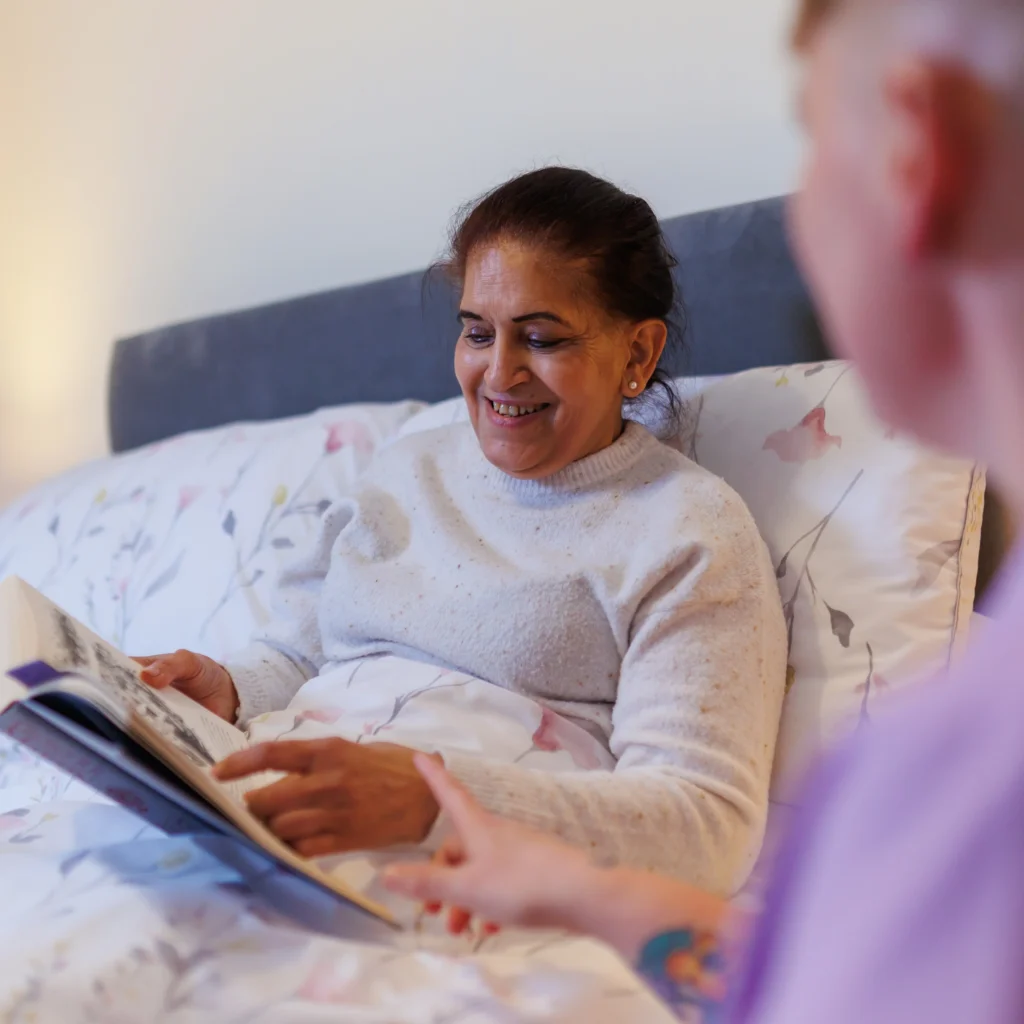
During and after lung cancer treatment
It’s not uncommon for new symptoms or illnesses to develop during your illness.
It’s not uncommon for new symptoms or illnesses to develop during the course of your illness. This may be due to the cancer spreading to other areas of your body. Additional symptoms can also be caused by other hormones released by the cancer cells and these can upset the body’s natural chemical balance.
In any case of new symptoms developing, consult a doctor or other healthcare professional involved in your lung cancer care. They will be able to diagnose the issue and guide you to any additional treatment which might be required.

How to organise care
Speak to our team
Our friendly, knowledgeable team can answer your questions and talk you through your options. We are available 7 days a week.
Book a free care assessment
Your local Helping Hands care manager will visit you to understand your needs and preferences and discuss how we can help. We can visit you at home, in hospital or even a care home to carry out the care assessment.
Confirm your care package
We create a tailored care plan for you to review. Once you’ve agreed the plan, we can organise care in as little as 24 hours.