


Palliative Care: What It Is & How It Works

What is palliative care?
Palliative care is specialist support for people living with a serious, life limiting illness. It focuses on relieving symptoms, managing pain, and improving quality of life. Palliative care can be provided at home, in a hospice, hospital, or care home.
Provided by highly-trained carers, palliative care offers targeted relief for symptoms and complements curative treatments, helping to alleviate the stress of the illness for both patient and their family.
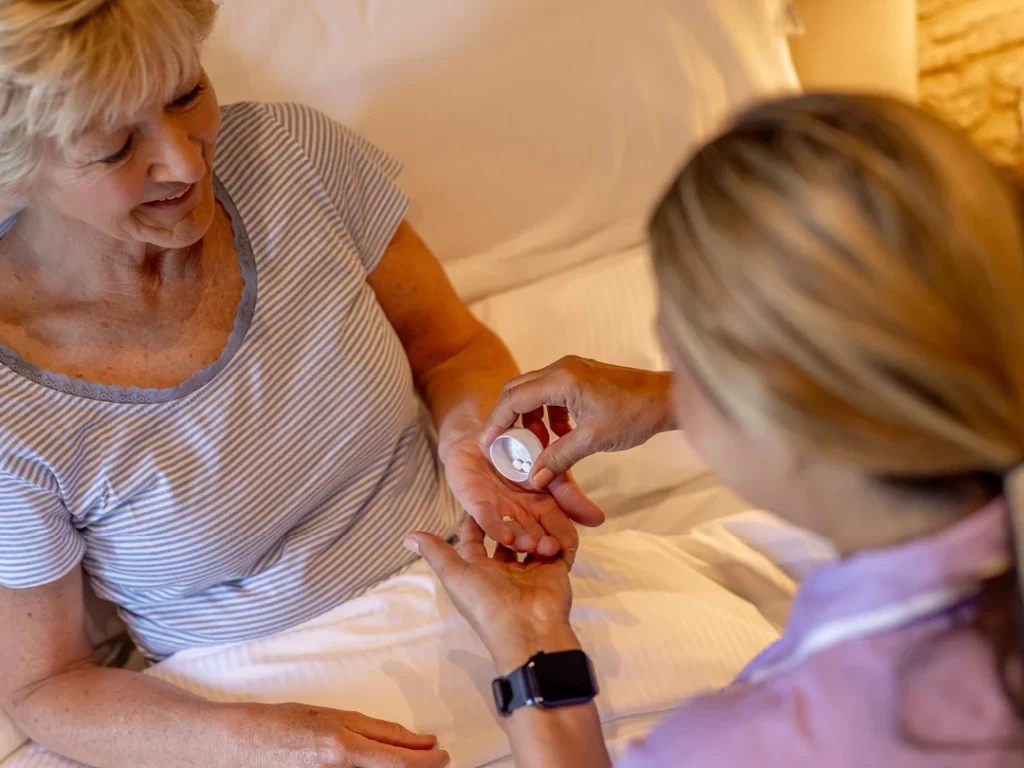
Specialist palliative care, tailored to your needs
Our specialist palliative care allows your family to make the most of your time together.
Palliative care at home allows you to stay in the place you feel most comfortable, surrounded by memories and the people you love. With one-to-one support from a compassionate carer who has been trained in end-of-life care, you can have specialist support and symptom relief from serious illness, whenever it is needed.
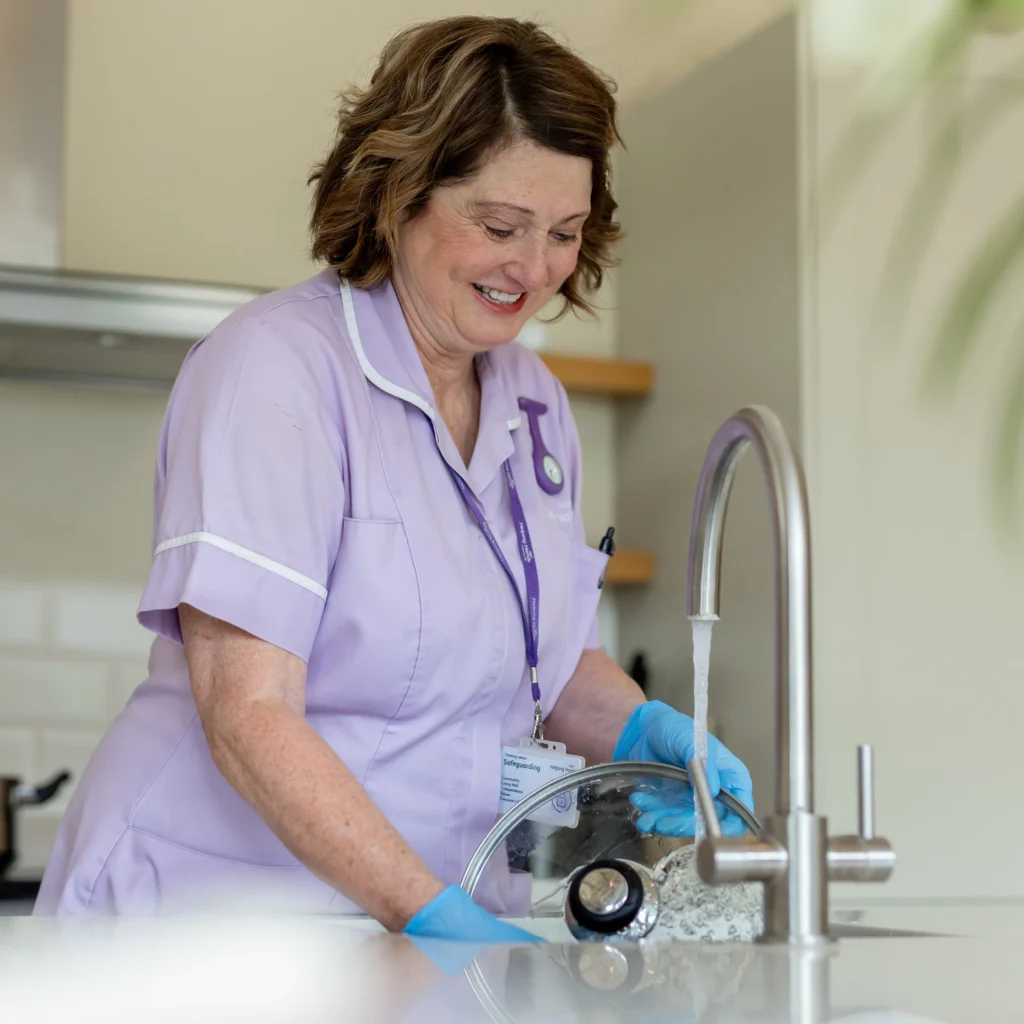
Palliative care can support you with:
Personal care
We can assist with all aspects of personal and continence care, from managing a stoma or a catheter to helping with bathing and dressing
Symptom management
Our palliative carers are trained to help you manage any painful symptoms you may be living with, allowing you to live in comfort
Administering medication
Your palliative carer can assist with medication support – whether that’s collecting it for you, organising it or actually helping administer it
Preparing meals
A palliative carer can cook healthy, balanced meals to ensure you’re getting all the nutrients you need, and prepare your favourite meals and snacks
Valued companionship
Having a friendly, trusted companion can go a long way to supporting your emotional well-being, as well as being a source of comfort and reassurance
Mobility support
Our carers receive full training in providing safe and practical mobility support, helping you to move around your home securely and confidently
Dedicated support for medical conditions
Our carers receive expert training in caring for people with a wide range of medical conditions.
Whether you’re looking for a full-time live-in carer or intermittent visits from a local care team, we provide a full range of services for people living with various illnesses. Our hospice and palliative care specialists follow the national palliative care guidelines. And, with local branches and trained carers across England and Wales, fast-track palliative care can be provided at a moment’s notice.

The benefits of home care
At Helping Hands, we firmly believe that home is the best place to receive palliative care.
In our 36 years of providing person-centred home care, we’ve found that our customers truly appreciate being able to remain in the home that they love while receiving empathetic palliative care.
Staying at home means you can continue enjoying your normal routines, home comforts and familiar sights and sounds.
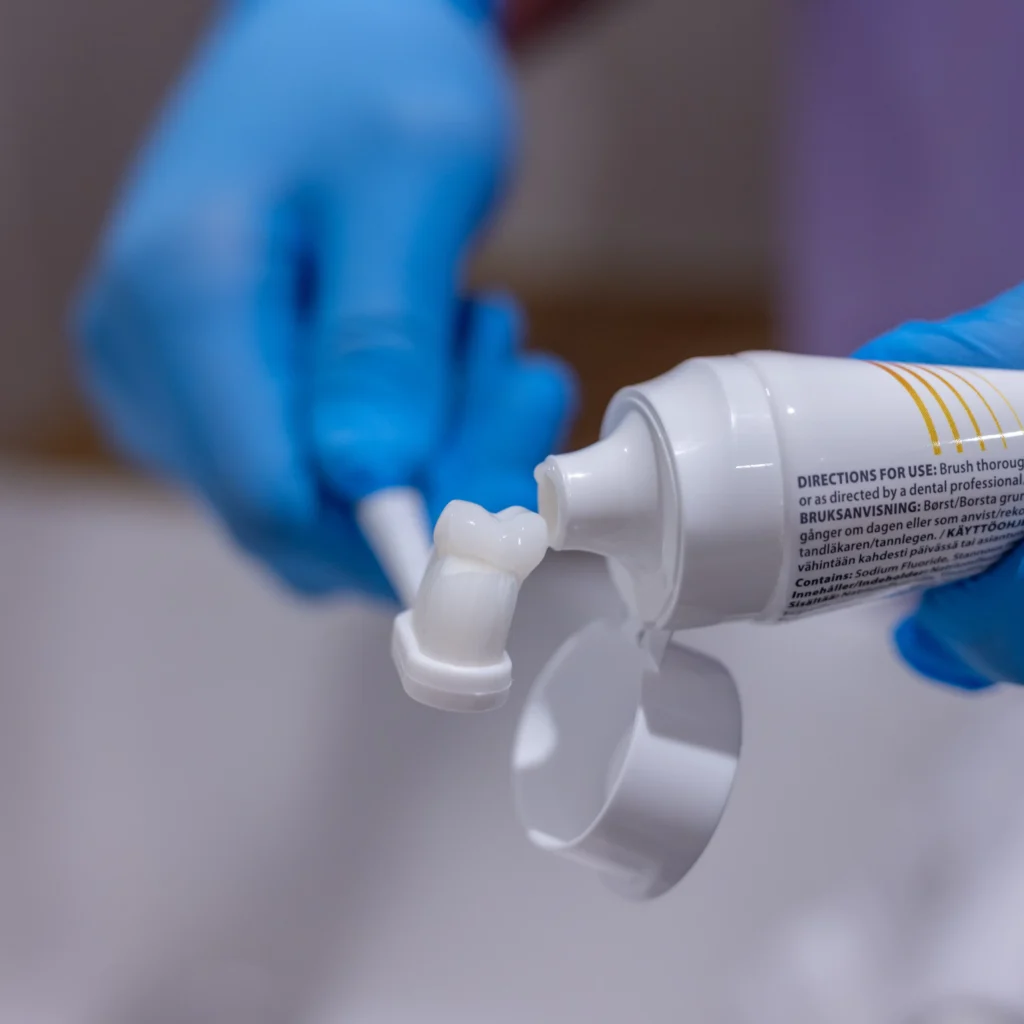
Here’s how you can benefit from palliative care at home:
Enjoy a familiar environment
Care at home allows you to spend your last months or weeks in the comfortable, familiar surroundings of your own much-loved home
Remain closer to loved ones
Staying at home means you’ll be able to set your own schedules, and spend more time seeing friends and family on your own terms
Receive one-to-one support
You’ll receive personal support from a dedicated, compassionate carer who will be completely familiar with your condition and circumstances
Cared for by specialists
All Helping Hands palliative carers receive palliative care training to deliver exceptional, compassionate support for people with a range of conditions
Personalised symptom relief
You’ll be provided with a palliative care plan that focuses specifically on your condition – whether that’s a type of dementia, cancer, or anything else
Peace of mind for the family
Palliative care provides peace of mind both for you and for your loved ones, which is something you simply can’t put a price on
Types of palliative care at home
At Helping Hands, we’re able to offer palliative care on a visiting and live-in care basis, with every aspect of your care being independently regulated and monitored.
Visiting care

Live-in care
When should I have palliative care?
Helping Hands carers looked after our mother for over four years until she sadly died. Our live-in carer became part of the family and cared for our mother at home right to the end.
All the carers are kind and very professional – Mum loves them and we have complete trust in them to provide the best care for her.
Christine, Trustpilot review

Palliative care can be offered at any point after a terminal diagnosis, including alongside other treatments, therapies and medicines aimed at controlling your illness.
Palliative care differs from end of life care in that it can sometimes last for years, so it can be difficult knowing when to start seeking palliative care. Our care experts can recommend a palliative care package to suit your needs, and you can also consult your GP to discuss your care requirements.
How soon can palliative care be arranged?
With long-term illnesses, symptoms can change rapidly and care needs can be urgent.
We offer emergency home care and respite live-in care and in many cases, we can begin arranging care within 24 hours of your initial call. This is especially useful if your situation doesn’t allow you to plan ahead. If you are currently in hospital or a residential setting, your local dedicated care manager can help your move back home.

3 simple steps…
How to arrange palliative care
Speak to our team
Our friendly, knowledgeable team can answer your questions and talk you through your options. We are available 7 days a week.
Book a free care assessment
Your local Helping Hands care manager will visit you to understand your needs and preferences and discuss how we can help. We can visit you at home, in hospital or even a care home to carry out the care assessment.
Confirm your care package
We create a tailored care plan for you to review. Once you’ve agreed the plan, we can organise care in as little as 24 hours.
Palliative care versus hospice care
Unlike moving to a hospice, palliative care at home allows you to stay in the place where you feel most comfortable, surrounded by familiar sights and views and the people you love. With one-to-one support from a compassionate carer who is experienced in providing meaningful care, you can have specialist support and symptom relief from serious illness, whenever it is needed. Listed below are some of the many reasons why people are choosing palliative home care over hospice care.
You can remain in the comfort of your own home
You have full control over your meal times and preferences
One-to-one, 24-hour care from your own dedicated carer
You can continue with your preferred lifestyle and routines
Your friends and family can visit as much as they like
Here’s what other people are reading about:
Dementia care
Find out more about our expert dementia care services
Parkinson's support
Discover how we can support a loved one with Parkinson’s
What is palliative care?
Read more about the details involved in palliative care
Rehabilitation support
Learn how we can support you during a period of recovery
Nurse-supported care
Find out more about our nursing team and expertise
A fully regulated home care provider
Here at Helping Hands, our service is regulated by the Care Quality Commission (CQC) and the Care Inspectorate Wales (CIW)
This means we need to consistently meet high standards and are monitored by our regulators.


Why is being a regulated care provider important?
Independent inspections of our service, giving you peace of mind
Fully vetted, high-quality carers
Guaranteed training and development for our staff
What our customers think
Find out what our customers are saying about our home care.
With over 4000 Trustpilot reviews and an average score of 4.7, we’re the UK’s most widely trusted home care provider. Read some of our wonderful reviews and find out why people are choosing us to look after their loved ones.
Palliative care FAQs
The 7 Cs of palliative care, Communication, Coordination, Symptom Control, Continuity, Ongoing Learning, Carer Support and Care of the Dying, form the Gold Standards Framework. It focuses on providing compassionate, well-organised end-of-life care, with an emphasis on managing symptoms, supporting patients and their families, and ensuring care is joined up and works smoothly.
Palliative care is provided by our expertly trained carers. They can enable the individual to stay comfortable at home, as well as assisting their families with emotional support.
Palliative care can begin at any time that the individual decides, whereas hospice care is applicable when treatment is no longer the goal of care – favouring the quality of life of the recipient.
To arrange palliative care, please give a member of our customer care specialists a call, who will be happy to assist you with arranging your package of care.
When someone is in palliative care, it means that they’ve received a terminal diagnosis or are living with a progressive condition but aren’t necessarily at a point where they require specialist end-of-life care.
Palliative care isn’t only for the final stages of life. It focuses on managing symptoms and improving quality of life for people with serious illnesses, and it can continue for many years. When care shifts towards the end-of-life phase, it is typically considered when someone is thought to be in the last 12 months of life. Hospice care, however, is usually offered when a person is expected to have around six months or less to live.
Palliative care is for anyone living with a terminal illness who needs support managing the symptoms of their condition and maintaining their comfort and independence.
Page reviewed by Carole Kerton-Church, on July 25, 2024.
How we wrote this page
This page has been produced referencing key insights and data from external experts, trusted medical sources and our team of in-house specialists. We have worked hard to ensure that all information is as accurate as possible and reflects current consensus at the time of writing and reviewing.