


Home Care vs Care Home: Cost Comparison

What's the Difference Between Home Care and a Care Home?
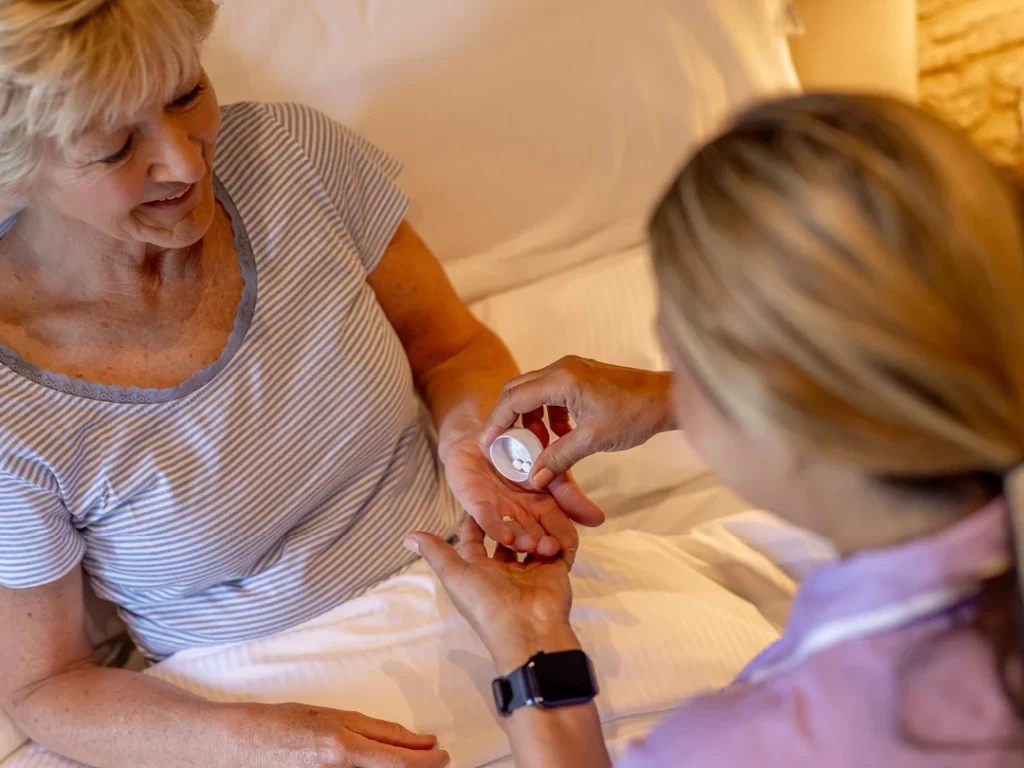
The biggest difference you’ll find between home care and a care home is that receiving care at home means you have individualised, one-to-one care. This can’t happen in a care home environment due to staffing levels compared to number of residents. Your carer will live in your home with you or visit at prearranged times, meaning that you remain in control of your care and see the same faces every time. This is especially important for people who are living with dementia.
How Much Does Home Care Cost?
Home care costs vary depending on the level of care you need and the frequency. At Helping Hands, we have a dedicated costs and funding page that will detail your options. We always design a personalised quote for all of our customers though, so you’ll know in advance what you’ll pay.
Hourly visiting care costs
Helping Hands’ visiting care begins from £32.40 per hour, plus a per visit charge of £4.50. Visiting care begins from 30 minutes per week up to as many visits as you need.
Live-in care costs
Live-in care is a person-centred way of receiving around-the-clock support. Our live-in care costs begin from £1,675 per week for an individual or £2,125 per week for a couple.
How Much Does a Care Home Cost?
According to carehome.co.uk care home fees vary greatly depending on where you live in the UK and the type of support you need. For instance, complex nursing care in a specialised environment will always cost more than simple residential care.
Residential care home fees
Carehome.co.uk states that the average weekly costs of residential care in 2026 is £1,298. This takes into account geographical differences. For instance, care homes in London will costs more than those in the North East or South West.
Nursing home fees
Nursing home care is more expensive than residential care due to the additional support required. Carehome.co.uk states that the average UK nursing home fee in 2026 is £1,535 per week. Nursing homes will have qualified nurses on site at all times.
Home Care vs Care Home Costs Compared
While on paper it may look as if care home fees are sometimes lower than receiving care at home, you have to consider everything that home care offers that can’t be measured monetarily. This includes remaining in familiar surroundings, with people and pets you love, having favourite views from your windows, and friends nearby.
Advantages of staying at home
By continuing to live at home you get the best of both worlds; you continue living in the place you love and get the care you need to remain independent, regardless of how often you need us.
Will I pay more for care at home?
Costs will be comparable depending on what level of care you require. However, you get to continue living in the place you love in familiar surroundings, and you can’t put a price on that.
Would you suit residential care?
Residential care may be the right choice for you if you enjoy the sociable aspect of living in a multi-resident environment. Howwver, if you love your own space, you’d probably be better off at home.
Home Care vs Residential Care
You can remain in the comfort of your own home
You have full control over your meal times and preferences
One-to-one, 24-hour care from your own dedicated carer
You can continue with your preferred lifestyle and routines
Your friends and family can visit as much as they like
What Affects the Cost of Care?
There are many factors that can affect the cost of care, and it’s very important to have all the information you need to make an informed decision. We’ll arrange a free, no obligation assessment for you where one of our local managers will explain the costings and how they’re broken down.
Level of care needed
We support people living with the most complex care needs, through to a need for a little housework help or companionship. Your care costs will be affected by how much support you need each day. Our customers have cancer, dementia, spinal injuries and Parkinson’s, are at the start of their journey and at end-of-life.
Where you live in the UK
Geographical location can often make a difference to the cost of your care. For instance, if you live in London, you will most likely pay more, reflecting the higher cost of living generally. If you live in a cheaper part of the UK, then your care may cost less. Weekends and Bank Holidays may also incur surcharges.
Funding Options and Financial Support
We aim to keep things as simple and straightforward as possible when it comes to costs, as we understand how stressful it can be organising home care for yourself or a loved one. We’re always by your side to advise and guide you.
Local authority funding
You should request a financial assessment from your local authority to find out if you’re eligible. It’s likely that if your investments and savings, are greater than £23,250, your local authority will consider you able pay for your care yourself. You may be eligible for partial help though, if not full.
NHS Continuing Healthcare
NHS continuing healthcare funding (CHC) is available to those who have ongoing health conditions, that require complex care delivery or palliative support. Fully funded by the NHS, this package of care is assessed on your care needs specifically, can be permanent and will be reviewed regularly.
Self-funding your care
Most of our customers pay for their care privately. We can sit down with you and your loved ones to work out a care and payment plan that allows you to receive the support you really need. Your care always remains flexible enough to change whenever your needs or preferences do.
How Helping Hands Can Help You Compare Your Care Options
We know that there are many care providers out there but we strive every day to provide excellence every time, which is borne out by our over 5000 favourable Trustpilot reviews. Our carers are genuinely compassionate people, who care about the customers they support across England and Wales. And because our visiting care and live-in care is fully regulated by the Care Quality Commission and the Care Inspectorate Wales, you and your loved ones can be confident that you’re always in the very best hands. We’ll also keep our care costs transparent at all times so you don’t get any unpleasant surprises when your bill arrives.
FAQs
All of our customers wish to continue living in their beloved home, which is why they chose home care. There are many reasons for having care at home that go beyond pounds and pence, such as looking at your precious view, continuing to be around beloved family members and pets, and removing the physical and emotional upheaval of leaving a place you’re happy in.
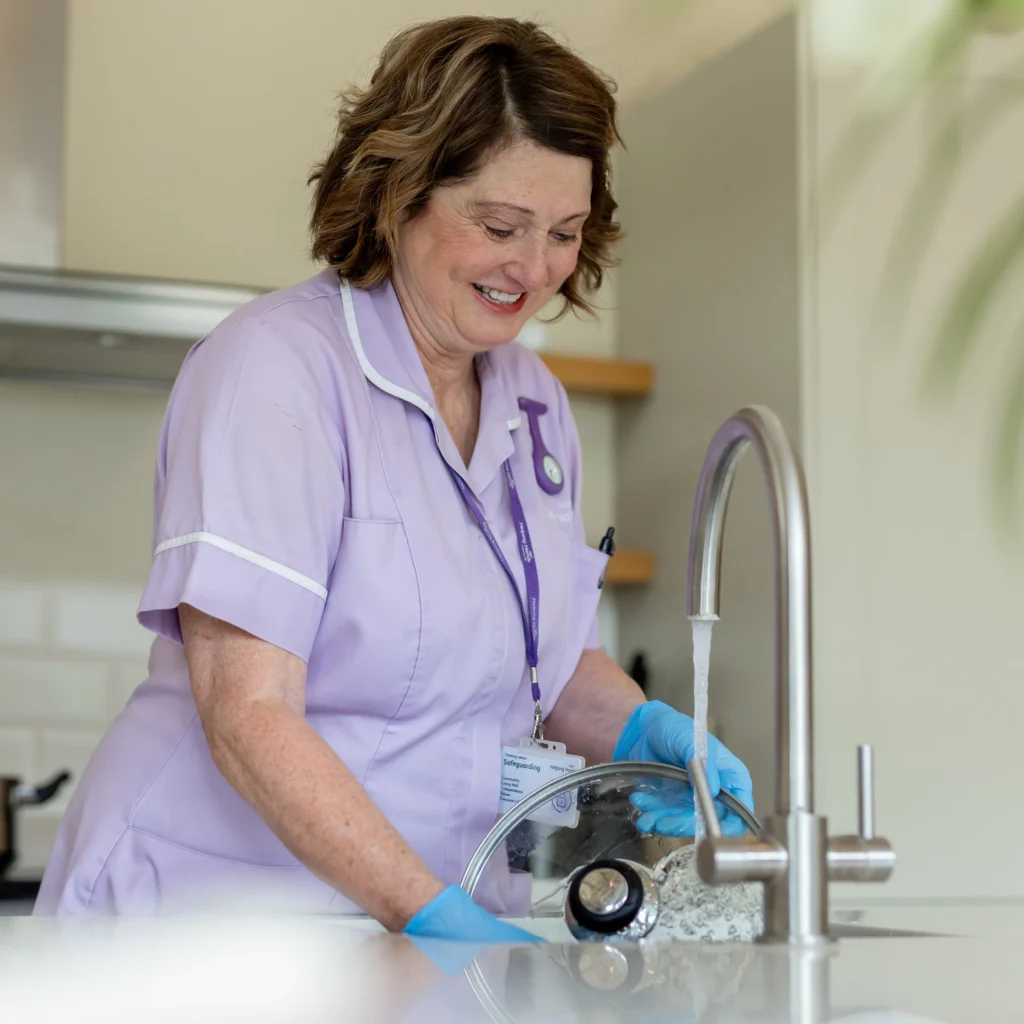
Home care consists of every aspect of your physical and emotional wellbeing taken care of, especially if you choose a long-established company such as Helping Hands. We’ll undertake your housework, personal care, medication, meal preparation, mobility, and support outside of the house, as required.
This is of course, entirely up to you and your preferences. However, continuing to live in your own home will mean you’ll receive personalised, one-to-one care that you can’t hope to receive in a residential location, simply because care staff there – however well-meaning – have more than one resident to support at once.
Our care services are available in most of England and Wales, and we have 155 local branches that are owned and run by us. Unlike some of our competitors, we don’t sell franchises; this way we can be sure that our high standards of care delivery are replicated across all of our locations. Chat to our friendly customer advisors to discover what services we offer in your area.
Helping Hands stands above so many other care companies (and all care agencies) when it comes to consistently high standards. This is because we’re fully regulated by the Care Quality Commission and Care Inspectorate Wales. Our carers are carefully selected, screened by the DBS, and comprehensively trained before they deliver care in your home, so it’s no surprise we’ve been delivering exceptional home care since 1989.