


Skin Care for Older People: How to Prevent Dry Skin, Skin Tears and Infection
How skin changes as we age
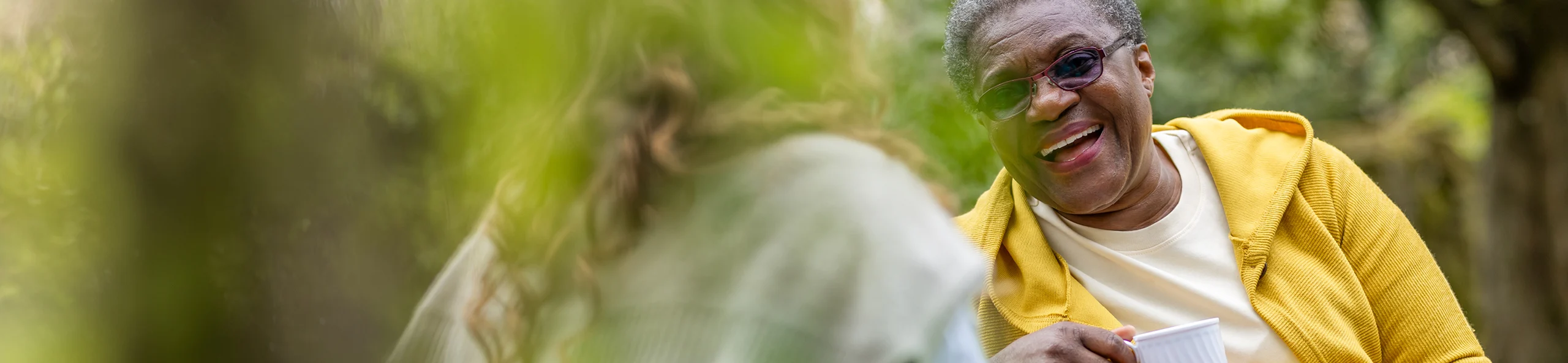
According to the Cadogan Clinic, “Collagen is the protein that gives our skin its elasticity and strength. As we get older, our collagen levels drop – we lose 1% of our collagen in our skin each year. This causes the skin to sag and wrinkle.”
It’s not just the skin’s natural processes that can affect ageing though; lifestyle choices and environmental factors – such as smoking, excessive consumption of alcohol, over exposure to sun, air pollution, and poor diet – can all affect skin quality.
Preventing and treating dry skin
Older skin needs to be looked after carefully. The thinner structure can be easily damaged if not tended to gently. Several common agents – such as soap and water, excessive heat or cold, friction, and dry air – can upset older skin.
Choosing the right moisturiser
Moisturiser is a personal choice; what works for one person’s skin may not work for another. Your dermatologist will recommend one to try and can suggest others if they don’t suit. Skin should be examined regularly to check for changes, such as early signs of skin cancer, or infections.
Gentle washing and bathing
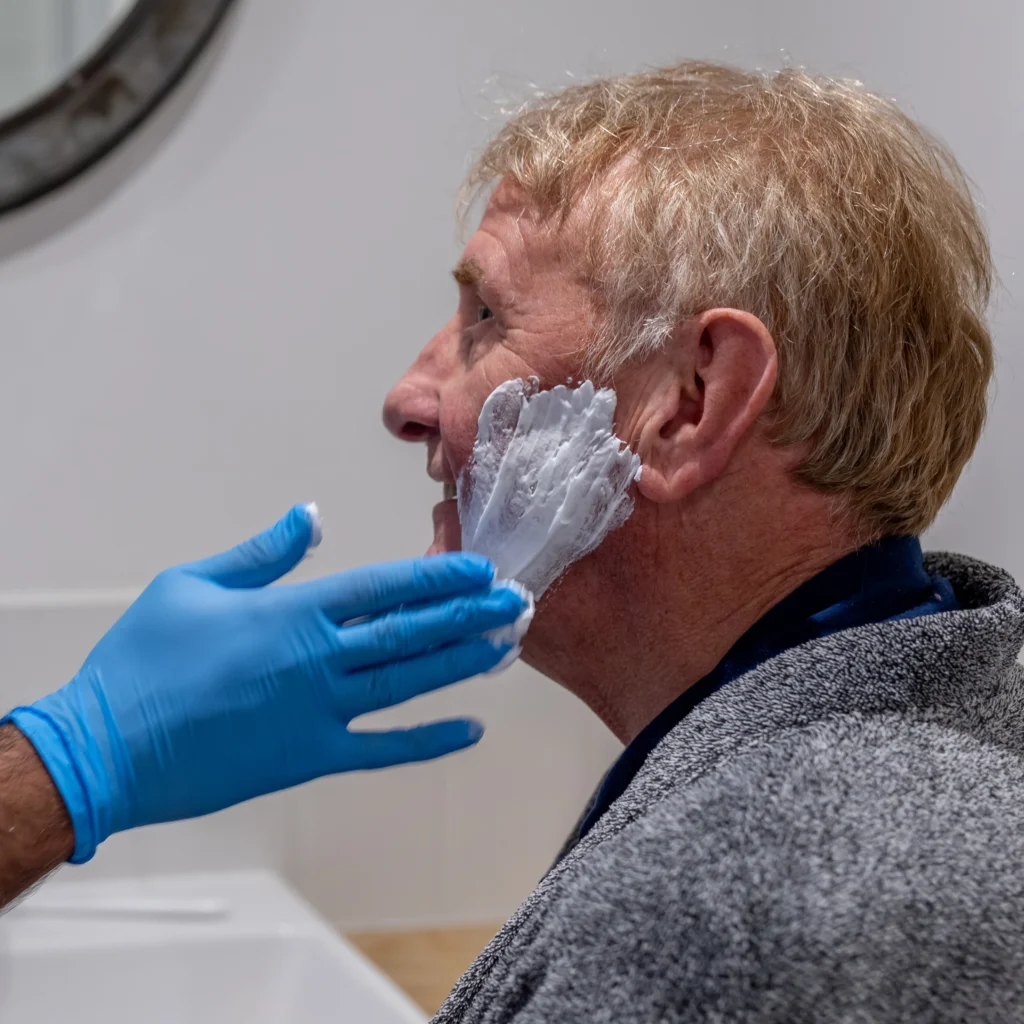
While hygiene is important, using cosmetic cleansers and soaps can irritate older skin, causing itching and dryness. Soaps, bubble bath and shower gels strip the skin of its natural oils, so soap substitutes should be used. These can be purchased over the counter or got on prescription.
Preventing skin tears
Skin tears can happen because of the delicate nature of elderly skin. It’s important to speak to a doctor or specialist dermatologist to assess what’s causing damage to your skin. If the person’s mobility is restricted, they are also at risk of pressure injuries. If the body’s weight is always putting pressure on the same area of skin it can become damaged, says the NHS.
What causes skin tears
Skin fragility means that older people’s skin is especially susceptible to tearing. These can result from accidents, falls, dehydration, or natural ageing.
Protecting fragile skin day to day
It’s important to check that the person keeps hydrated as this can affect skin’s fragility, as well as using the correct creams and emollients for their condition.
Spotting and preventing skin infections
There are many skin infections that older people can be susceptible to, such as bacterial or wound infections, fungal or viral infections. Thes include necrotising fasciitis, pressure ulcers, herpes and warts, or scabies.
Signs of infection to watch for
Some of the signs and symptoms that might present obviously in younger people may be harder to spot in older people. This includes poor blood circulation which may prevent obvious redness and swelling, for example, or a severe infection with lack of fever. Delirium as a symptom may also be dismissed as confusion or dementia signs.
Keeping skin clean and healthy
Keeping skin clean and healthy is important at any age, but especially in older people. Bacteria can enter the skin and cause serious threats to health, through cuts and scrapes, surgical sites, or insect bites. Because ageing can weaken the immune system and make it harder to fight infections, it’s important that they are avoided in every way possible.
When to seek medical advice
If your skin is obviously deteriorating, perhaps because a wound is smelling, or there’s an increase in pus, it should be examined by a healthcare professional. Any changes in an older person’s physical or emotional condition should alert caregivers to seek additional support, and serious changes should generate emergency help. Symptoms may not present obviously, it may not be as obvious in someone younger or may be mistaken for medication side-effects or general cognitive decline, but even then, it should still be investigated. Even slights changes can escalate quickly, and cause an older person to deteriorate rapidly, so shouldn’t be ignored.
How Helping Hands carers support healthy skin
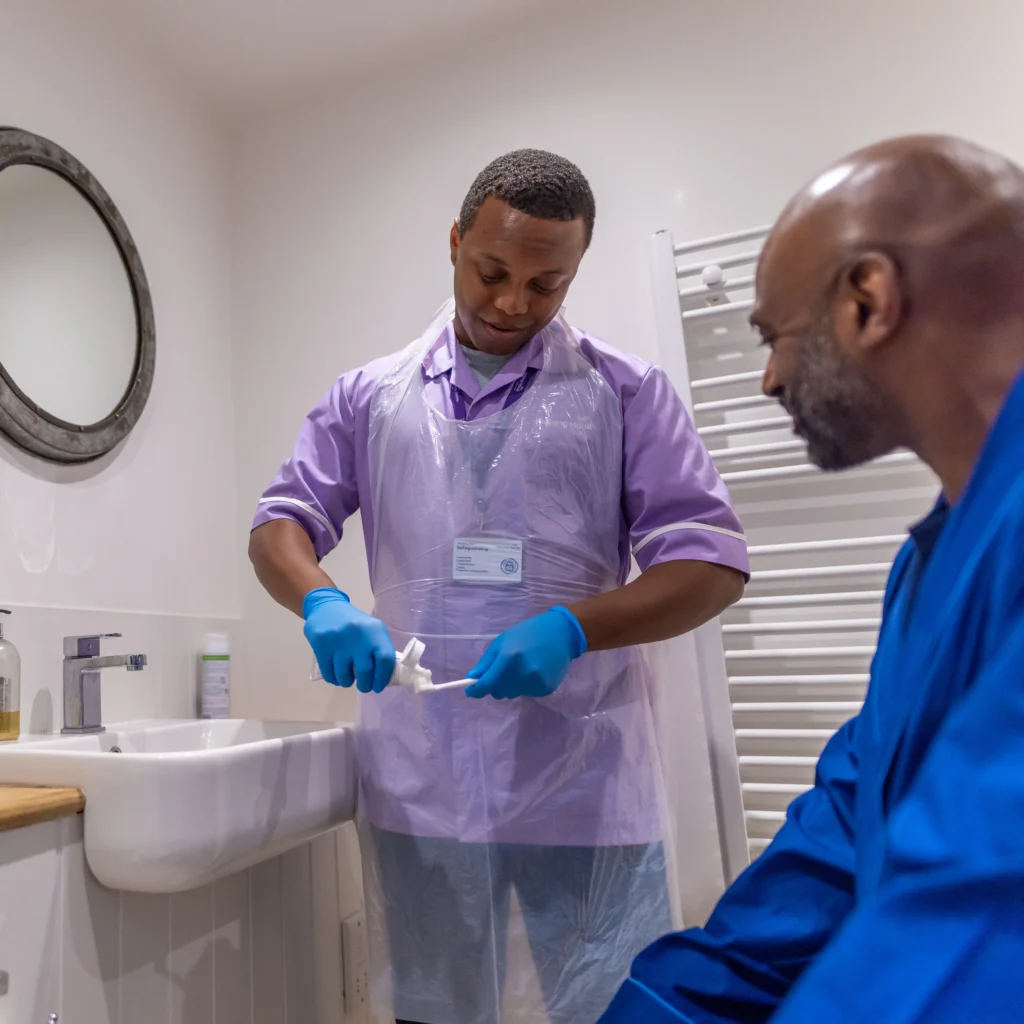
Because our carers are highly trained in helping to prevent infection, we are trusted by so many older people to keep their skin as healthy as possible. They understand what it takes to keep skin in the best condition, such as washing their hands to prevent cross contamination, wound care, avoiding unsanitary practices, and the correct use of PPE (Personal Protective Equipment). All of these practices can help to keep skin healthy, and they’ll also support your nutrition and hydration to ensure your skin – and your complete physical wellbeing – is always the highest priority. They’ll also be on hand, on either a visiting or live-in care basis, to watch out for changes in your skin’s condition and alert your wider healthcare team if things don’t look right. And because all of our 155 branches across England and Wales are fully regulated by the Care Quality Commission and the Care Inspectorate Wales, it’s no surprise we’re considered one of the UK’s most trusted home care companies.
Page reviewed by Rebecca Bennett, Regional Clinical Lead, on September 21st 2026.
How we wrote this page
This page has been produced referencing key insights and data from external experts, trusted medical sources and our team of in-house specialists. We have worked hard to ensure that all information is as accurate as possible and reflects current consensus at the time of writing and reviewing.