How companionship reduces loneliness at Christmas

Understanding why loneliness increases for seniors during the holidays
Loneliness can often feel heavier for elderly people during the holidays due to changes in routine, loss of loved ones, and less social interaction. While the season is all about family, friends, and togetherness, many may be reminded of family members who struggle with loneliness. Alongside this, physical limitations such as mobility challenges can make it harder for some to attend gatherings or join in with activities they once enjoyed. All of this can lead to elderly people feeling isolated at a time when connection feels especially important and compassion is needed most from family and carers. At Helping Hands, we’re incredibly proud of our companionship services, and we’re always thrilled to hear how our customers and carers are becoming the best of friends. Christmas is a time to celebrate, but it’s also a time to look ahead toward the New Year, and how you can introduce positive changes within your life. If you or a loved one are showing signs of needing further support at home, Helping Hands will be there for you to talk through your situation, what services we offer, and how we can bring our expert care to your doorstep in 2026.

Meaningful activities that build connection and joy
Shared traditions
Simple Christmas traditions, such as decorating, baking, or listening to festive music together, help people feel connected and included. Sharing these moments can bring comfort, familiarity, and joy to your loved one during the festive season.
Shared activities
Taking part in activities like crafts, games, or cooking encourages natural conversation and companionship. These shared experiences help strengthen relationships, reduce feelings of loneliness, and create positive memories at Christmas.
Giving and receiving
Activities that involve helping others, such as small acts of kindness or community giving, create a sense of purpose. Sharing these moments with others boosts emotional wellbeing and highlights the joy that comes from companionship.
Signs a senior may need additional companionship or support
The following signs and behaviours to look out for include:

The emotional impact of social isolation at Christmas
Social isolation at Christmas can bring feelings of loneliness, sadness, and exclusion. In fact, chronic loneliness can increase the risk of developing dementia and frailty by 50%. This is a bidirectional link, meaning loneliness can increase the risk of developing frailty, and frailty can increase the risk of loneliness. Christmas is all about togetherness and family, and celebrating this can sometimes highlight the abscene of this in some. The mental health charity Mind states that if you have a mental health or physical health problem, you might feel like you can’t join in with Christmas celebrations. Our carers recognise how difficult it can be to experience loneliness over this time of year, so we’ll do our very best to make things a little easier for you by accompanying you to family homes, supporting you to participate in festive games, or simply being a friend when you need one most. The festive period can often revive past losses which can be difficult for mental wellbeing at this time of year. Our carers are some of the most compassionate and kind people around, so we know that they’ll do all they can to ease any challenges over Christmas and make happy memories, while offering you expert nursing care at the same time.

How families can help loved ones feel included during Christmas
Include them in traditions
Invite loved ones to participate in decorating, baking, or choosing music, adapting activities to their comfort and abilities so they feel involved and valued.
Respect their needs
Be mindful of routines, energy levels, and emotions. Creating a calm, supportive environment helps loved ones feel comfortable and cared for during Christmas.
Create moments of connection
Share meals, conversations, and simple activities, or arrange calls with family and friends to encourage togetherness and reduce feelings of isolation.
How companionship supports mental and emotional well-being
Our companionship care is there for you when you need it most in the home you love, ensuring that you never face loneliness with a compassionate carer by your side. We’re dedicated to not only providing expert care, but making sure our support leaves a lasting and positive impression on the lives of you and your family. While your carer will be there to take care of all the tasks you need support with, like household chores, medication adminsteration, or daily exercises, they’ll also be there to be a trusted companion at your side, whenever you need them. They’ll encourage you to engage in activities and conversations, get to know any new family members or friends, and support you to express your appreciation and gratitude towards them. Don’t forget, we can also offer dementia and condition-led care, so your Christmas celebrations won’t be restricted by your unique situation and can enjoyed to the full!
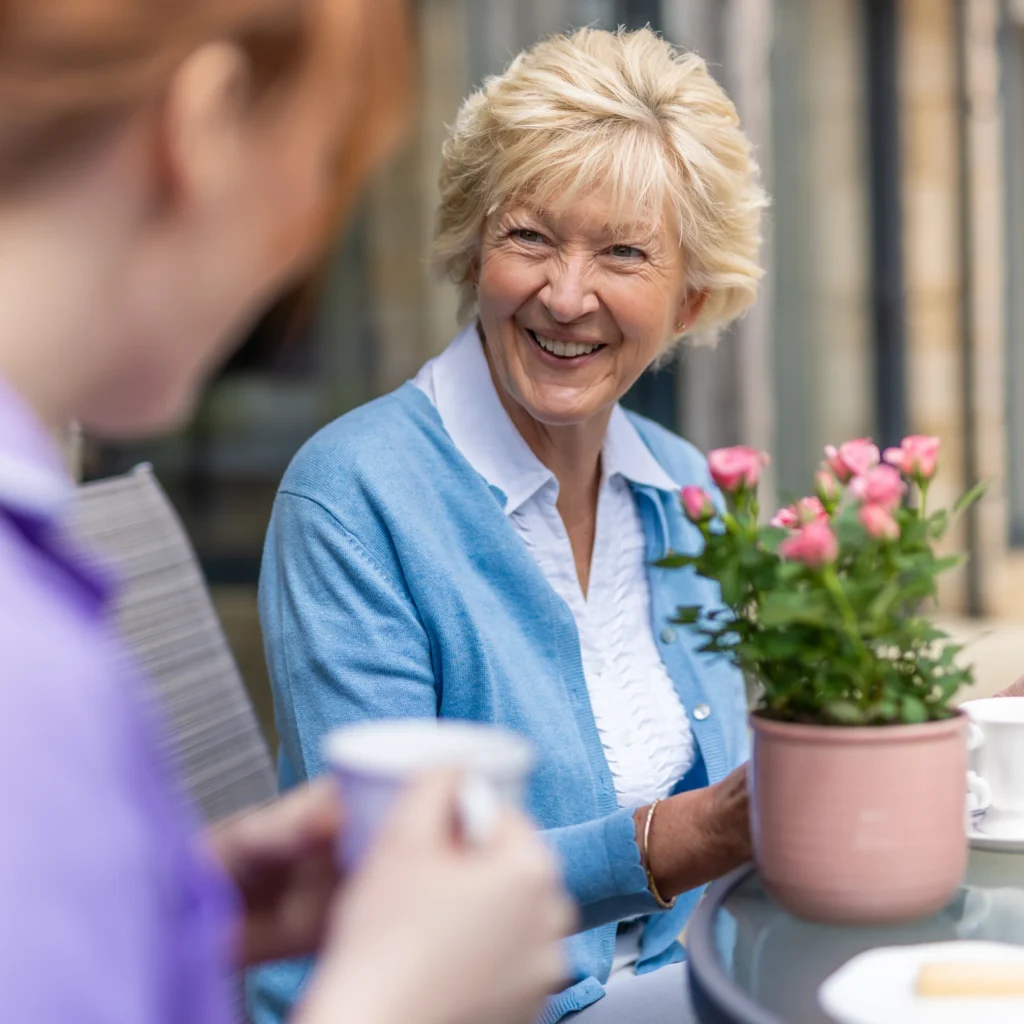
Companionship care with Helping Hands
At Helping Hands, we pride ourselves on our ability to be adaptable to your needs. We can offer companionship care on a live-in, visiting or respite basis.

Visiting care
Live-in care
A fully regulated home care provider
Here at Helping Hands, our service is regulated by the Care Quality Commission (CQC) and the Care Inspectorate Wales (CIW)
This means we need to consistently meet high standards and are monitored by our regulators.