


How to Apply for a Blue Badge for an Elderly Parent

What is a Blue Badge?
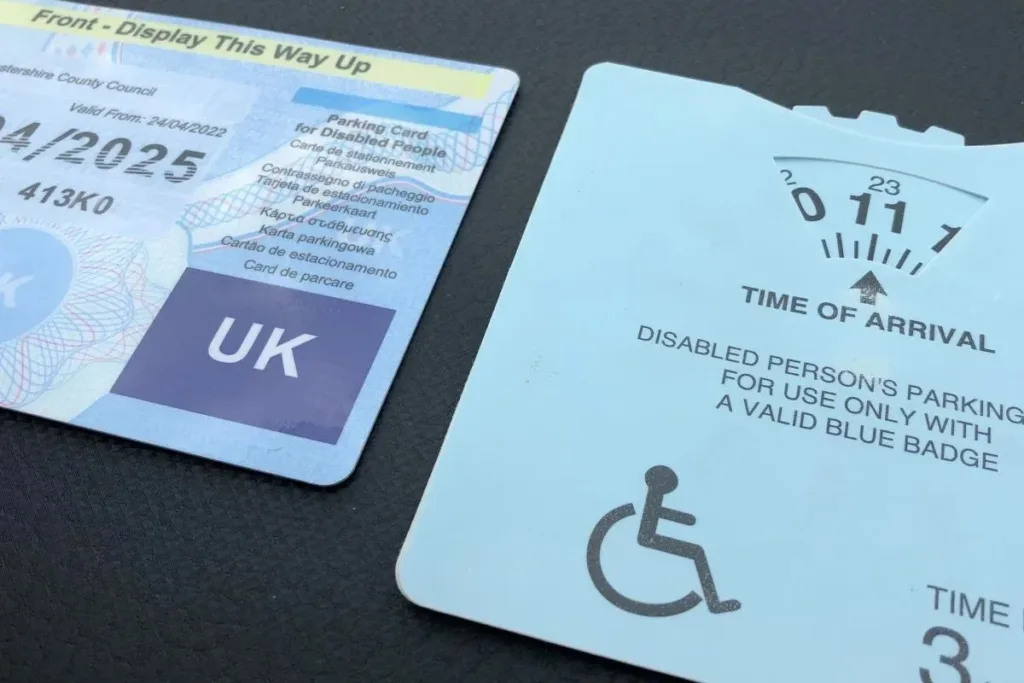
A Blue Badge is displayed in your vehicle, or the vehicle of the person driving you. It is a two-part pass, one with an expiry date on the front, and photograph of the holder on the back. The other part has a ‘clock’ device that is used when time limits are in place. According to gov.uk, “Blue Badges help people with disabilities or health conditions park closer to their destination.”
What can a Blue Badge be used for?
A blue badge is designed to make mobilising easier for people with health conditions or disabilities. By allowing parking in designated locations, usually closer to high streets or places such as clinics, it means that the person doesn’t have so much distance to cover to undertake essential errands and appointments. This is also helpful for the person who may be transporting them, if they need to be taken in a wheelchair, for example. According to Citizens Advice, Blue Badges can be used to park “on streets with parking meters or pay-and-display machines for as long as you need to, in disabled parking bays on streets for as long as you need to, unless a sign says there is a time limit,” and “on single or double yellow lines for up to 3 hours unless there’s a ‘no loading’ sign.”
Who is eligible for a Blue Badge?
You apply for a Blue Badge through your local council, and they will decide if you are eligible. You can apply for a badge for yourself or for someone else, or for an organisation that transports people. There are many conditions that the council will consider as eligible for a Blue Badge, including those that are automatically eligible.
Automatic eligibility for a Blue Badge
If you receive the higher rate of the mobility component of the Disability Living Allowance (DLA), a Personal Independence Payment (PIP) because you can’t walk more than 50 metres, or you are registered blind, you will automatically qualify. There are also other conditions that are eligible, so you should check before applying.
Eligibility with further assessment
Conditions include not being able to walk at all, not being able to walk without help from someone else or using mobility aids, finding walking very difficult due to pain, breathlessness or duration, a life-limiting illness affecting mobility, having a disability that enable you to drive but not operate pay and display parking machines.
Hidden conditions, including dementia
Mental health conditions such as being anxious or fearful of public or open spaces, being a significant risk to yourself/others near vehicles, finding it difficult to control your actions or lacking awareness of how it affects others, and struggling to plan or follow a journey. These symptoms could also manifest due to conditions such as dementia.
How to apply for a Blue Badge for your parent
You should ensure that you are aware of all of their circumstances and eligibility before you begin, as applying for a badge when they are not entitled to one means wasted time for you, them, and the issuing organisation. If in doubt, contact their local authority before you begin.
Before you start
Before you begin the application you will need all of their details, such as name, address, phone number and national insurance number. They will also need documents that prove their identity, a good quality head and shoulders photo, proof of benefits, and medical conditions. This includes medications taken, and treatment received.
Applying through GOV.UK
The easiest way to apply for a Blue Badge or renew one is probably through the gov.uk website. They usually last up to 3 years and will need to be reapplied for before the current one expires. You will need digital copies or scans of all your relevant documents, as well as a recent digital photograph showing head and shoulders.
Applying for someone else
Applying for a Blue Badge for someone else is straightforward and may be necessary if the person is not able to complete the application themselves. It’s important to remember that they are still the applicant even if you are completing the application for them, and it should be done in their name with their evidence.
How long it takes and what it costs
It will take your local authority up to 12 weeks to decide if you are eligible for a Blue Badge. There is also a cost involved in applying, namely up to £10 in England and £20 in Scotland. However, it’s free in Wales. Filling the application in fully and correctly will ensure the process happens as quickly as possible, as well as sending in all of the requested evidence. If you or the person you’re applying for cannot upload the required evidence digitally you should contact the local council and arrange to supply it in person. They will advise you of your options.

What to do if the application is refused
Having a Blue Badge application refused is understandably frustrating and disappointing, but it doesn’t mean you can’t apply again. Perhaps you didn’t supply all the necessary evidence, or you didn’t explain fully how your particular condition affects your daily life. Giving as much detail as possible about why you need a badge and the difference it would make to your independence is crucial. If you’re refused, your local authority should tell you why you’re not eligible for a Blue Badge. You can ask them to reconsider, especially if you think they haven’t taken into account all the detail you supplied. You should also apply again if your condition changes. As gov.uk explains, “You can also reapply if your mobility problems become more serious.”

Renewing a Blue Badge
Blue Badges usually last for up to three years. You can apply or renew a Blue Badge via gov.uk or through your local authority’s own website. You will need the same evidence as you supplied when you first applied, such as personal details, proof of identity, disabilities, medications, and benefits, and will need to let them know if any of your details have changed. You may not need to supply a new photo if your appearance hasn’t significantly changed, but if your conditions has improved or deteriorated, they will need to be notified. If you live in England or Scotland, you may be subject to a fee for renewing, just as when you apply.

Using a Blue Badge correctly
If you are awarded a Blue Badge, it should be considered a benefit rather than a right and used accordingly. There are rules associated with Blue Badge use which, if not adhered to, may see it being revoked and a fine imposed of up to £1000. Misusing your badge on purpose, such as giving it to someone else to use or keeping it when it’s no longer needed, could be subject to penalty. It’s important to let the people who are driving you know the rules as well, otherwise they may inadvertently break them causing your badge to be withdrawn. It’s also important to remember that you’re not exempt from other charges just because you hold a Blue Badge. For instance, “you can still get a parking fine when you’re using your badge” says Citizens Advice.

Making the most of a Blue Badge with support from Helping Hands
If you’ve been awarded a Blue Badge but you are no longer able to drive yourself, your Helping Hands carer can often take you where you need to go. This means you still receive the benefits of having a badge and are able to remain as independent as possible. Having care at home is beneficial on both a practical and emotional level, as your carer will undertake all of the household tasks you’re finding difficult, such as cleaning, laundry, meal preparation, and personal care. They’ll also be there when you just want a cuppa and a chat with someone though, meaning you’re at less risk of loneliness. And because all of our 155 local branches’ visiting and live-in care services are fully regulated by the Care Quality Commission and Care Inspectorate Wales, you’ll know you’re in the very best hands.

Frequently Asked Questions
No, you can’t use your parent’s Blue Badge when they are not with you. The badge is issued to the individual, not the vehicle they’re being driven in, so if they are not with you it should not be used.
No, your parent doesn’t need to drive to get a Blue Badge. Many older people struggle with health conditions after they’ve stopped driving themselves or may never have driven. As the badge belongs to the named individual rather than the vehicle, they don’t have to be the one driving, they just have to be present for the journey.
Yes, absolutely. There are several health conditions listed on the government’s can I apply for a blue badge page that may be present for people living with dementia. Another person should complete the application on their behalf if they are not able to do it themselves.
A Blue Badge application shouldn’t take long to complete, and if you save your progress, you should be able to return to it later. Once submitted it can take up to 12 weeks to receive a decision from your local authority.
A Blue Badge usually lasts for up to three years and doesn’t automatically renew, so a replacement should be applied for in good time, allowing up to 12 weeks. If circumstances change before the badge expires, such as the person passing away, the local council should be notified and the badge returned.