


International Stress Awareness Week 2026
What is International Stress Awareness Week?
Founded by ISMA UK, the International Stress Management Association charity, International Stress Awareness Week “is a major annual campaign created and led by ISMA UK to increase public awareness of stress, its impact, and the importance of mental health and wellbeing.”
Stress in the workplace and in wider society can affect every aspect of a person’s wellbeing, and recognising this is the first step in raising awareness of how we can look after our mental health. Helping Hands carers don’t just support with physical tasks, they’re there to provide companionship and a supportive ear when you just feel like chatting over a cuppa.
Who runs it and when it takes place
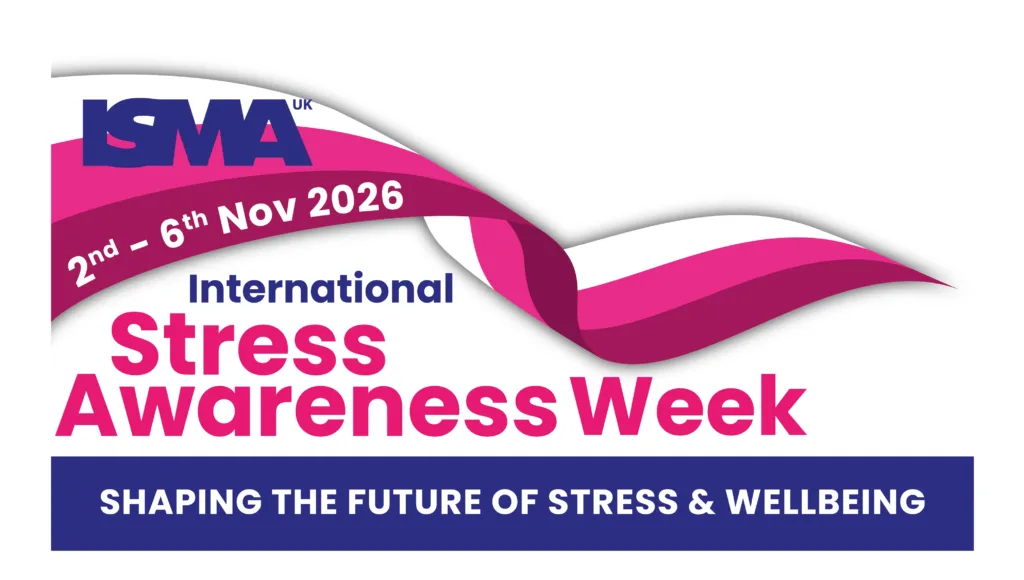
International Stress Awareness Week takes place from 2nd – 6th November 2026, and is run by ISMA UK, the International Stress Management Association. ISMA UK is the “lead professional body for workplace and personal Stress Management, Well-being and Performance.” They campaign to raise awareness and “promote sound knowledge and best practice, nationally and internationally.”
Why caring for a loved one can be stressful
Caring for a loved one can be stressful because of trying to juggle every aspect of your life at the same time. You may be taking care of a partner, or perhaps have a family of your own, a full-time job, and hobbies. This can mean you don’t know where to turn for support.
Juggling care with work and family life
Juggling care with work and family life can mean you’re being pulled in multiple directions at once while everyone demands attention. Your boss may not understand your family commitments and your loved ones may not be supportive of having to catch up with work during family time. This can leave you feeling burnt out.
Worry about a loved one’s health and safety
Worrying about a loved one’s health and safety while you’re not with them is a very real stress. Being concerned that they’re at risk of falling, they’re living with dementia and potentially leaving the house without being accompanied, or whether they’re eating properly can feel overwhelming at times, causing worry and guilt.
Stress in older people: signs to look out for
If you have a loved one who is the sole carer for a partner, it can lead to a stressful home life as they balance caring duties with the natural consequences of ageing. This can lead to them having disrupted sleep, shortness of mood, or being at risk of depression and a general decline in their mental health.
Changes in sleep, appetite or mood
If you notice that a loved one is displaying signs of fatigue, a change in their mood, or they’re not eating properly it could be because their mental health is being affected by caring responsibilities, or because of existing mental health difficulties, such as depression and anxiety. Talking to them may just be what they need to feel better.
Withdrawing from friends and activities
We all change our interests from time to time or don’t feel as sociable as we usually do, but if an older loved one shows no interest in hobbies they always enjoyed, it should be investigated. It could be that they’ve fallen out with someone else who attends or they’re finding it difficult due to pain, but either way it can affect mental health.
Five ways to ease stress this Stress Awareness Week
Looking after our mental health is essential to our daily wellbeing, however it often gets overlooked due to busy lives and caring responsibilities. Taking small steps can often make the difference and help us to balance all areas of our lives.
Take a short break every day
Taking a short break is essential, whether you’re caring for others or not. If you work in a stressful environment or in front of screens for instance, giving the brain a break will make a big difference to mental wellbeing. If you can get out into nature for a few minutes and breath some fresh air, even better.
Share the load with family
No-one should have to manage stress alone. Not having anyone to talk to can mean focussing entirely on negative thoughts and the consequences that can bring. Chatting to family and friends about how you’re feeling may lead to a sympathetic ear, or if you can’t, you could ask for general support.
Talk to other caregivers
Talking to other carers when you have caring responsibilities can be a valuable outlet for mental health. No-one will understand how you’re feeling better than other people in the same position, and they can become trusted confidantes and sources of support. Look for carers’ groups locally.
Look after your own health
Recognising when we need support with our mental health isn’t easy. Carers are amazing people but they’re not super-human; they still need time away from caring responsibilities and a break from the routine. Asking for help when needed is a strong skill and one to use whenever you think you’re struggling.
Plan ahead for when you need a longer break
Planning ahead is key for carers when they need to take a break. It’s one thing to be able to book time off work and know that everything is covered, but what about if you’re also caring for a loved one? You won’t want to leave them without support. Planning ahead is the most important thing you can do to reduce stress when you’re caring for someone.
If you don’t have other family members who can step in, respite care is a service that means your loved one will continue to be supported while you’re taking a well-earned break. Helping Hands have been delivering high-quality respite care on both a visiting and live-in care basis since 1989, so you can relax while you’re away knowing they’re in the very best hands.

When stress becomes something more
Carers are so focussed on the wellbeing of others that they may not even recognise when they’re struggling with their mental health. They may be used to juggling stress and worry to such an extent that it’s normalised in their mind. Carer depression is an issue that shouldn’t be ignored or minimised though as it could grow to affect every aspect of daily life. Mind, the Mental Health Charity, says that carers “may feel as though your health doesn’t take priority, or you don’t have time to get the help you need.” Carers should seek help if they’re struggling, either via their GP, carer support groups or helplines such as the Samaritans on 116 123 or by calling 999 or going to A&E if it’s a mental health crisis.

Reducing stress with support from Helping Hands
The best ways for carers to reduce stress on themselves is to organise some additional support for their loved one. This can be delivered by Helping Hands on a temporary respite basis, or as a longer-term, ongoing plan of care. Our carers will work seamlessly into your loved one’s routine, working alongside family members or independently. Allowing yourself to have some quality time away from your caregiving responsibilities will mean you return rested and reenergised. Feeling that you’ve had an opportunity to reconnect with the person you are outside of being a carer will also benefit your mental wellbeing. We have 155 branches across England and Wales, managed by local care teams, and all fully regulated by the Care Quality Commission and Care Inspectorate Wales.
Frequently Asked Questions
If a carer is feeling stressed then they should try and ask for help, either from family members, friends, or medical professionals. Telling family how they’re becoming overwhelmed may mean other people step up to offer support, or if that’s not possible, talk to Helping Hands about additional care at home.
Signs of carer burnout can include feeling “hopeless, irritable, anxious, worried or tearful, unable to cope with every-day things that you would not have thought twice about in the past, losing your appetite, losing weight or having trouble sleeping” according to Carers UK. It can be hard to ask for help, but doing so can make all the difference to your emotional wellbeing.
Yes, stress can certainly make health conditions worse in older people. Stress can manifest at any age and for any reason, but for older people who may be dealing with chronic health illnesses or pain for instance, it can be worse. Stress at an older age can also be caused by grief at the loss of a partner, friends moving away, perceived loss of independence, financial worries, loneliness, or caregiving responsibilities.
“When you are a carer, it’s normal to experience a range of emotions, guilt being one of them” say Dementia UK. There are various reasons why guilt is common in unpaid caregivers especially, including not feeling like you’re doing enough, worry that you’re neglecting other areas of your life, caregiver burnout, frustration or feeling you’re missing out on life, or wanting to take a break. Care at home from Helping Hands can help ease carer guilt by ensuring your loved one is fully supported while you’re recharging.
Studies have shown that stress can negatively impact cognitive functions in older adults, including memory. While memory lapses don’t automatically indicate dementia, if you’re losing your thread mid-conversation, forgetting appointments, or struggling with information, it could be down to low mood or chronic stress. According to Flint Healthcare, “When you are anxious, stressed or low, your mind is preoccupied and your stress hormones are raised, so information never gets properly taken in or filed.” This means you probably didn’t take the information in properly in the first place as your focus was elsewhere.