Macmillan Coffee Morning 2026: Everything You Need to Know

What is Macmillan Coffee Morning?
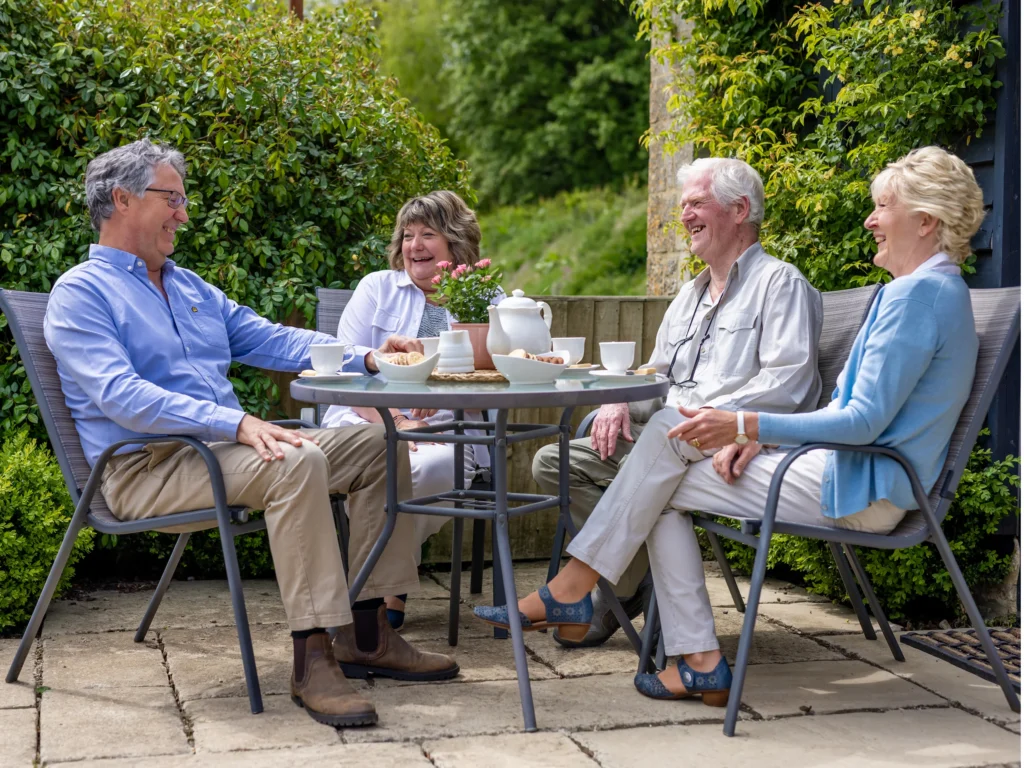
Macmillan Coffee Morning is a fun, fundraising endeavour to raise vital money for Macmillan Cancer Support. Around 3.5 million people in the UK are living with cancer, and Macmillan offers support from the moment they’re diagnosed, and beyond. People can decide to put on coffee mornings on a large or small basis, with hundreds of attendees or only a few. Cakes are donated and can be made or bought, as long as they’re yummy! It’s also a great social activity and encourages people to come together as a community.

When is Macmillan Coffee Morning 2026?
While this year’s Coffee Morning Day is Friday 25 September 2026, you don’t have to host your gathering on the same date. If it works better to do it another time you can still host one and send in the proceeds to Macmillan after it’s taken place. Whether you host in the community or host at home, it will raise vital funds.

The story behind the event
Macmillan’s first Coffee Morning happened in 1990, and since then it has grown to encompass most of the UK, and even overseas. While the original coffee morning was a small affair, guests really enjoyed it, so Macmillan decided to do it again the following year, but this time nationwide. Now people host coffee mornings in many different settings; schools, workplaces, care homes, and at home. They all raise vital funds for people in the UK living with cancer.

How to host your own coffee morning
It’s so easy to host your own Macmillan Coffee Morning, all you need are some refreshments and some guests. Some people bake extensively for the event whereas others purchase cakes instead, but that doesn’t matter. What’s more important is that people enjoy the baked goods on offer and make a donation.
Signing up
Signing up to host a coffee morning is simple. Visit Macmillan’s sign up page and put in your details, and Macmillan will send you a free fundraising kit, comprising of posters, stickers, bunting, and much more.
Choosing a date
Your coffee morning can be on a date to suit you. While aligning with Macmillan on September 25th means you’ll maximise your publicity, due to the national coverage, the choice for date, time and place is yours.
Inviting your guests
You’ll know who you want to invite to attend your event and giving them plenty of notice is really important. This is where posters come in handy because you can put one up in good time, in communal areas or your window at home.
Baking ideas
Macmillan have plenty of ideas for recipes, regardless of your dietary requirements. Vegan, gluten-free, Macmillan have it covered. Check out vegan peanut butter and banana cupcakes or Gluten free blood orange polenta cake.
Coffee morning ideas and themes
While your choice of theme will be your decision, there are many different things you could consider. Some people go with a colour theme, maybe green to match the Macmillan fundraising kit. Perhaps you could make vegetable-themed, healthier cupcakes? Or if you’ve got an important community events coming up you could theme it around that. If you’re hosting for a particular group of people, perhaps the healthcare professionals who supported you through your cancer journey, you could theme it around the difference they made to your everyday life. You could ask friends and family to come up with theme ideas too.

How to take part without hosting
If you would like to attend a coffee morning without hosting, you could offer your premises while someone else does all of the organising. Alternatively, you could attend a local coffee morning and help raise vital funds. Macmillan have advice and guidance for people on their website, whether you are planning to make cakes, volunteer to help, or attend a local event. As Macmillan say, “Whether you host or attend a Coffee Morning, your support has the power to help transform care.”
Finding a coffee morning near you
Finding a coffee morning near you is as easy as typing your postcode into Macmillan’s Coffee Morning events near you page. It will display events that are happening in your area, showing date and time of the coffee morning and distance from you.
Donating to Macmillan directly
If you are unable to host or attend a coffee morning, perhaps because you have mobility difficulties, or you are going to be away when the coffee mornings are on, you can donate directly to Macmillan here. All donations will support their vital work.
Where your money goes
Your money will go towards helping people who are living with cancer, enabling Macmillan to support them with every aspect of their cancer journey. Almost 3.5 million people in the UK are diagnosed with cancer, and Macmillan offer various support options so that they can live life as fully as possible. Macmillan nurses make a huge difference to people living with cancer, providing essential care on both a physical and emotional level. The Macmillan Support Line also offers a vital link for people struggling with a diagnosis, following a palliative pathway, or just looking for advice. The online community forum also provides a supportive environment for people living with cancer and their loved ones, who are looking to get answers.
Frequently asked questions
Macmillan have thought of every question you may have around hosting or attending a coffee morning. They have a dedicated FAQs section which covers such topics as ‘how do I host a coffee morning?’ and ‘what happens at a Macmillan coffee morning?’ They also have advice about attending as a guest, as well as information about the fundraising kit and how you can get additional materials.
How Helping Hands supports the people you care about
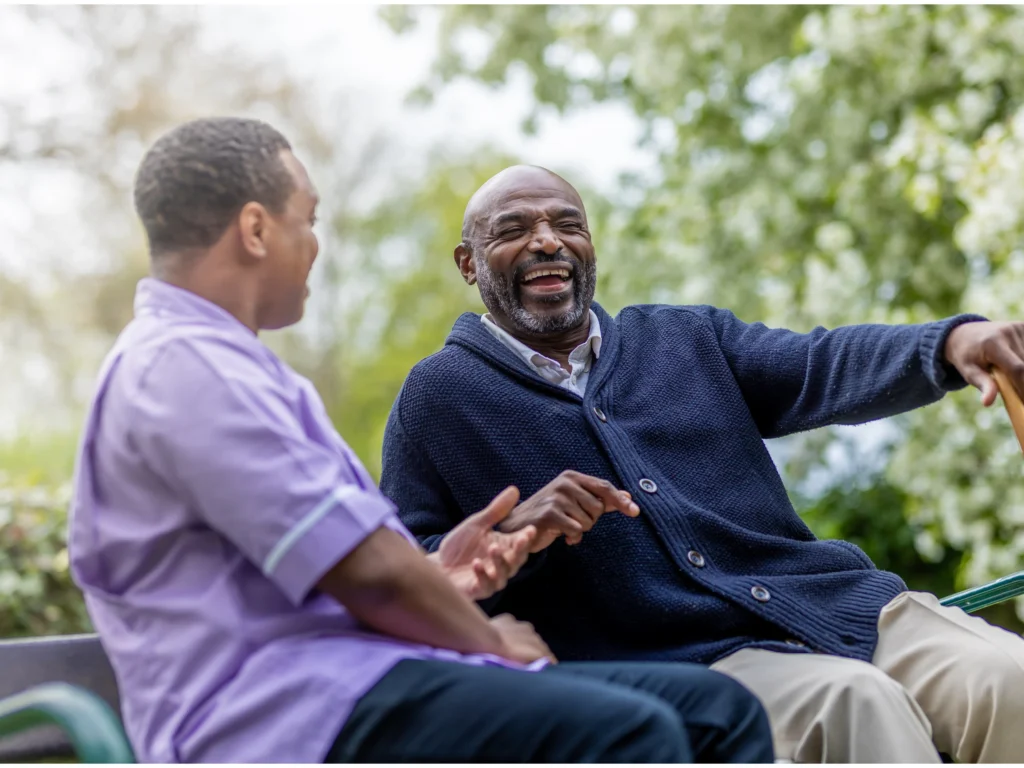
At Helping Hands, we support people living with cancer, as well as many other conditions. We focus on promoting our customers’ independence, while helping them to live as well as possible in the home they love. We provide cancer support on both a visiting and live-in care basis, helping you with practical tasks and providing emotional support. Your carer can also help if you want to attend a Macmillan coffee morning. Our carers help our customers to enjoy life outside of their home; accompanying them to events, activities and appointments that encourage socialisation and help them to feel less isolated.