Mobility care plans

What is a mobility nursing care plan?
A mobility nursing care plan is tailored towards your healthcare with a focus on your mobility and how to improve it.
We can help improve your mobility with a variation of exercise and encouragement.
Our care packages range from live-in care, visiting and elderly care to perfectly suit your needs. Our condition-led care suits the needs of people who may be living with dementia, Parkinson’s, or cancer. We can also help with mobility decline due to these conditions and declining mobility due to old age. We help with your movement, including physiotherapy, rehabilitation, or simply getting up and walking. Our carers are superbly qualified to deal with all sorts, from general housekeeping to assisting with walking aids!
Why are they important?
Mobility and how we move is important for our overall health.
Good mobility allows us to move freely without pain or strain.
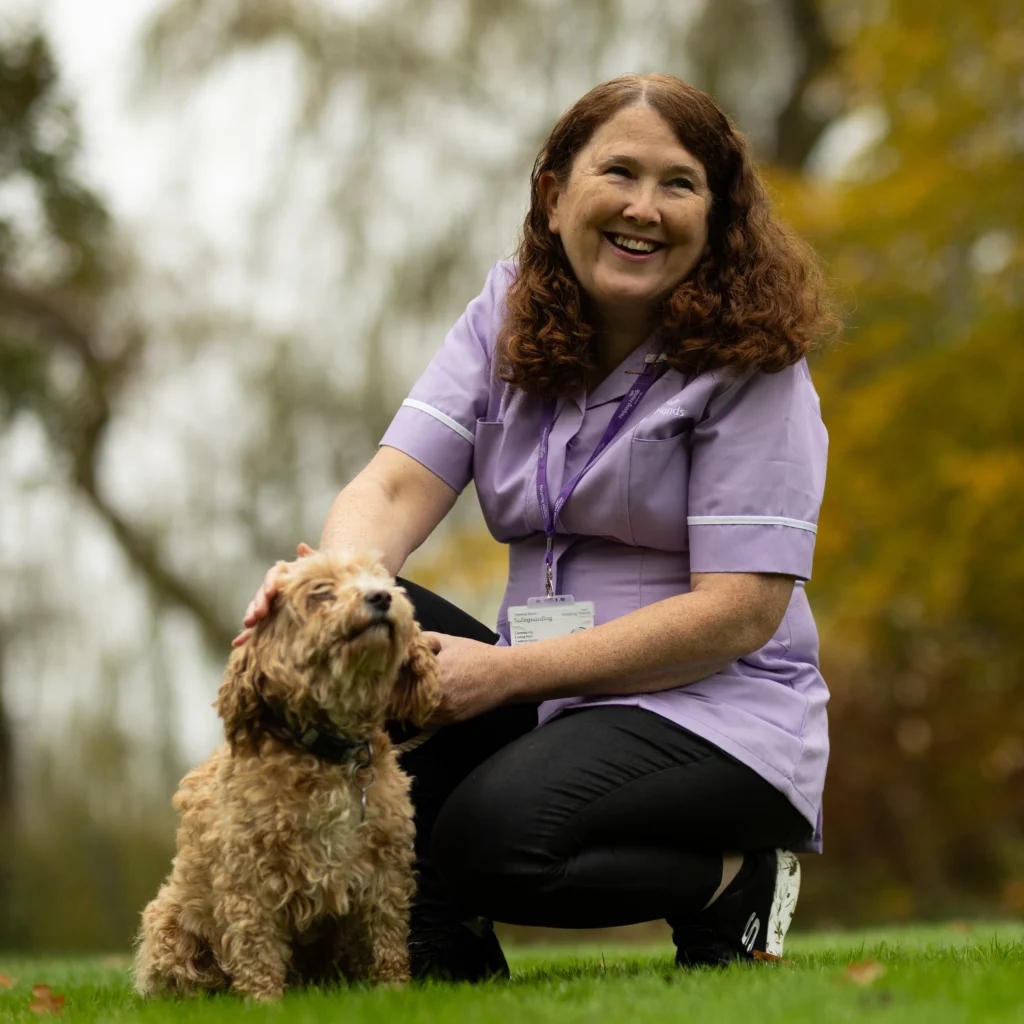
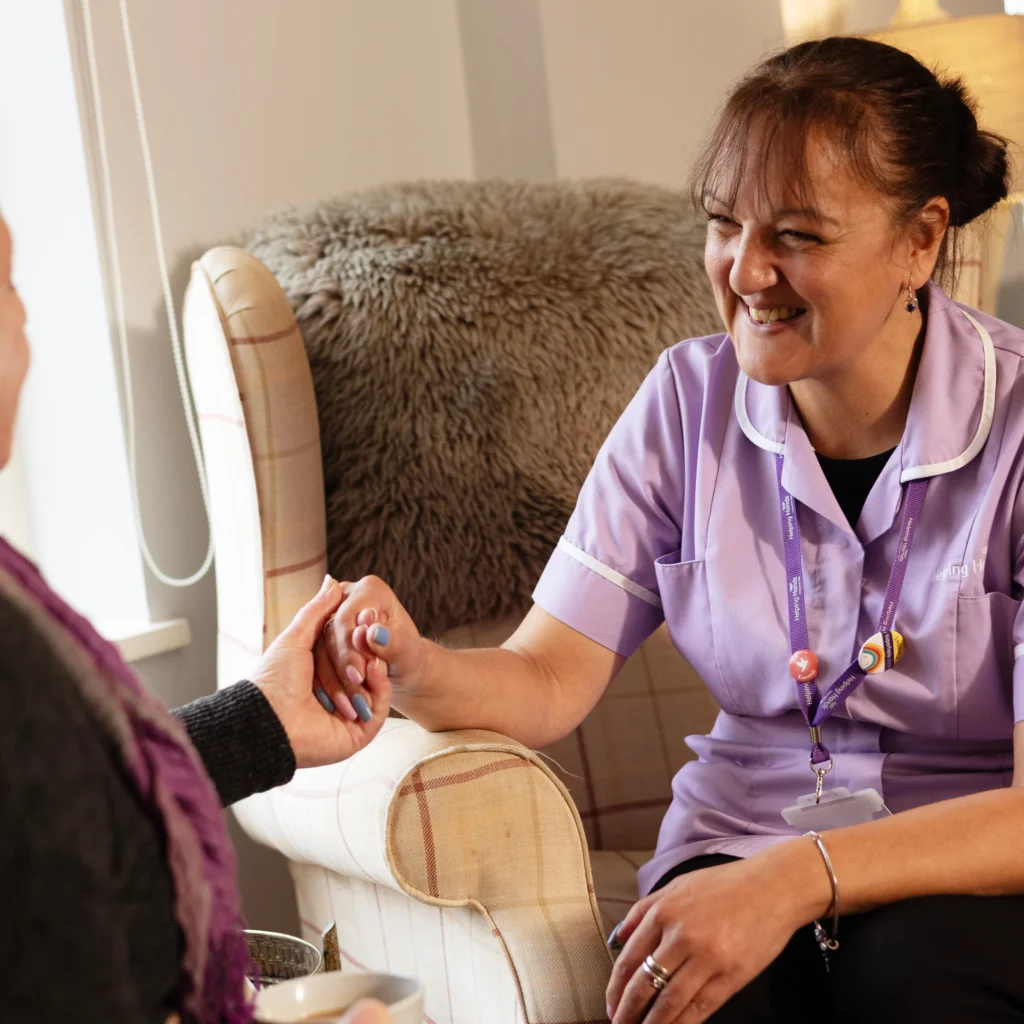
Being active and mobile is important for a good quality of life. However, some people may struggle with mobility due to certain conditions such as Parkinson’s. Our mobility also deteriorates as we age and eventually slows us down. That doesn’t mean that you can’t still have a good quality of life; it may just mean that you need a little bit of help. Helping Hands can help with gaining confidence in your general mobility and lifestyle. Our carers are passionate about care and will get to know you and your needs.
Some of the benefits of good mobility are:
What to include in a nursing care plan for reduced mobility
Here are a few ways in which you can help prevent a decline in mobility.
Stay active
Exercise is crucial for everyone to retain mobility skills and sustain a healthy lifestyle. In the elderly, it can ease arthritis symptoms. Great choices of exercise for the elderly can include walking, swimming, or a good old jig!
Improve balance
Good balance means staying upright and steady. Maintaining good balance is crucial, especially as we start to get older. Improving your balance skills can help with day-to-day activities and prevent falls and injuries.
Regular eye checks
Having good eyesight prevents trips and falls and therefore can help with good mobility. It is important to regularly check in to see your optician for regular check-ups so that we can make sense of our surroundings.
Stay mentally fit
Staying mentally fit can help with mobility and improve your overall well-being and mental health. Physical activity is beneficial for cognitive skills and memory. Staying mentally fit will help prevent further decline.
Use walking assistants
One step at a time, walking assistance can be a great way of helping you improve your mobility if you’re struggling. It can help improve your walking pattern, balance and safety while moving around on your own.
Wear effective shoes
Having comfortable, well-fitted shoes can provide a good base for your feet to carry your weight, so stilettos sadly might not be the best option. Shoes with a good grip may help prevent slips and falls too.
How our carers can help
Here are a few ways in which you can help prevent a decline in mobility.
Visiting care

Live-in care
What are the causes of impaired mobility?
Mobility refers to the ability to move freely without strain or pain.
Mobility care can be for elderly people or people living with a condition.
If there is a slight discomfort or impairment in movement, it is considered a mobility issue. A lack of physical activity or exercise throughout life can make it more likely that we will experience mobility issues as we age. It is generally accepted that we may begin to see differences in our mobility between the ages of 59 and 67 years. Mobility can also be affected by conditions such as cerebral palsy, sclerosis, arthritis, or diabetes. Mobility is an asset that may decline, but we can still help improve it!
What activities should be included in a mobility care plan for the elderly?
Take a look at some activities that can help mobility for the elderly.
Dance/stretch
Stretching and dancing are great (and fun) ways of staying active. Stretching can improve flexibility and therefore increase the range of motion in your joints. Dancing is a great alternative if you’re always in the mood for a good boogie. Increasing your mental health and moving your body is a great way to pass the time.
Swimming
Swimming is a popular way to remain mobile. It is easier on the joints as it’s a weightless activity with little risk of injury. It is also low-impact, stress relieving and improves flexibility. If you have two left feet when it comes to dance, try swimming instead. Why not use it as an excuse for the trip to the beach this summer?
Gentle exercises
Simple, gentle exercise can help improve cardiovascular health and increase physical function. It will also increase your mental health and aid an all-round healthy lifestyle. A simple walk is extremely beneficial to your health. If you struggle to get around nowadays due to mobility, we can provide exercise alternatives which have a gentler approach.
A well-balanced diet
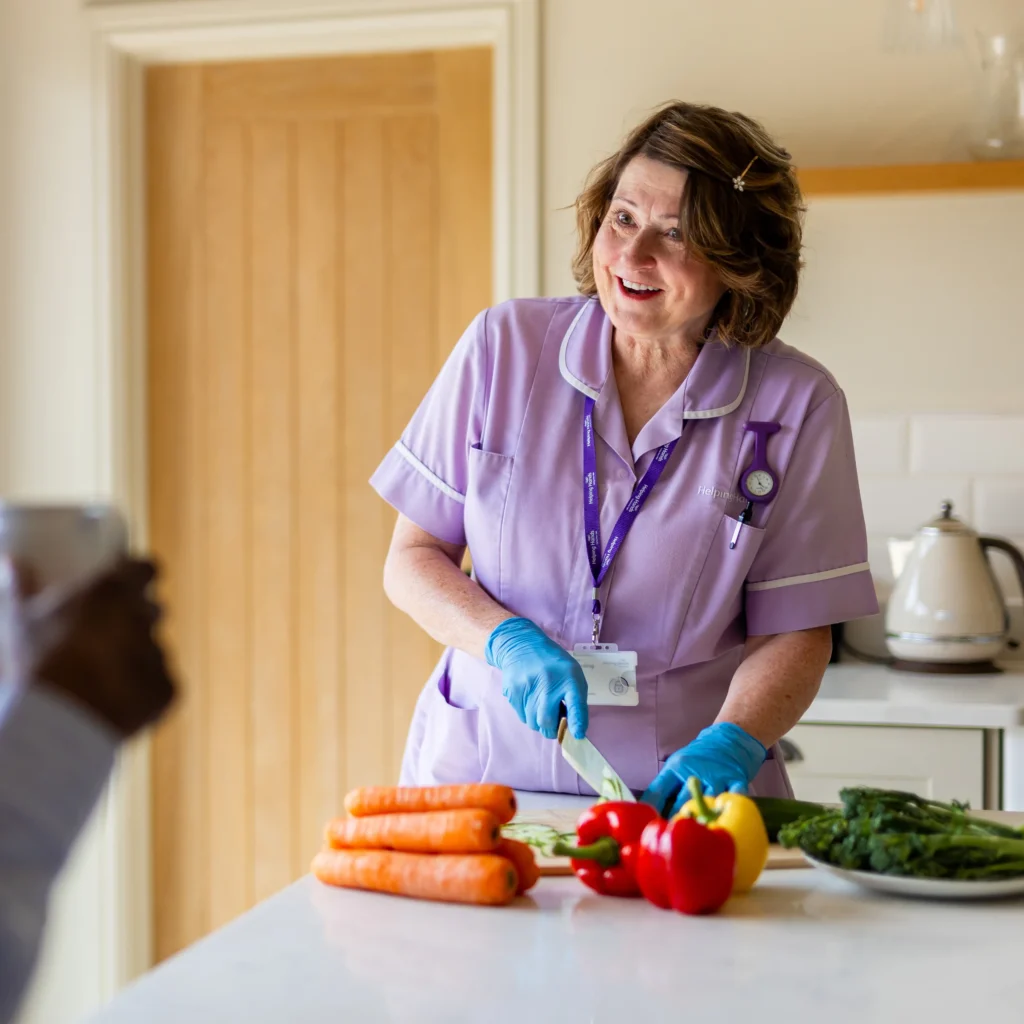
A well-balanced diet is crucial for everyone, no matter the level of mobility or age. Eating healthily not only lowers the risk of developing certain health problems, but it helps you feel more energised and preserves muscle mass. A diet rich in protein but low in calories can help obese people lose weight and maintain muscle.
A fully regulated home care provider
Here at Helping Hands, our service is regulated by the Care Quality Commission (CQC) and the Care Inspectorate Wales (CIW)
This means we need to consistently meet high standards and are monitored by our regulators.