A guide to live-in care after a stroke

About this guide
Recovering from a stroke can bring many changes, both for you and your family.
The right support can make a real difference, helping you or someone close to you feel safe, comfortable, and cared for in the home you love. In this guide, we explore how live-in care can provide compassionate, one-to-one support after a stroke, from everyday tasks and personal care to emotional reassurance and help with maintaining independence. At Helping Hands, we understand that every person’s recovery journey is different, and we’re here to help you explore your care options with confidence, knowing that you don’t have to navigate this journey alone.
Life at home after a stroke
Returning home after a stroke can be a comforting milestone, but adjusting to changes in your everyday routine can take time.
With patience, encouragement and the right support, you can gradually rebuild confidence and maintain your independence at your own pace. Stroke recovery differs for everyone, and emotional support can be as important as physical support. For those who need extra help, our expert live-in care offers personalised assistance, companionship and reassurance in familiar surroundings, helping you to feel safe, valued and supported as you adjust to life after a stroke.

Reducing the risk of a second stroke
Keep up with medication and health checks
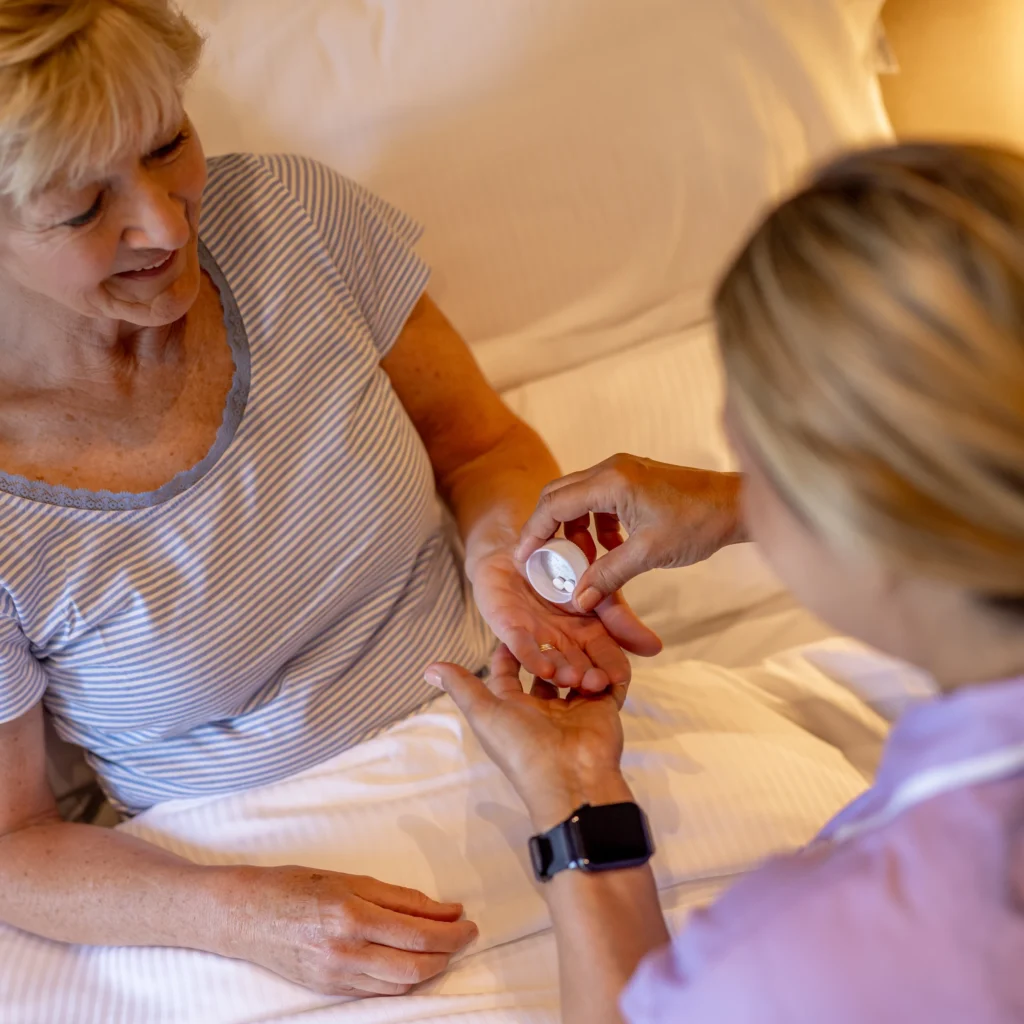
Taking prescribed medication and attending regular GP appointments can play an important role in preventing another stroke. Your healthcare team may recommend treatment to manage blood pressure, cholesterol or other underlying conditions. If you have concerns about medication or side effects, speak to your GP rather than stopping it yourself.
Enjoy a balanced diet and gentle activity
Enjoying nutritious meals, including plenty of fruit and vegetables, and reducing salt can help support heart health. Gentle movement, such as short walks or exercises recommended by a physiotherapist, can also help. Everyone’s abilities are different, so it’s important to find a routine that feels safe and achievable. Read more about reducing stroke risk.
Make healthy habits part of everyday life
Quitting smoking, limiting alcohol and keeping up with regular health checks can all help reduce the risk of another stroke. Family members and live-in carers can offer gentle encouragement, help prepare healthy meals, and support daily routines without rushing or pressuring anyone. Every positive step matters, and support is available through the Stroke Association.
A day in the life with a live-in carer
A live-in carer provides compassionate and personalised support to you at home.
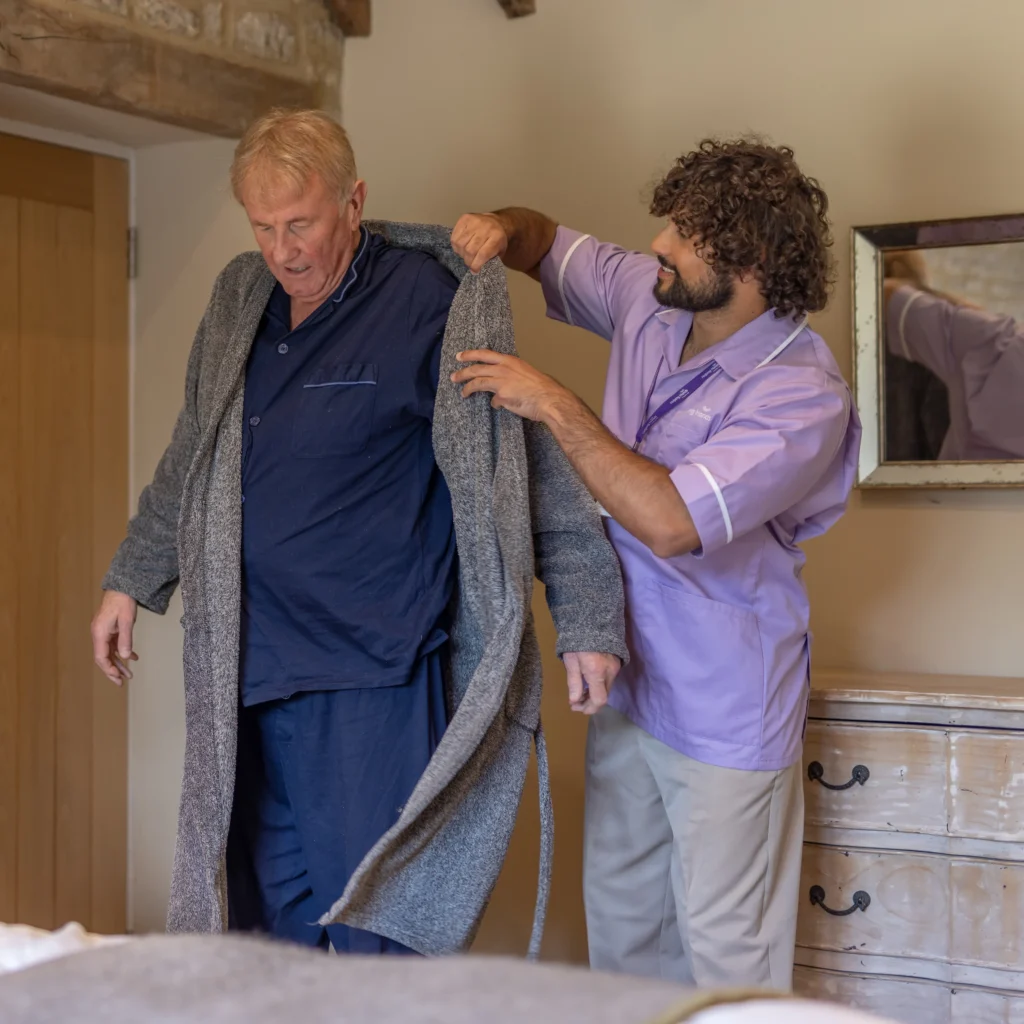
From helping with morning routines, getting dressed and preparing nutritious meals to supporting mobility, medication routines and rehabilitation exercises recommended by healthcare professionals, every day is shaped around your unique needs and preferences. We’re also incredibly proud of our companionship services, where our carers regularly enjoy friendly chats over cups of tea, help you to pursue your favourite hobby or being there while you spend important time with family. As a person’s needs can change throughout their recovery after a stroke, our carers provide flexible support that respects their independence and dignity. With a familiar, reassuring presence throughout the day, live-in care can help make everyday life feel more manageable, while allowing people to remain in the community they love.
Looking after yourself as a family carer
Remember that your wellbeing matters, too
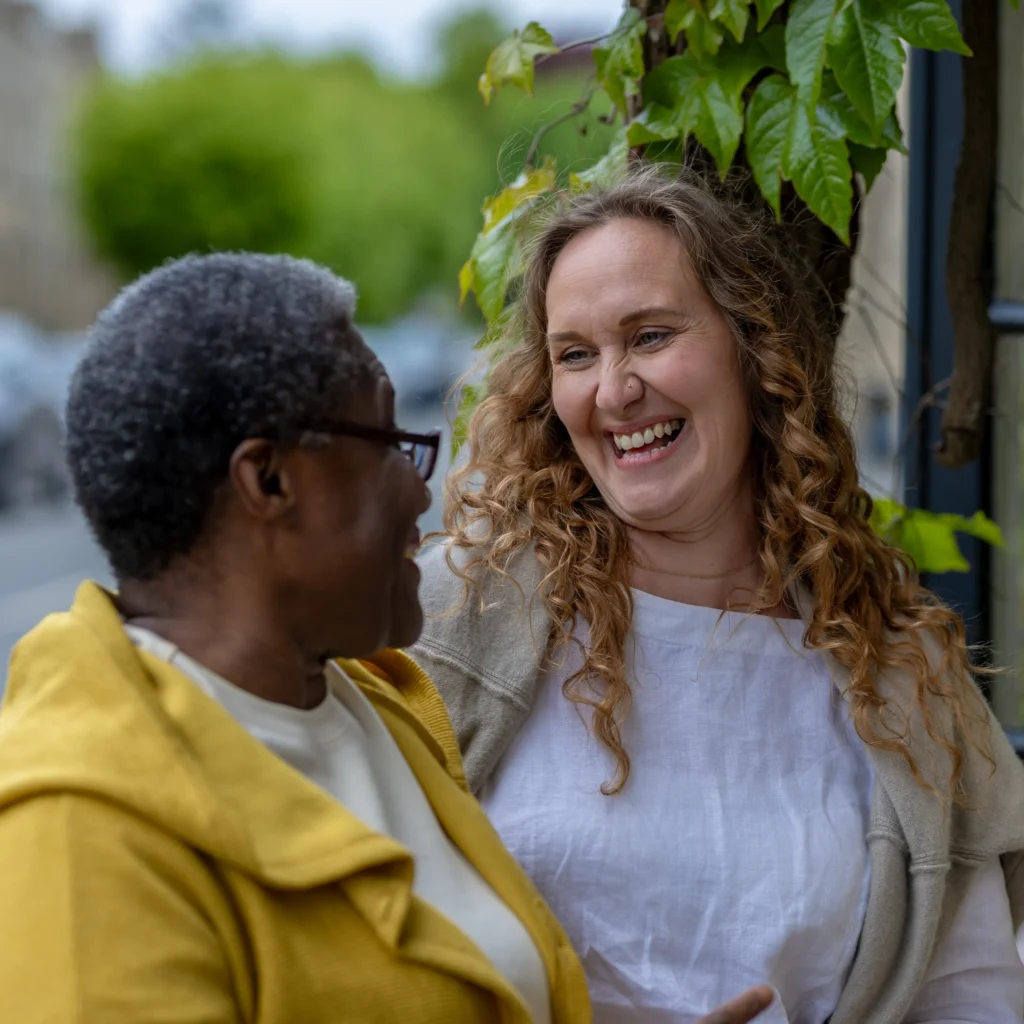
Caring for a family member after a stroke can be rewarding, but it can also feel emotionally and physically exhausting. It’s natural to put their needs first, but your wellbeing matters just as much. Try to make time for rest, activities you enjoy and moments to recharge, without feeling guilty. Looking after yourself helps you continue to be there for the person you love.
Don’t be afraid to ask for help
You don’t have to manage everything alone. Accepting support from family and friends, speaking to your GP or connecting with other carers can help you feel less isolated. Organisations such as the Carers Trust offer advice and support for unpaid carers. Remember, asking for help is a sign of strength, not a failure.
Explore support that gives you time to rest
Taking a break from caring is important, even if it’s just a little time for yourself. Support from professional carers, including our live-in care, can help your family member receive personalised care at home while easing some of the pressure on you. Having someone you trust alongside you can offer reassurance and give you space to recharge.
Supporting recovery and rehabilitation at home
Recovering from a stroke is a personal journey that takes time and patience.
With the right support at home, small steps can make a meaningful difference in rebuilding confidence and improving your quality of life. Some key tips on how to recover include:
Paying for live-in care after a stroke
Paying for live-in care after a stroke doesn't have to be overwhelming or stressful.
At Helping Hands, we understand that every situation is different, and we’re here to help you explore your options. Our friendly team will guide you through the process, explain the support available and help you find the right care for your needs. Get in touch with Helping Hands today to discuss your circumstances and find out how we can support you at home after a stroke. We’ll take you through our costs and funding options, and also arrange a free initial assessment, right at your doorstep!
Planning and preparing for live-in care
Understand your care needs
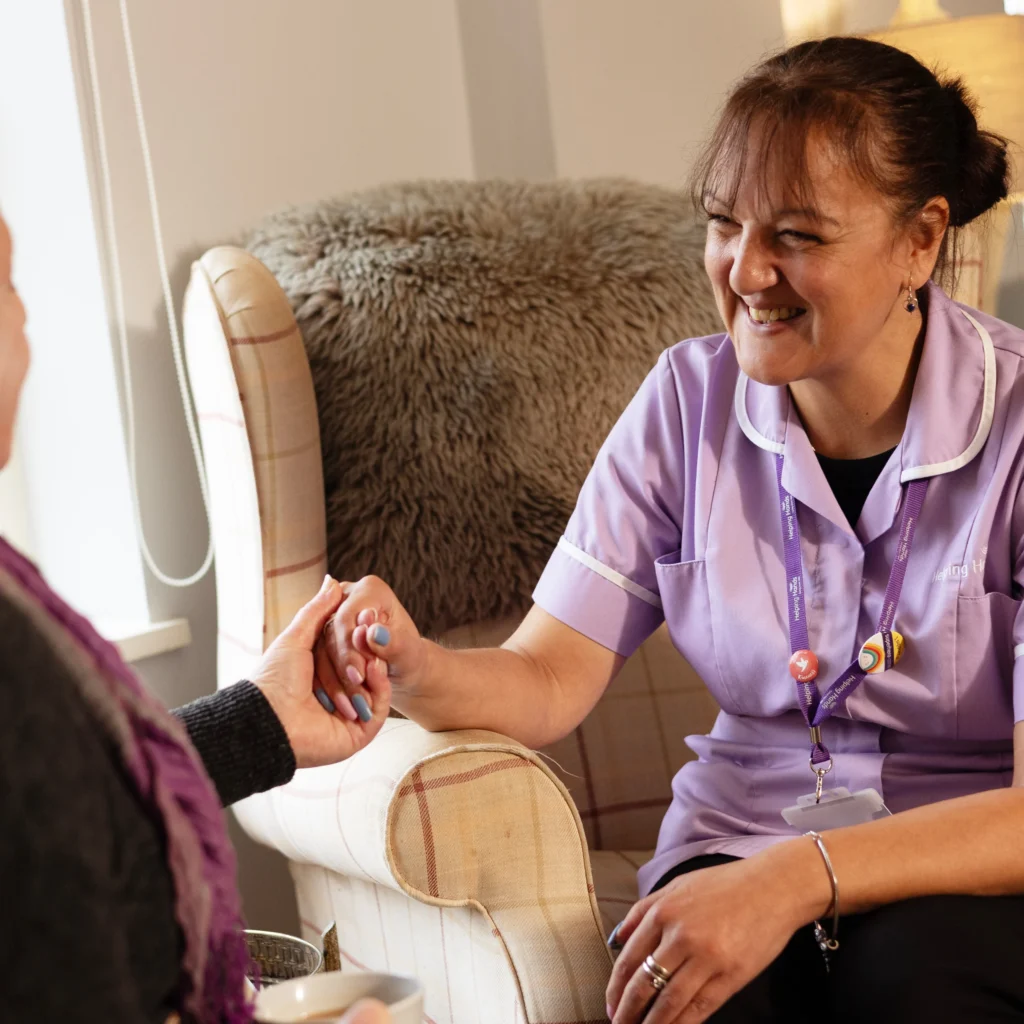
Think about the support you need each day, from personal care and meal preparation to companionship and mobility assistance. This helps create a care plan tailored to your lifestyle and preferences.
Prepare your home
Make sure your home has a comfortable private space for your live-in carer, including a bed and access to bathroom facilities. A safe, welcoming environment helps everyone settle in comfortably.
Get to know your carer
Discuss your daily routine, interests and personal preferences with your carer before care begins. Building trust and open communication helps you feel reassured and comfortable with your new support.
Signs it may be time for full-time support
Here are some common signs to look out for:
How Helping Hands supports stroke recovery at home
At Helping Hands, we take pride in our ability to adapt to your needs. We can offer expert home care on a live-in, visiting or respite basis.

Visiting care
Live-in care
A fully regulated home care provider
Here at Helping Hands, our service is regulated by the Care Quality Commission (CQC) and the Care Inspectorate Wales (CIW).
This means we need to consistently meet high standards and are monitored by our regulators.