


Lung Cancer Awareness Month 2026
What is Lung Cancer Awareness Month?
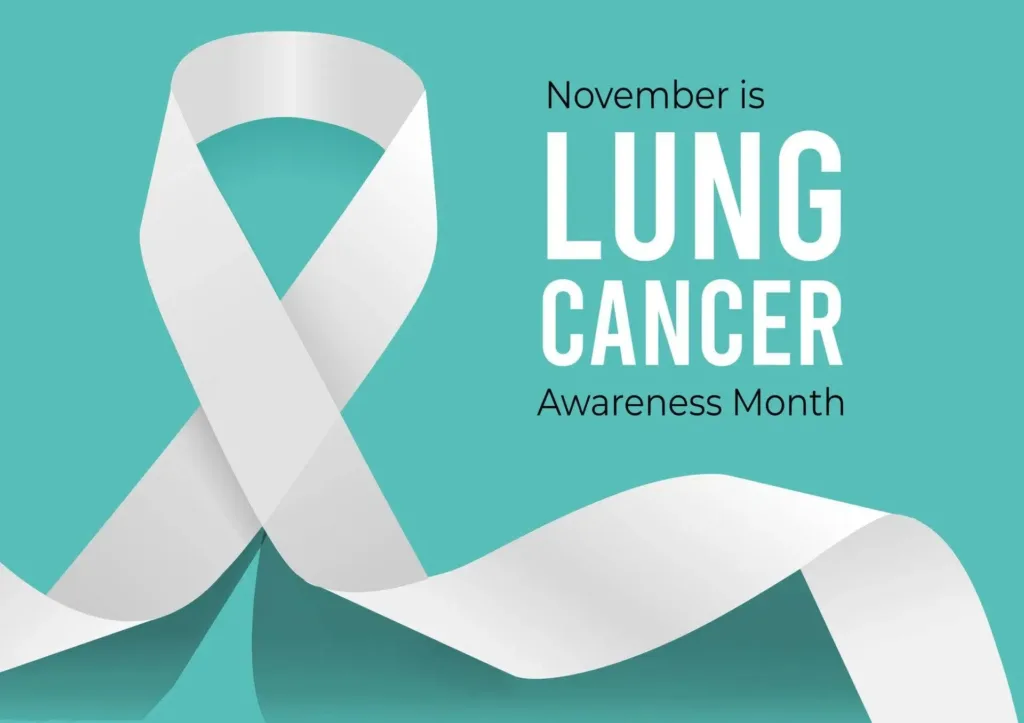
In 2026, Lung Cancer Awareness Month takes place from November 1 to November 30. It’s designed to, according to Macmillan Cancer Support, raise “awareness about lung cancer signs, symptoms, risk factors, and the importance of early detection and primary care.” Charities and organisations organise “educational resources, events, and community initiatives throughout the month.”
Why early diagnosis matters
Cancer Research UK tells us that “Earlier diagnosis is key to improving outcomes, but this can be challenging for lung cancer.” Most lung cancer cases across the UK are diagnosed at a later stage, and this means the person is less likely to survive. While more than six out of ten people will survive when diagnosed at the earliest stage (stage one), less than one in ten will survive when diagnosed at stage four (the latest stage).
Key signs to be aware of
If you experience any of the following symptoms they should be checked by a healthcare professional. There can be many other explanations than lung cancer, but it’s a good idea to investigate early, as if it was serious, it could be acted upon quickly.
Coughing up blood
The NHS says that “coughing up blood can have lots of possible causes” so it’s important to get it checked out by a medical professional as soon as possible.
A persistent cough
If you’ve had a cough for three weeks that doesn’t go away, or a long-standing cough that gets worse, seek advice from a medical professional.
Shortness of breath
If you experience shortness of breath or breathlessness after little or no exercise, then it should be investigated for its possible link to lung cancer.
Chest pain
If breathing in deeply causes discomfort in your chest, or pain when you breathe in deeply, then it should be investigated as a matter of course.
Loss of appetite
Losing weight can be down to many things, but if you also have no appetite or difficulty swallowing you should speak to your GP about causes.
Fatigue
If you’re persistently tired or you feel like you have no energy over a sustained period of time it could be a symptom of lung cancer and should be checked.
Five things you can do this Lung Cancer Awareness Month
There are many things all of us can do to help raise awareness of lung cancer symptoms and treatment routes.
Know the signs and share them
Knowing the signs of possible lung cancer and sharing them with family means that you’re spreading awareness. You’ll also know what to look out for and changes in their wellbeing.
Encourage a loved one to see their GP
Encouraging a loved one to see their GP about a lasting cough isn’t always easy, as they may be resistant to seeking help. Offering to go with them may help though.
Find out about local lung health checks
Lung cancer screening in your area can be enquired about through the NHS, or charities such as the Roy Castle Foundation. If you’re aged 55-74 you may be contacted.
Support someone to stop smoking
You can play a huge part in helping someone to stop smoking. Showing them how far they’ve come, how their life will change, or offering incentives may all motivate them.
Looking after your own lung health
Research cited on Very Well Health suggests that certain foods can target lung cancer cells. These include pears, green tea, and salmon. Stopping smoking is also key.
Supporting someone living with lung cancer at home
When someone is living with lung cancer, they will most likely relish the routine of continuing to live at home. Being around loved ones and familiar surroundings will support them throughout their treatment journey, whatever stage it’s at.
Practical help day to day
Around 50,000 people are diagnosed with lung cancer in the UK each year, according to Cancer Research UK. The amount of help people will need depends on the stage of their cancer, and whether they’re on a palliative pathway. Practical tasks such as personal care, meal preparation, mobility, and medication may need to be undertaken, and if family members aren’t sure whether they can manage, private care from Helping Hands can deliver everything you need, on either a visiting or live-in care basis.
Emotional support for the whole family
It’s not just practical support that people need when they or a loved one is living with lung cancer. Worries about the future, the progress of treatment, and how they will manage if the worst happens, means that emotional stress can be ever present. Discovering local support groups, carer events, and national carer organisations can all give advice and support, and having a regular carer coming to your home will also mean that there is always someone close by to lend a supportive ear when you’re struggling.
How Helping Hands can help
Being told you have cancer is one of the most difficult things you can hear in life. You’ll be wondering what the future will look like, and how you will cope if treatment isn’t ultimately successful. Cancer care at home from Helping Hands can be delivered as often as you need, whether to give family caregivers a regular break, or to keep you safe at home around the clock. We’ll tailor your care plan around your existing routine, making sure that your days still proceed as you wish them to, while making sure you always have support to attend crucial medical appointments. By having a carer in your home, you and your loved ones can concentrate on spending quality time together, rather than undertaking care tasks. All of our care is fully regulated by the Care Quality Commission and Care Inspectorate Wales, meaning that you can all be confident in the people coming into your home.

Frequently Asked Questions
Yes, you can. According to the BBC, “The number of lung cancer cases in people who have never smoked is increasing… Between 10 and 20% of lung cancer diagnoses are now made in individuals who have never smoked.”
It’s important to try and remain calm and discover why they are reluctant to visit their GP. They could be fearful of what the visit – or subsequent tests – may uncover, or perhaps they feel like they don’t want to ‘make a fuss’. If they flatly refuse to go, and they have mental capacity, then you can’t make the decision for them. You can however speak to the GP yourself, telling them your concerns and making them aware of your loved one’s reluctance. While the GP can’t discuss confidential patient details without their consent, you can submit information to the GP surgery in writing or online so you know they’re aware.
Supporting a parent through cancer treatment is difficult at times, especially if you are juggling work and family life. If you are finding it difficult to manage then asking siblings or other family for support to share caregiving responsibilities may be a good idea. You should also explain the situation to your employer and ask if you are able to take a period of time off or adjust your working hours. If there is no-one in the family who can help, or if you would rather bring in professional care, talk to Helping Hands.
While “smoking tobacco is the biggest cause of lung cancer in the UK…Your risk of lung cancer is higher if you have a close relative such as a parent or sibling who has had lung cancer” say Cancer Research UK. Research is ongoing into “how our genes could affect our risk of lung cancer.”
Yes, a carer can make a huge difference to the life of someone living with breathlessness at home. Struggling with physical tasks and emotional wellbeing may prevent someone from doing the things they would’ve previously done in their life, such as keeping their house clean and tidy, promoting their own hygiene, and eating well. Helping Hands carers are compassionate people who are dedicated to helping people live well in their own homes, regardless of the conditions they’re living with.