What causes older people to fall? Common risk factors and when to seek help
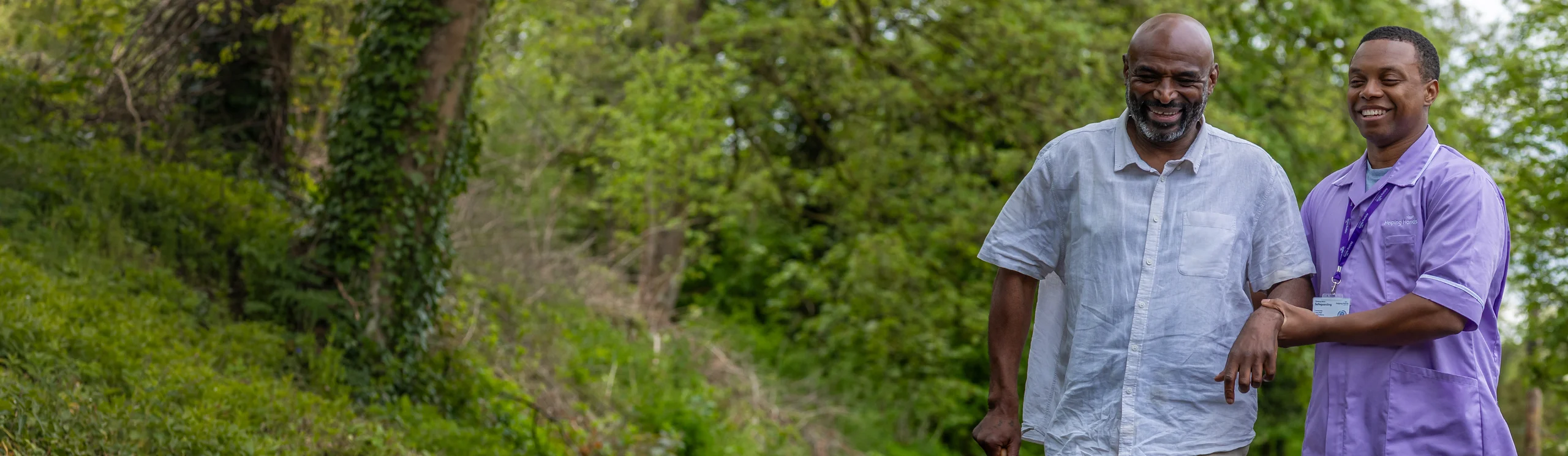
Why falls become more common with age
As we get older, changes in strength, balance, vision and coordination can make it easier to lose our footing. Certain health conditions and medications can also increase the risk of falling, while changes around the home may create additional hazards.
Common risk factors for falls
Balance and mobility problems
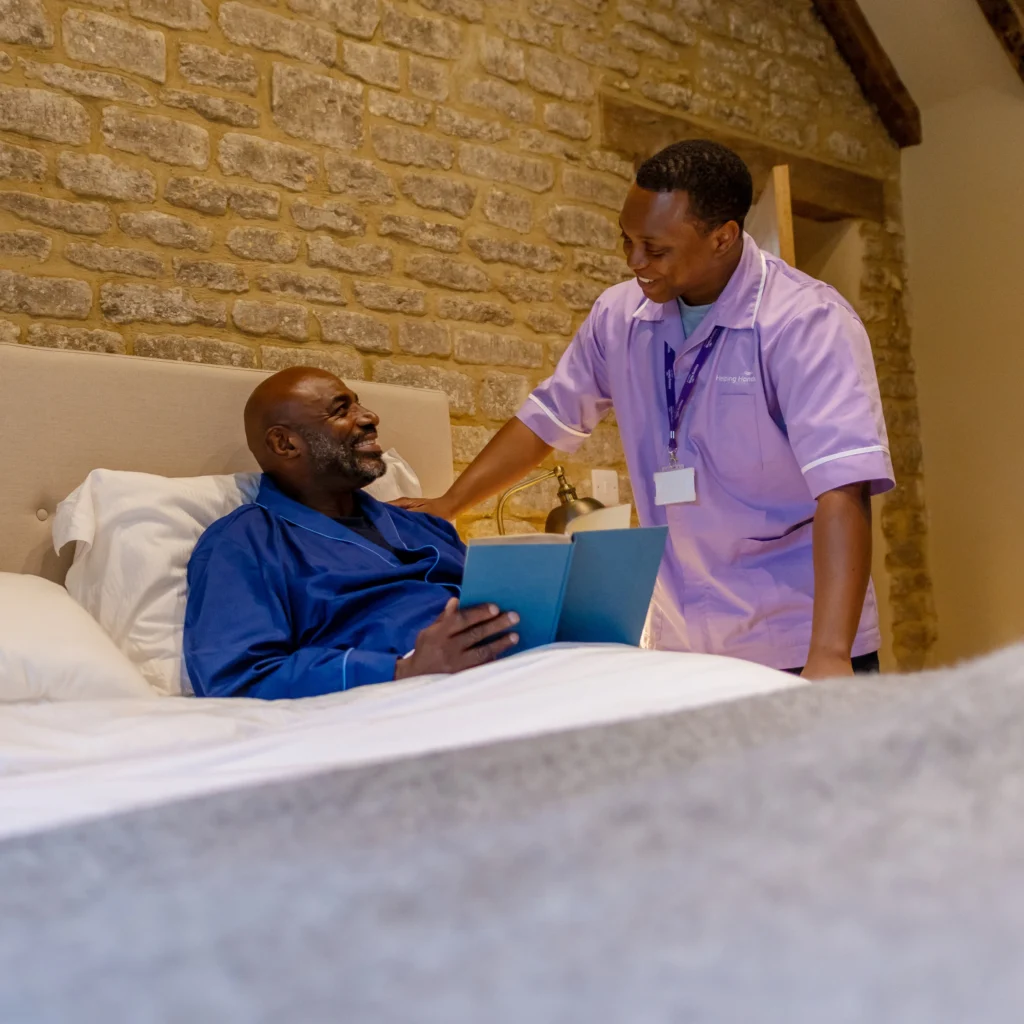
As we age, changes in muscle strength, balance and coordination can make moving around more difficult. Mobility problems, difficulty walking or relying on a walking aid can all increase the risk of losing your balance and falling.
Poor eyesight
Vision changes can make it harder to see obstacles, uneven surfaces, steps or changes in flooring. Poor lighting can make this even more difficult, especially when moving around the home during the evening or at night.
Medication side effects
Some medicines can cause side effects such as dizziness, drowsiness, weakness or a drop in blood pressure, which may increase the risk of falling. Taking several medications at once can also increase the likelihood of side effects, making regular medication reviews important.
Home hazards
Simple hazards around the home can sometimes lead to serious falls. Loose rugs, clutter, trailing cables, wet floors, uneven surfaces and poor lighting can all create potential risks, so keeping the home tidy, well lit and easy to move around can help.
Home hazards
Some health conditions can affect your strength, balance, movement or awareness, making falls more likely. Conditions affecting the heart, brain, muscles, joints or nervous system may contribute to falls, so it’s important to seek medical advice if you notice new or worsening symptoms.
Warning signs that someone is at higher risk
Some people are more likely to experience falls, particularly if they have changes in their strength, balance or mobility. Recognising the warning signs early can help families put the right support in place and make everyday activities safer.
Signs that someone may be at higher risk include:
How to reduce the risk of falls at home
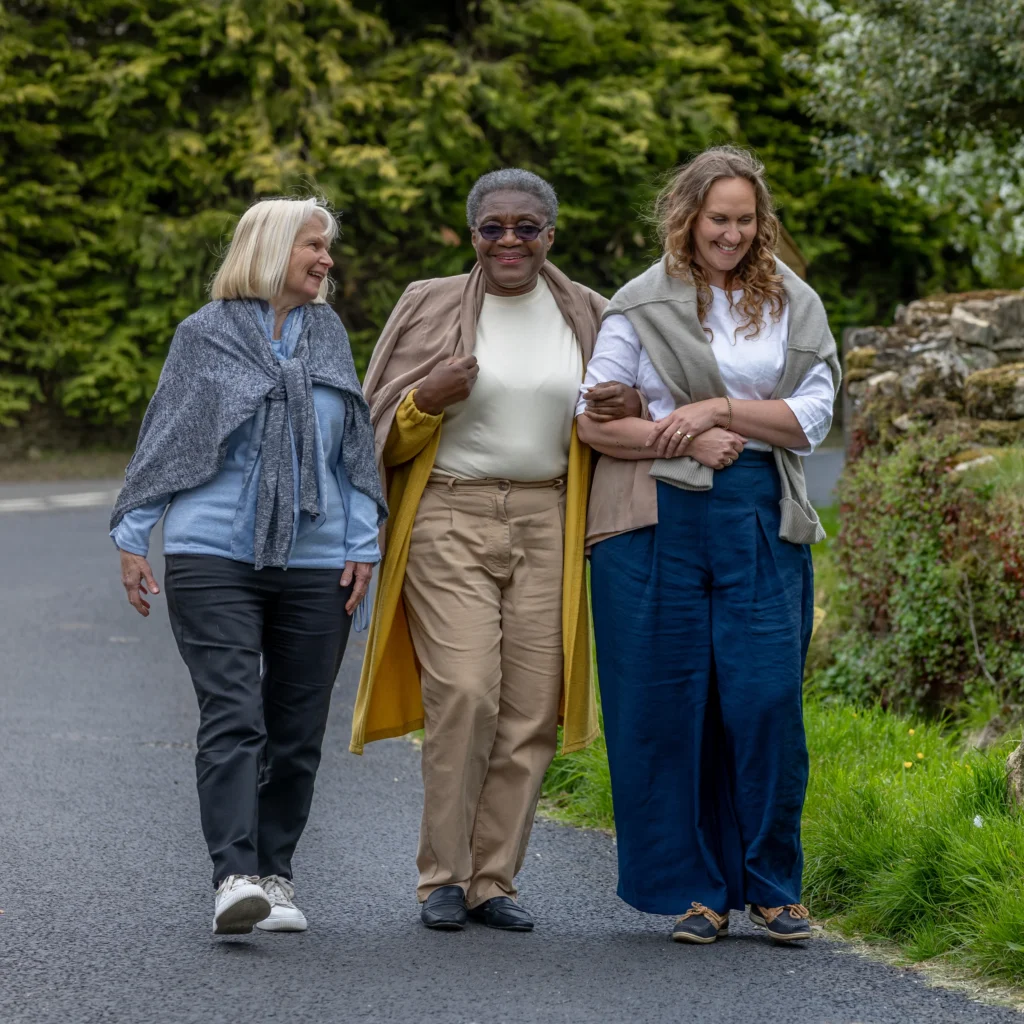
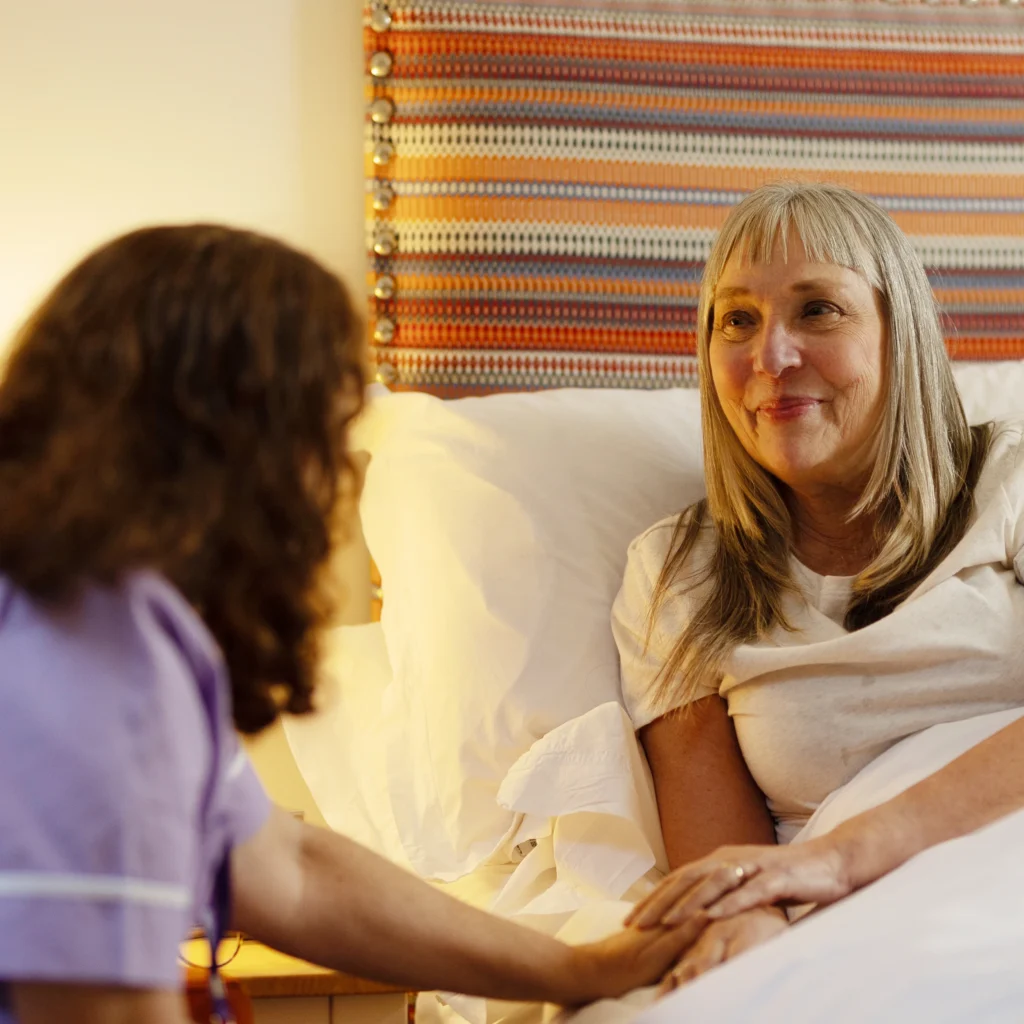
Your Helping Hands carer can help to make your home clear of hazards and a safer environment.
Making a few simple changes around the home can help reduce the risk of falls and give you or your family member greater confidence day to day. Keeping walkways clear, improving lighting, removing loose rugs and making sure everyday items are easy to reach can all make the home safer. A Helping Hands carer can also provide gentle, reassuring support with mobility, getting around the home and everyday tasks, helping your loved one move safely while maintaining as much independence as possible. Our compassionate mobility care is tailored to each person, offering practical help alongside the patience, encouragement and reassurance they need to feel safe and confident at home.
When to seek help after a fall
Signs you need immediate medical attention
If someone has severe pain, heavy bleeding, difficulty breathing, loses consciousness, becomes confused or is unable to get up after a fall, they may need urgent medical attention. Head injuries should also be taken seriously, particularly if there is vomiting, a severe headache or unusual drowsiness.
When to speak to a healthcare professional
Even if a fall seems minor, speak to a healthcare professional if there is ongoing pain, swelling, dizziness, weakness or difficulty walking. If falls are happening regularly, getting advice can help identify possible causes and put the right support in place to reduce the risk of future falls.
What to do if your parent has a fall
If your parent has a fall, try to stay calm and reassure them that you’re there to help.
Take a moment to check how they’re feeling and look for any signs of injury before helping them move. If they have severe pain, have injured their head, neck, back or hip, are bleeding heavily, seem confused or cannot get up, call 999 and avoid trying to lift them yourself.
If they appear well enough to move, encourage them to take their time and get up slowly, using a sturdy piece of furniture for support if needed. After the fall, keep an eye on them and reassure them. If you’re worried about their wellbeing, they seem less steady than usual, or they’ve had more than one fall, speak to their GP or contact NHS 111 for further advice. A fall can be upsetting for both you and your parent, so offering patience, comfort and practical support can make a big difference.
How Helping Hands can help reduce the risk of falls
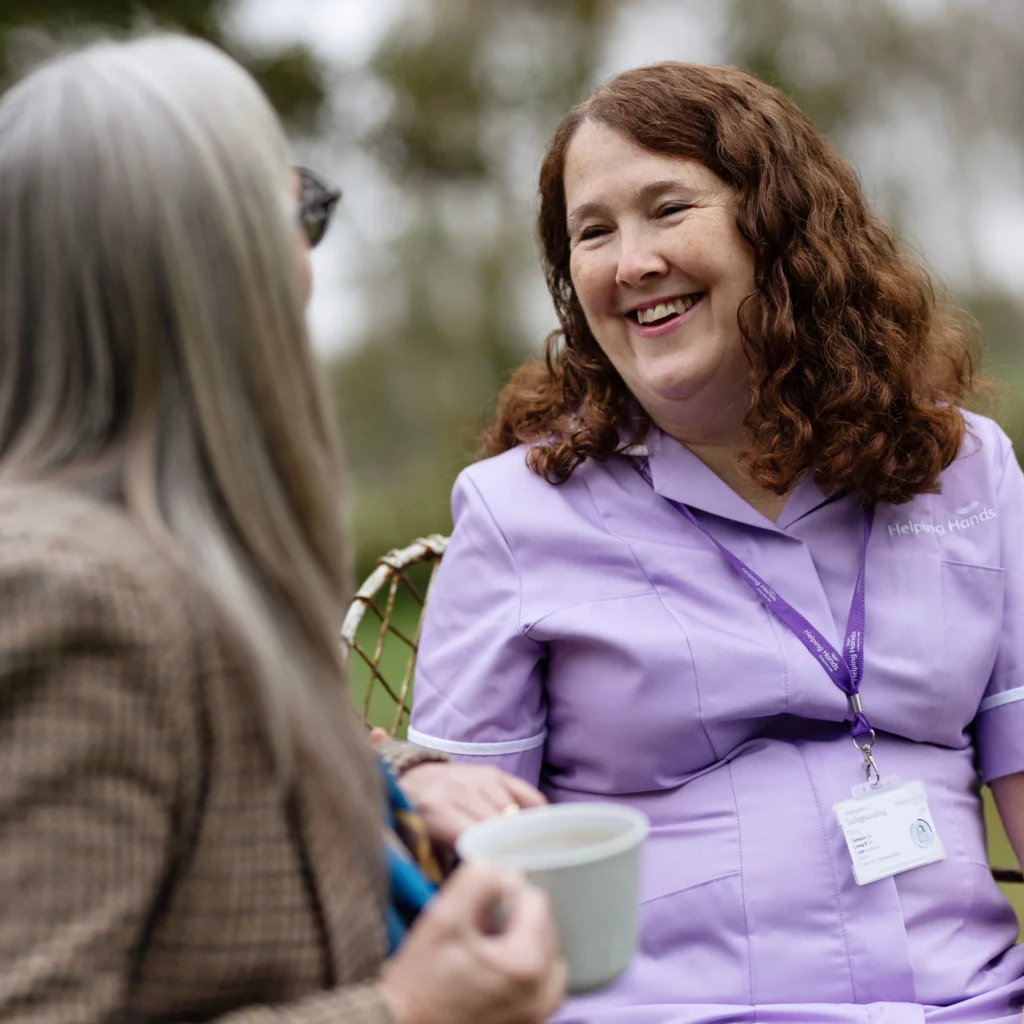
At Helping Hands, we take pride in our ability to adapt to your needs. We can offer expert home care on a live-in, visiting or respite basis.

Visiting care
Live-in care
A fully regulated home care provider
Here at Helping Hands, our service is regulated by the Care Quality Commission (CQC) and the Care Inspectorate Wales (CIW).
This means we need to consistently meet high standards and are monitored by our regulators.