


World Diabetes Day 2026
What is World Diabetes Day?
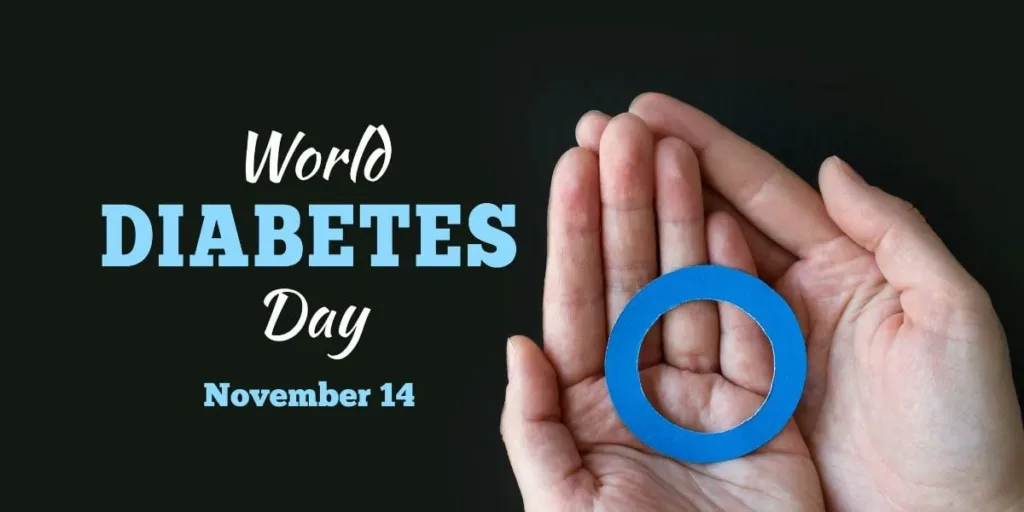
World Diabetes Day “is a global occasion for people with diabetes, healthcare professionals, advocates, policymakers and the public to unite to raise awareness of and take action on diabetes” says the International Diabetes Federation. In 2026 it takes place on Saturday 14 November.
1 in 9 people worldwide are currently living with diabetes, and it’s estimated that 635 million adults are at a high risk of developing type 2 diabetes. Because type 2 diabetes doesn’t typically present obvious symptoms, it may not be detected until there are complications.
Diabetes in later life: what families should know
Older people living with diabetes may have a unique set of challenges to deal with. This is because they may not be able to so easily follow the traditional recommendations for reducing risk, such as increasing activity and modifying their diet. “It may not always be appropriate to reduce fat, salt or free sugar for every older person with diabetes” say Diabetes UK.
Type 1 and type 2 diabetes explained
Type 1 diabetes is less common than type 2, and fewer than one in 10 people living with diabetes have type 1. Type 1 diabetes is not caused by lifestyle choices and even though it’s often diagnosed in childhood, it can develop at any age. While the exact causes for type 1 diabetes are not known, ongoing research suggests that you may have a slightly higher risk if a parent or sibling has it.
Type 2 diabetes may present no symptoms, and elevated blood sugar over time can cause associated complications with the eyes, kidneys and feet, as well as stroke or heart attack. Risk factors include being overweight or obese, physically inactive, not eating a nutritious diet, lack of quality sleep, and smoking. Certain ethnic groups may also have a higher risk of developing type 2.
Signs that blood sugar may be too high or too low
It’s really important to recognise signs and symptoms of hyper- and hypoglycaemia, whether in yourself or others. This ensures that if someone needs help due to high or low blood sugar you can act quickly to ensure they remain well.
Signs of high blood sugar (hyperglycaemia)
The NHS says symptoms of high blood sugar include feeling very thirsty, increased urination, feeling weak or tired, blurred vision, and losing weight without trying to. These “usually come on gradually and may only start when your blood sugar level gets very high.”
Signs of low blood sugar (hypoglycaemia)
Low blood sugar usually affects people who “take insulin or some other diabetes medicines” say the NHS. “It’s rare in people without diabetes.” Symptoms include hunger, dizziness, sweating or shaking, tingling lips, heart palpitations, blurred vision, and tiredness.
Everyday ways to help someone manage diabetes at home
Supporting someone with diabetes isn’t always easy, which is why an unpaid carer needs to take care of themselves as well. After all, you cannot care for someone else if you’re running on empty. Helping the person you’re caring for includes helping yourself too.
Regular meals and eating well
Encouraging someone to eat well won’t always be easy. The person will have their own ideas about their diet and may want to eat unhealthily. Finding healthier versions of the person’s favourites may help them to eat a better diet if they’re rather too fond of unhealthy choices. It’s especially important for someone living with diabetes to eat well and regularly to prevent complications with their condition.
Medication and insulin routines
Helping someone you care for to monitor their blood sugar is extremely important to avoid hypos. “If you’re supporting someone that needs extra help, you may need to remind them or help them check their blood sugar more often” say Diabetes UK. It’s also essential that they take their medication as prescribed. Getting them to check their blood sugar before they drive is also responsible behaviour.
Foot care and regular foot checks
People who live with diabetes are at greater risk of foot problems, such as ulcers, infections, or even amputations. Checking feet every day is a good preventative measure that loved ones and carers can do for the person they’re caring for. “Over time raised blood sugar levels, can damage the small blood vessels that supply the nerves in your feet” say Diabetes UK. This stops essential nutrients reaching them.
Staying active and regular exercise
Helping someone to remain active is good for everyone, but especially people living with diabetes. Enjoying activities together is a great way to encourage someone to keep moving, whether it’s walking the dog together, dancing to a favourite song, or doing chair-based yoga. If they have mobility issues related to dementia, they may be reluctant to try any kind of exercise, however starting slowly and building up is key.
Diabetes and dementia: extra things to consider
Managing diabetes and dementia together at the same time “can be complex” say Dementia UK, however “people with diabetes — particularly type 2 diabetes — have a higher risk of developing dementia.” Living with dementia can make it harder for someone to manage their diabetes, especially as the dementia progresses. Remembering to take their medication, monitoring their blood sugar levels, or recognising signs of a hypo may be harder for them as their dementia reaches a later stage. This can put more responsibility on the shoulders of caregivers, who will have to take on additional responsibility to make sure the person isn’t additionally vulnerable. Having a Helping Hands carer helping to support someone living with both dementia and diabetes means that loved ones can focus on spending quality time together rather than caregiving responsibilities.
Everyday diabetes support from a Helping Hands carer
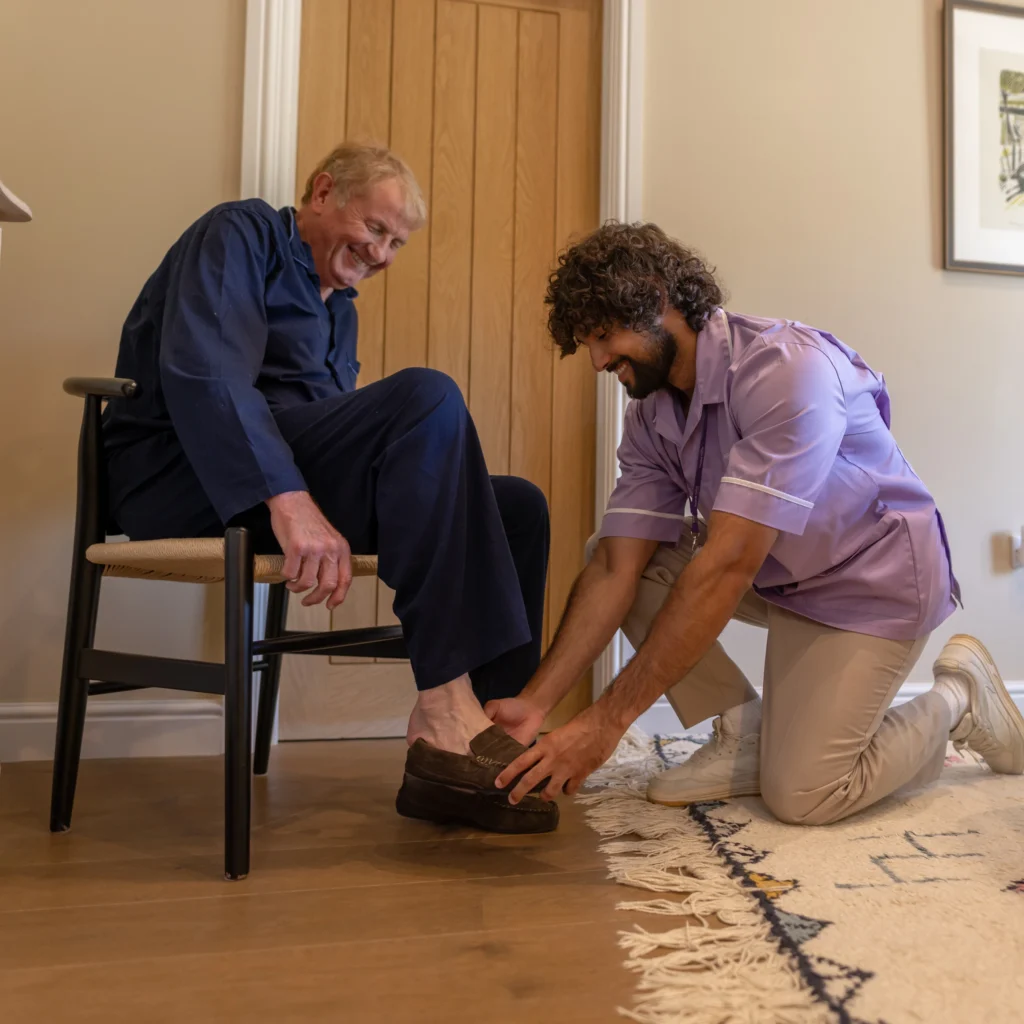
We’ve been supporting people to live well with diabetes for 37 years. We offer exceptional diabetes care in our customers’ own homes on both a visiting and live-in care basis. The people we care for want to continue living in the place that means everything to them, rather than moving into a care home, and our compassionate carers help make that happen for them, every single day. If you’re living with diabetes, we’ll design you a care plan built around every aspect of your routine and preferences, meaning you remain in control of your daily life. Our carers will undertake all the practical tasks you may no longer be able to manage, such as vacuuming, laundry, and personal care, as well as ensuring your emotional wellbeing is always taken care of too. Whether you enjoy keeping up with friends or just having a cuppa and a chat, we’ll be there as much as you need us.

Frequently Asked Questions
Signs of high blood sugar can include extreme thirst, increased urination, weakness or tiredness, and unexplained weight loss. Signs of low blood sugar can include increased hunger, dizziness, sweating, shaking, tingling lips, heart palpitations, blurred vision and tiredness. Any change in a person’s condition should be raised with a healthcare professional, especially if they’ve been told they’re at risk of diabetes.
Yes, type 1 diabetes can develop at any age. Type 1 diabetes was even referred to as juvenile diabetes before the 1980s, but “about half of new cases of type 1 each year are diagnosed in older adults” say Columbia University Medical Centre.
While type 2 diabetes is never considered ‘cured’, it may be possible to put it into remission. “The strongest evidence we have at the moment suggests that type 2 diabetes is mainly put into remission by weight loss” say Diabetes UK. Supporting your loved one to eat a healthy diet and undertake gentle exercise may be enough to help them lose weight and increase the likelihood of putting their type 2 diabetes into remission.
A home hypo kit should contain fast-acting carbohydrates such as glucose or dextrose tablets, glucose gel tubes, non-diet juice or fizzy drink, or jelly babies. It should also contain a blood glucose meter, extra test strips, and lancets, as well as longer-acting starchy carbohydrates, such as plain biscuits, crackers, or a cereal bar. It’s also a good idea to have emergency contact numbers, a copy of the care plan, and medical identification.
Diabetes should be monitored carefully to ensure any complications are quickly identified. Diabetes health checks should be carried out at least annually, or as often as your healthcare team suggest. A range of medical and blood tests will be done at your review, such as blood pressure, cholesterol, and kidney function. They will also want to check whether you smoke, your feet, plus weight and height to get your BMI. They may also recommend a diabetic eye test.