


World Stroke Day
When is World Stroke Day 2026?
World Stroke Day takes place every year on 29 October. “It’s a global awareness day that brings people together to improve understanding of stroke” says the Stroke Association. The day focuses on “prevention, treatment, recovery and the long-term impact stroke can have on people’s lives.”
Recognising a stroke: the FAST test
Every five minutes someone in the UK has a stroke, therefore it’s essential to recognise the symptoms and act quickly. “Stroke is a medical emergency that requires immediate attention as every minute is vital” says the Stroke Association. “If you experience or spot any of the below, don’t wait. Call 999 straight away.”
Face
Can the person smile? Has their mouth or eye drooped?
Arms
Can the person raise both arms fully and keep them there?
Speech
Can the person speak clearly and understand what you say? Is their speech slurred?
Time to call 999
If you see any one of these signs.
Signs that are easily missed
According to Baystate Health, “Every year, an estimated 8 to 10 million Americans suffer a stroke and don’t even know it.” Many people in the UK also don’t associate other symptoms with a potential stroke or may not experience symptoms at all.
TIA or mini stroke
A transient ischaemic attack (TIA), also known as a mini-stroke, is still a medical emergency that requires urgent attention. It is a “warning that you are at risk of having a stroke” says the Stroke Association.
How symptoms can present in older people
Stroke symptoms in older people may be misinterpreted by those around them as fatigue, confusion, or lack of coordination associated with old age. However, it may be more than a fall risk or just being tired.
Reducing the risk of stroke
“Although your risk of having a stroke is higher if you have already had a stroke or a TIA, you can reduce your risk of another stroke,” say the Stroke Association. “It’s important that you take the medication you’re prescribed, and make any lifestyle changes you need.”
Blood pressure
While getting older and genetic links can increase risk of high blood pressure, lifestyle choices also contribute. These include being overweight, being inactive, eating too much salt, drinking too much alcohol, and smoking.
Atrial fibrillation
Taking anticoagulant medication for atrial fibrillation is the main treatment to reduce risk of stroke. The medication reduces stroke risk by slowing down the clotting process, making one less likely to form.
Lifestyle factors
Making healthier lifestyle choices are perhaps the most controllable way to minimise stroke risk. Stopping smoking, reducing alcohol consumption, losing weight, increasing activity levels, and eating a balanced diet are all key.
Life after a stroke
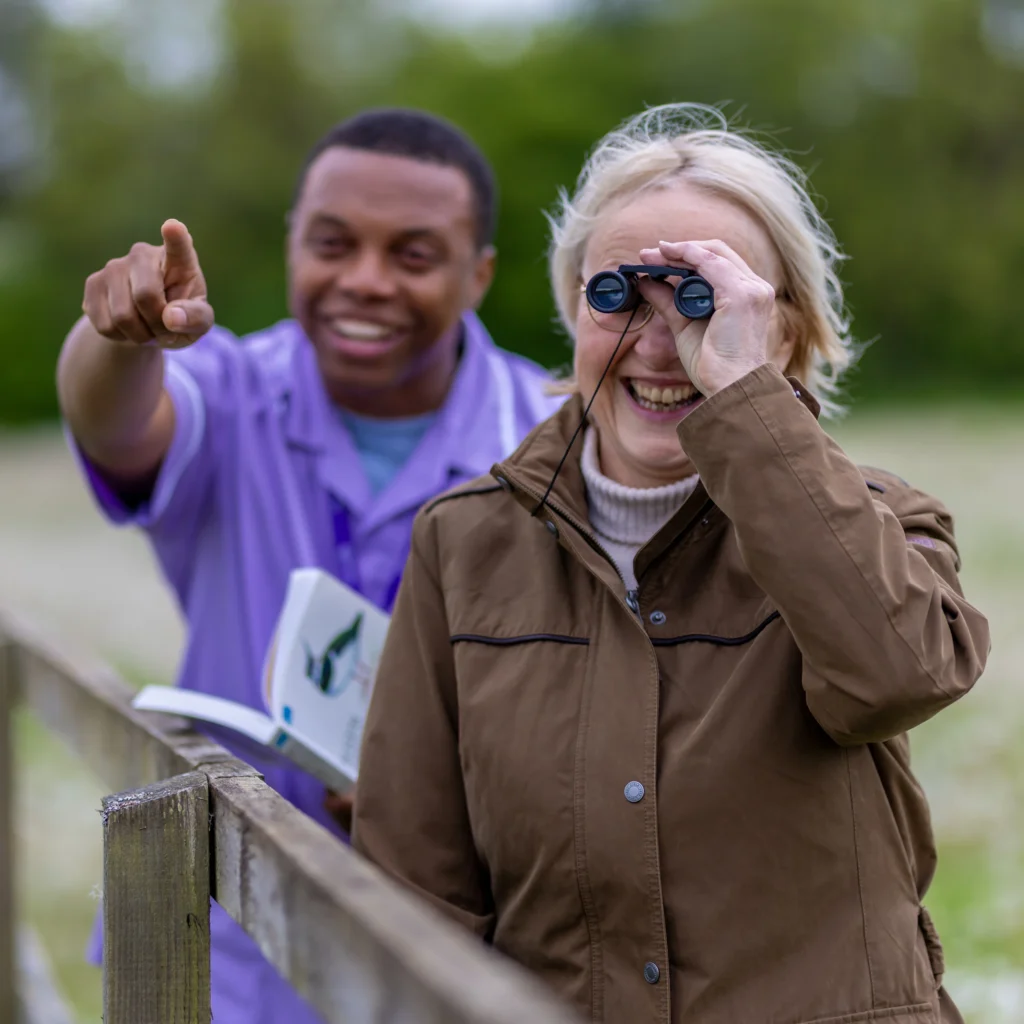
After having a stroke, you may feel that you won’t be able to return to your former levels of activity, but that isn’t the case. Activity is good for both our mental and physical wellbeing and is an integral part of your stroke recovery. While “some effects of stroke could make it harder to be active, like fatigue or problems with your balance…with support you can find out what you can do and find things you enjoy” says the Stroke Association. Activity can benefit mood, build up stamina and reduce fatigue, improve balance and muscle strength, and crucially reduce the chance of another stroke.
Getting involved this World Stroke Day
Getting involved in World Stroke Day is easy, and resources are available to download and share on the Stroke Association website. Spreading awareness is crucial so that everyone recognises the symptoms of stroke, and supporting World Stroke Day will ensure that more people affected by stroke know where to turn for recovery support. Downloading materials is easy, and they can be printed or shared for local use. Materials such as posters can be displayed in windows or on work noticeboards, or in local community settings.
Rebuilding independence with Helping Hands stroke care
Since 1989, Helping Hands have been supporting people living with stroke to remain independent at home. Because we support people with every aspect of their daily routine, you and your loved ones can be confident that they’ll always enjoy the highest levels of care and support. All of our care services are fully regulated by the Care Quality Commission and Care Inspectorate Wales, and will be tailored to your exact needs.
Visiting care during rehabilitation
Our visiting care service is available from less than an hour a week, up to as often as you need us. Some people require help at mealtimes or to support them out of bed in the morning, while others have a longer visit for housework or personal care. However we can help, your local team will be there for you.
Live-in and nurse-led stroke care
Our live-in care gives you and your loved ones total peace of mind that you’ll never be alone at home. Providing support with all practical aspects and leaving plenty of time for companionship, our local care teams and in-house clinical nurses will ensure your care plan is carried out seamlessly.
Working alongside your therapy team
Our carers are compassionate, experienced professionals, who will work seamlessly with your wider healthcare team to ensure every aspect of your care proceeds as it should. Whether you’re about to be discharged from hospital or you need temporary help with your recovery, talk to us today.