


Making Christmas special for someone receiving palliative care

Talking about what Christmas should look like
We often feel pressured to make Christmas perfect, regardless of our age or the condition we’re living with, but if you know it’s likely to be yours or a loved one’s last Christmas, the pressure can be even greater to make it extra special. Realistically though, Christmas rarely goes perfectly, even with the most intricate planning, so it’s important not to put unrealistic expectations on yourself and those around you. According to the Sue Ryder charity, it’s important to keep things simple where possible. “Think about what is important to you and those around you. It’s often the simplest things that make the difference.” It’s also important to be kind to yourself if things don’t go exactly as you planned.
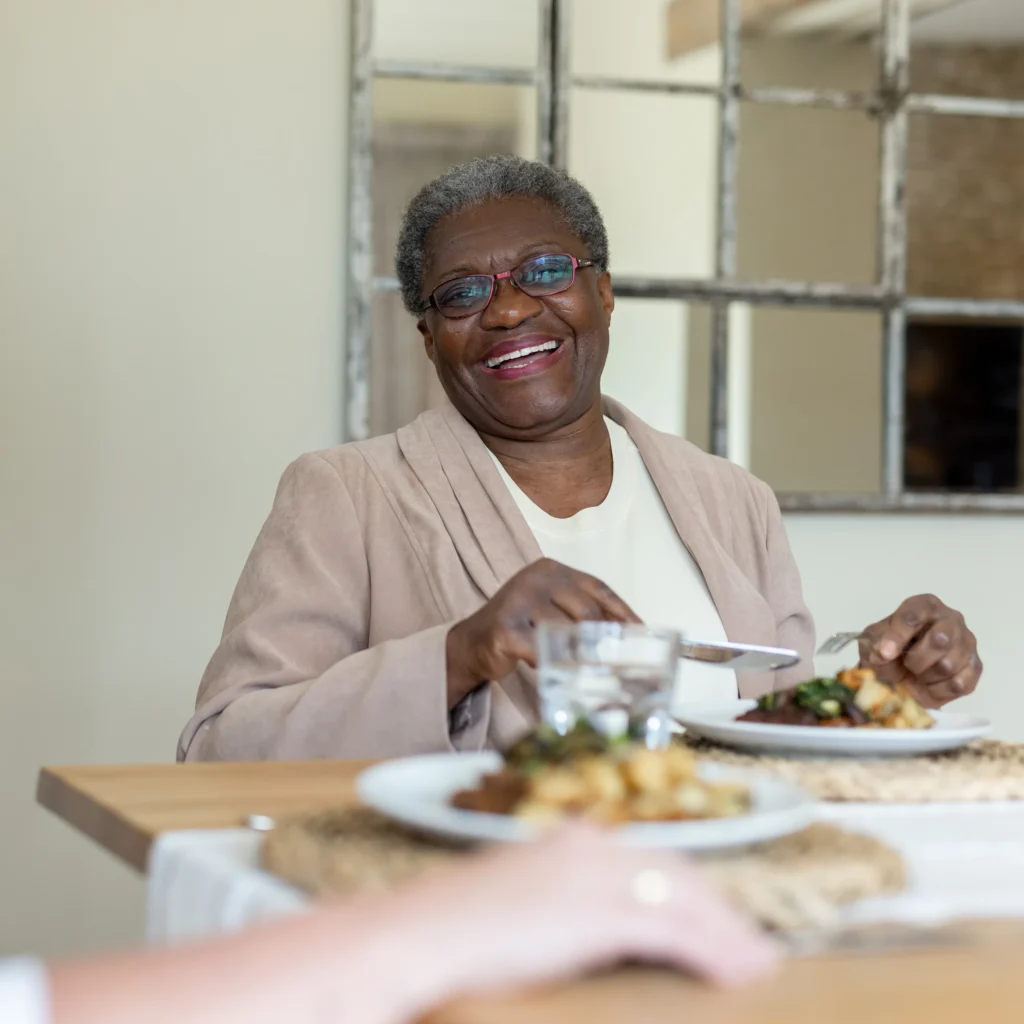
Adapting Christmas traditions
Traditionally, families often like to repeat favourite traditions every year at Christmas, but if you are living with the knowledge that it may be your last one together, you shouldn’t be afraid to change those traditions or start making new ones that the family can take comfort in after your passing.
Bringing Christmas to the bedside or chair
There is no reason at all why you shouldn’t celebrate Christmas wherever you’re most comfortable. If you’re spending the majority of your time in bed, then why not ask your family to celebrate with you in your room? You could sing some carols, pull some crackers, and open some presents so that you all feel part of proceedings.
Food and drink when appetite changes
You may not be eating much anymore or perhaps you’re not eating solid food at all. Or perhaps you can’t manage cooking smells. “Ask for cold food, or to arrive after the cooking is done, if strong smells are making you feel unwell,” suggests Sue Ryder, or “Consider asking for a smaller plate if you don’t have much of an appetite.”
Smaller gatherings and shorter visits
Many people on a palliative pathway find they have less energy than they previously did and tire more quickly around other people. Therefore, Christmas celebrations should be adapted to their needs, and prospective visitors asked to be mindful of their condition. Visitors should be spread out, visits kept short, and noise kept to a minimum.
Managing comfort over the festive period
Being honest with family and friends and telling them well in advance what your plans for Christmas are, will keep everyone comfortable. It’s entirely up to you who you spend Christmas with, but understandably, loved ones will be anxious to spend the festive season with you if you’re not expected to live another year. People may be upset if you ask them not to attend, however you really do have the right to your comfort over Christmas, as at every other time. However, if you do want to spend Christmas with the people who are important to you, talk to them well before Christmas and explain that things will be a little different this year. As Sue Ryder say, “most people will be really keen to help you have the last Christmas you want.”

Making memories together
Making memories together is not about going to fancy places or doing incredible things, some of the longest-lasting memories can be made at home. Perhaps you’re a musical family and singing or playing together would be precious to you all? Or you may love playing board games every Christmas or watching your favourite old movies. It’s important to consider how the plans will affect any children in the family too. It should be explained to children old enough to understand, that their parent or grandparent is still the same person, however they may look a little different or may not be able to do the same things with them that they always did. Ultimately though, it should be stressed that they still love them as much as they always did. “If you have children in your life, ask them how they’d like to spend time with you during your last Christmas” say Sue Ryder.

Looking after yourself as a family
When a loved one is approaching the end of their life, family members can lose sight of their own feelings because they’re focusing fully on the person who is ill. While that is totally understandable, it also means that family members can be at risk of neglecting their emotional wellbeing. Looking into local carers’ groups, even if family members aren’t the main carers, may help you to manage the feelings you’re having, or seeing if there are local organisations who support people so you can take a break.
Helping Hands offer exceptional respite care so that unpaid carers and other family members can take some time for themselves, whether that’s once a week or full-time over several days. Our visiting care and live-in care will be tailored to their specific needs, so that your loved ones will remain expertly cared for.

Compassionate palliative care at home with Helping Hands
Because we’ve been supporting people with their care needs since 1989, Helping Hands are the UK’s most trusted home care provider. We’ve been delivering the highest quality care in England and Wales for 37 years, delivering every type of support including palliative and end-of-life.
Care available throughout Christmas
Our care continues as normally as possible over Christmas and the New Year. We have carers who take breaks at other times so that they can be there for their customers throughout the festive period. Talk to us as early as possible If you won’t need us as much over Christmas and the New Year, so that we can finalise your plan in good time and make sure you have the support you need.
Nurse-led support for complex needs
We have our own team of clinical nurses at Helping Hands, which sets us apart from other care companies. We can provide complex care and support for our customers in their own homes, because our nursing team manage all of our palliative and end-of-life care packages, making sure our carers have all the knowledge and skills they require.
Emotional support for the whole family
When our carers come to support your loved one in their home, we’re not just there for them. While our customers are always our priority, we also understand the effect that a terminally ill loved one has on the people around them, which is why we’ll be there to support your emotional wellbeing too. If you need to chat over a cuppa, we’ll be there.
Frequently Asked Questions
Yes, palliative care can continue as normal over Christmas. While some of our carers take well-deserved time off over the festive period, we have many other carers who work throughout Christmas and New Year, meaning that your care will continue as needed, even if your regular carer isn’t available for a short time. If your family are staying over Christmas and feel they would like to take over your care temporarily, talk to us as soon as you can about your altered requirements.
We manage emergencies in your condition whatever the time of year. If we feel you need emergency medical intervention then we’ll call 999 and get you the help you require, whatever day it is. While GP surgeries are closed over Christmas, selected pharmacies are usually open, even if hours are shorter than usual. Our carers are knowledgeable and experienced and will follow your care plan to ensure you receive the support you need.
Yes, Helping Hands offer nursing care, managed by our own in-house team of clinical nurses and delivered by specially trained complex carers. Because Helping Hands isn’t a care agency, we fully employ everyone who works for us, meaning we have the highest quality carers working for us. We also don’t sell franchises, unlike many other home care providers, meaning we retain full control over our branch network and ensure care is delivered to the very highest standards.
We’ve been established since 1989, and over the decades we’ve supported many people who are on a palliative pathway. Therefore, we understand how your condition affects not just you but your loved ones as well, and we’ll do all we can to support you all through the difficult times you’re experiencing.
Yes. While we’re obviously there for our customers first, we also help their loved ones to manage what the entire family are facing. Whether they just need someone to talk to, ask questions, or need help to find a local support group, we’ll be there for all of you.