National Schizophrenia Awareness Day

What Is National Schizophrenia Awareness Day?
National Schizophrenia Awareness Day is celebrated on 25 July within the UK.
It’s a day that gives opportunities to learn more about the condition, understand what living with schizophrenia is like, and lsiten to real stories from real people. Schizophrenia sadly comes with some stigma and misinformation, so a day to spread awareness is the first step to understand what the mental health condition is really like. Rethink Mental Illness says that the day is a time to see the whole person, including their ambitions, sense of humour, everyday problems, and not just our existing perceptions of schizophrenia. Ways in which to show your support include wearing a silver ribbon in solidarity with people with the condition, raise awareness, attend charity and local events, and self-reflect on your life with schizophrenia.
When it takes place and why it matters
World Schizophrenia Awareness Day is on May 24th, but the UK also celebrates National Schizophrenia Awareness Day (NSAD) on July 25th.
In the UK, Schizophrenia Awareness Day is observed annually on 24 May as part of wider efforts to raise awareness of schizophrenia and reduce stigma around the condition. It highlights the importance of early diagnosis, access to treatment, and long-term support for those affected, as well as the role families and carers play in recovery. The day also encourages open conversations about mental health, helping to challenge myths and promote understanding across communities. Awareness campaigns like this are key to ensuring people feel supported, informed, and more confident in seeking help when needed.

Treatment and support options
Common treatment options for someone with schizophrenia include:

Myths and misconceptions
Multiple personalities
Schizophrenia is often confused with dissociative identity disorder (multiple personality disorder), but they are different conditions. Schizophrenia affects a person’s thoughts, perceptions, and behaviour—it does not involve having multiple personalities.
Voilence
Most people living with schizophrenia are not violent and are far more likely to be harmed than to harm others. With appropriate treatment, raising awareness and support from loved ones, many people lead safe, productive, and fulfilling lives.
Recovery is not possible
While schizophrenia is a long-term condition, recovery is possible. Many people successfully manage their symptoms through treatment, support, and self-care, allowing them to work, study, build relationships, and achieve personal goals.
What is schizophrenia?
Schizophrenia has no clear definition, but is often more closely related to psychosis.
The WHO descibres schizophrenia as being associated with considerable disability and can affect all areas of life, including personal, family, social, educational and occupational functioning. Unfortunately, stigma and discrimination is common towards people with schizophrenia, but efforts are being made to spread awareness. The condition is characterised by how reality is perceived and can lead to changes in behaviour. It affects around 23 million people, or 1 in every 345 people, worldwide. While there is no one definitive cause, it if often linked to distress or impaiment with parts of everyday life.
Living with schizophrenia
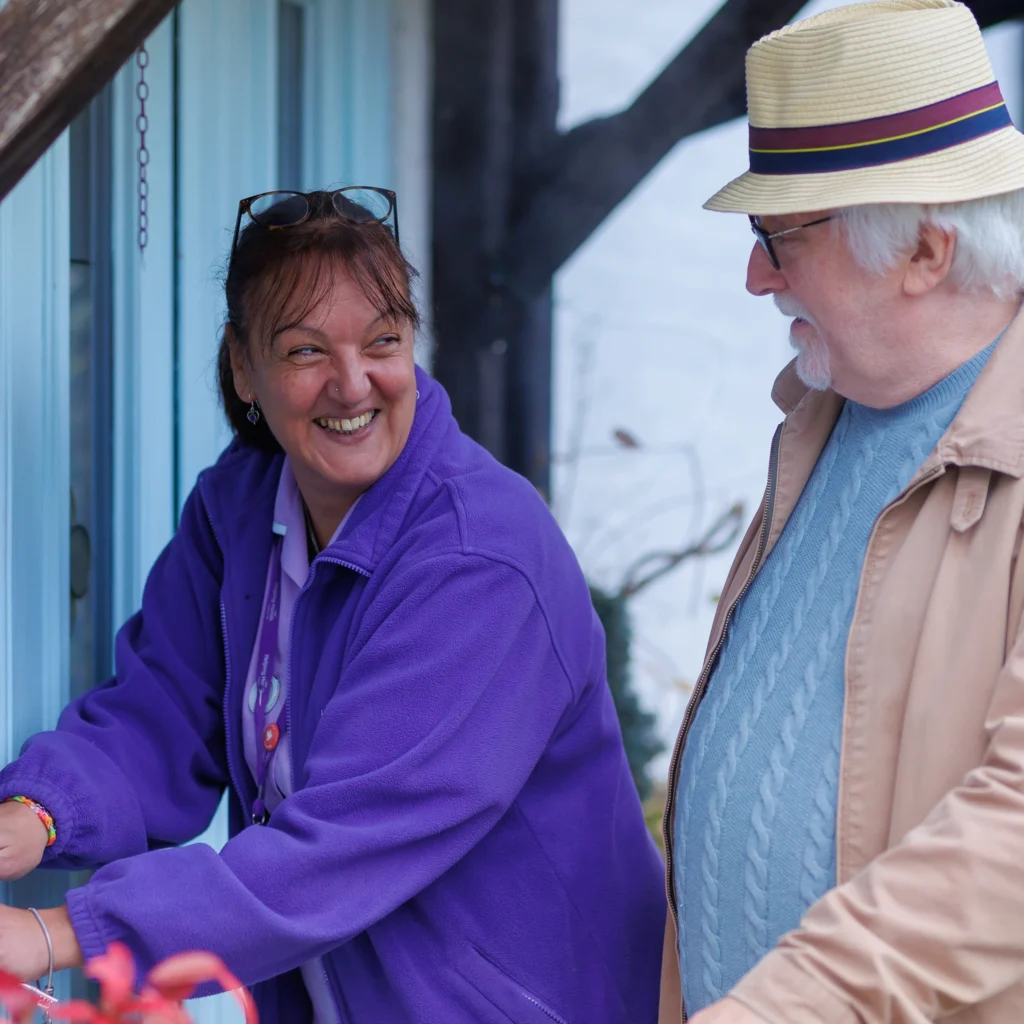
Living with schizophrenia can present daily challenges, but with the right treatment, support, and self-care, many people lead fulfilling and independent lives. Building a strong support network, attending regular appointments, and recognising early warning signs of relapse can help individuals manage their symptoms effectively. Support is available through organisations such as Mind UK and the Schizophrenia Research Fund provide practical advice, information, and emotional support for people living with schizophrenia and their families.
Alongside this, access to consistent care and understanding from professionals, carers, and the wider community can make a significant difference. Practical support with daily routines, social connection, and crisis planning can all help customers feel more stable and confident in managing their condition over time. Your Helping Hands carer can be there for you to help with managing daily life. While we’re not specialists in mental health care, we can help with everyday tasks such as housekeeping, mobility assistance, meal preparation, and companionship. We’ll do all we can so you can continue living well in the home and community you love.

How to support someone with schizophrenia
Encourage understanding and patience
Schizophrenia can affect how a person thinks, feels, and experiences the world. Taking time to learn about the condition can help you better understand their challenges. Be patient, listen without judgement, and remember that recovery is a personal journey that may involve both progress and setbacks.
Offer practical and emotional support
Small acts of support can make a meaningful difference. Encourage your loved one to attend appointments, follow their treatment plan, and maintain healthy daily routines. At the same time, provide emotional reassurance by being available to talk and offering consistent encouragement.
Help them stay connected
Social isolation can have a significant impact on wellbeing. Encourage participation in community activities, support groups, hobbies, or time with family and friends. Maintaining positive social connections can help build confidence, reduce loneliness, and support recovery.
What to say and how to help
Offering reassurance, being patient, and encouraging them to seek or continue professional support can make a real difference.
When supporting someone with schizophrenia, it’s important to speak calmly, listen without judgement, and avoid arguing about their experiences, even if they seem confusing or unusual. Practical help, such as accompanying them to appointments, supporting daily routines, or checking in regularly, can also be very valuable. At Helping Hands, we can provide tailored home care and companionship support, helping those with schizophrenia to maintain independence, stay safe, and feel more supported in their day-to-day life while living with a mental health condition.

Common symptoms
Positive symptoms are experiences added to reality, and negative symptoms are reduced functioning.
The NHS states that schizophrenia can develop slowly and the first signs of the condition often develop during adolescence. Here are the most common symptoms often assoicated with schizophrenia:
How Helping Hands supports people living with schizophrenia
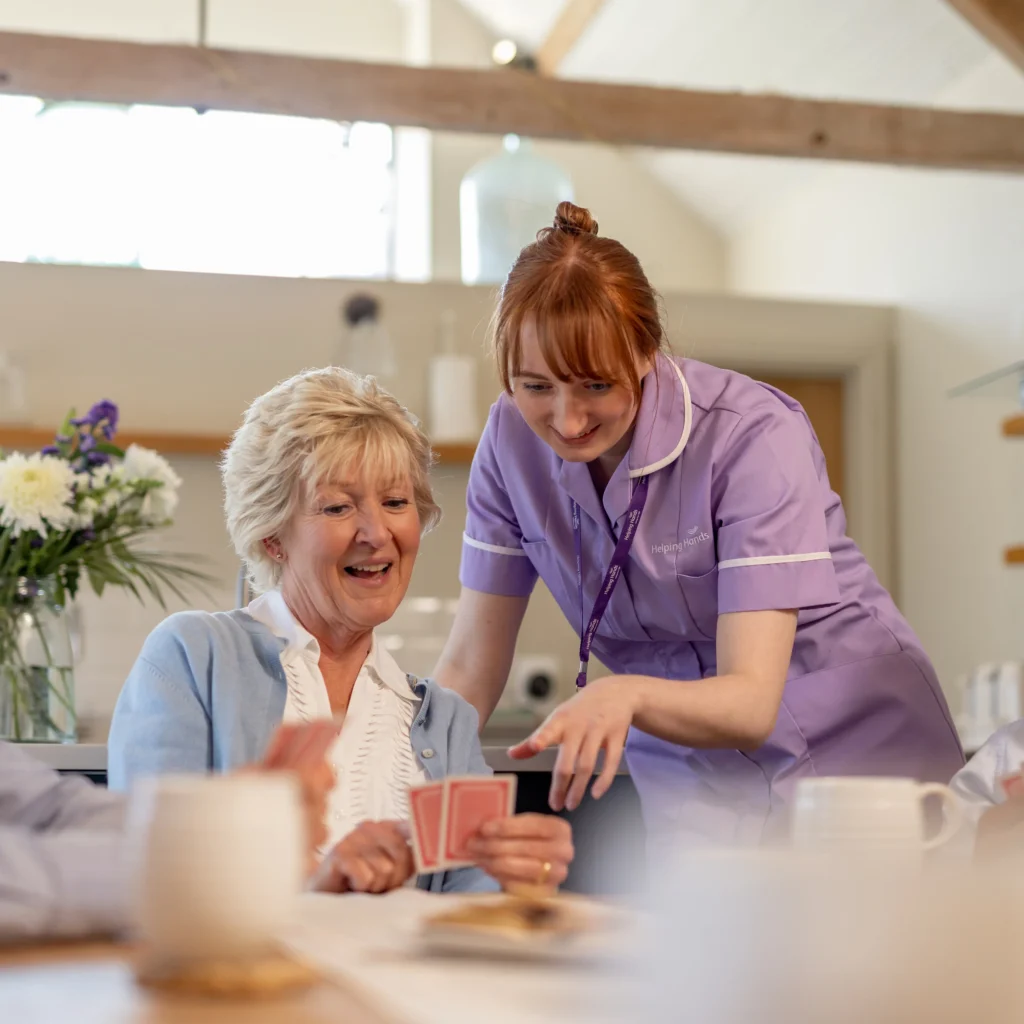
At Helping Hands, we take pride in our ability to adapt to your needs. We can offer expert home care on a live-in, visiting or respite basis.

Visiting care
Live-in care
A fully regulated home care provider
Here at Helping Hands, our service is regulated by the Care Quality Commission (CQC) and the Care Inspectorate Wales (CIW).
This means we need to consistently meet high standards and are monitored by our regulators.