Living with arthritis: a practical guide for families and loved ones

Understanding arthritis and how it affects daily life
Arthritis is a common condition that causes joint pain, stiffness, and inflammation, affecting millions of people across the UK.
Rather than being a single illness, arthritis describes more than 100 different conditions, with osteoarthritis and rheumatoid arthritis being among the most common. Symptoms can range from mild discomfort to persistent pain that affects mobility and independence. Everyday activities such as getting dressed, preparing meals, climbing stairs, or opening jars may become more difficult, particularly during flare-ups. Arthritis can also impact sleep, energy levels, and emotional wellbeing, making it much more than just a condition affecting the joints. While there is currently no cure for most forms of arthritis, early diagnosis, appropriate treatment, regular physical activity, and practical support can help people manage their symptoms and continue living active, independent, and fulfilling lives.

Managing daily routines
Managing arthritis can make everyday activities more challenging, but small changes to daily routines can often have a big impact on comfort, mobility, and overall wellbeing.
Taking regular breaks, using assistive equipment, staying as active as possible, and planning tasks throughout the day can all help reduce strain on the joints while conserving energy. Finding the right balance between activity and rest is key to managing symptoms and maintaining independence.
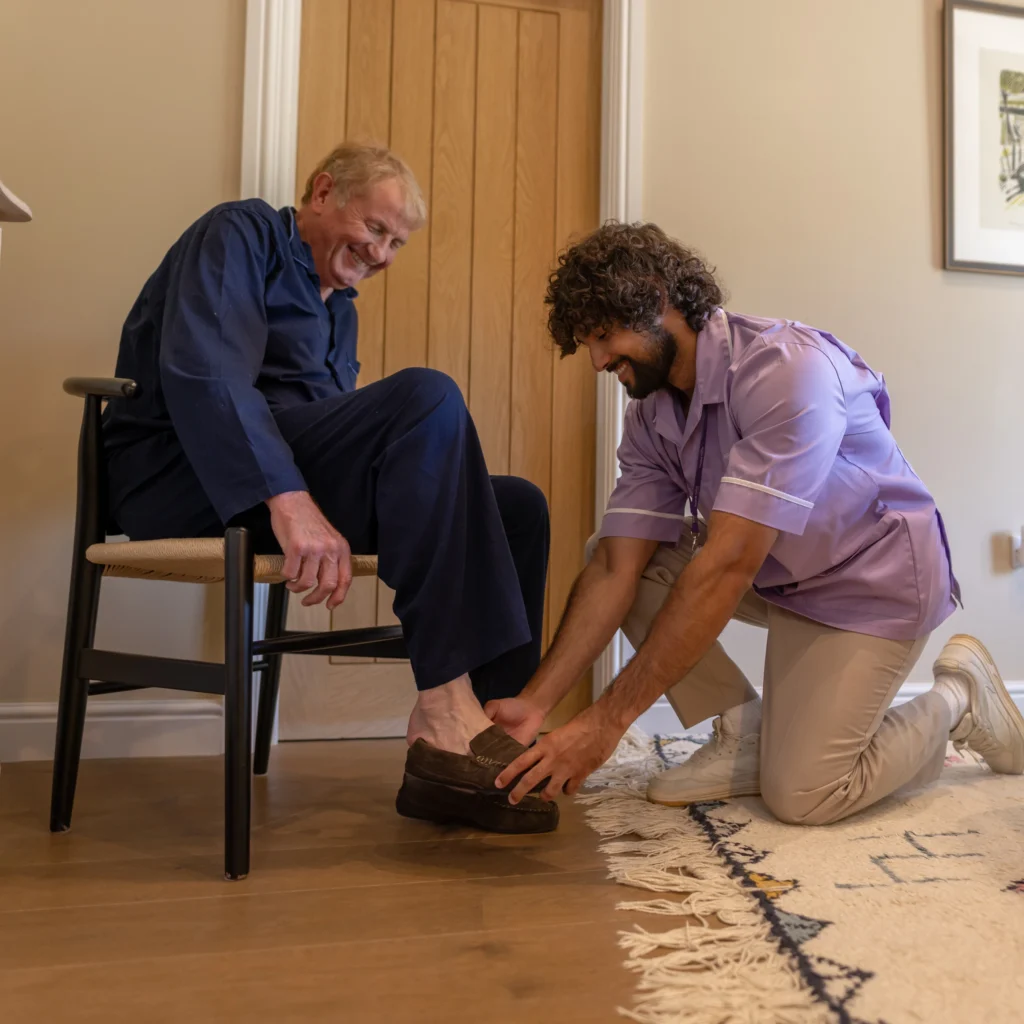
There may come a time when a little extra support can make daily life easier. At Helping Hands, our mobility care provides compassionate, practical assistance tailored to each customer’s needs, whether that’s helping them move safely around the home, getting in and out of bed, supporting personal care, or preparing meals. With personalised care delivered in the comfort of home, we help people living with arthritis feel more confident, remain as independent as possible, and continue enjoying the routines and surroundings that matter most.

Common symptoms and day-to-day challenges
Joint pain, stiffness and swelling
The most common symptoms of arthritis are persistent joint pain, stiffness and swelling, which can affect the hands, knees, hips, feet or other joints. Many people notice symptoms are worse first thing in the morning or after periods of rest, making it harder to move comfortably throughout the day.
Reduced mobility and everyday tasks
As arthritis progresses, reduced flexibility and joint movement can make everyday activities more challenging. Tasks such as getting dressed, preparing meals, climbing stairs, carrying shopping or opening containers may require extra time or assistance, impacting independence at home.
Fatigue and emotional wellbeing
Many people with arthritis also experience ongoing fatigue, particularly during flare-ups or when living with chronic pain. Coping with daily discomfort can affect mood, sleep and confidence, making emotional support and effective symptom management an important part of living well with arthritis.
Treatment, care and professional support
There is no single treatment for arthritis, and the most effective approach often combines several therapies to reduce pain, improve mobility, and maintain independence.
Treatment will depend on the type of arthritis, the severity of symptoms, and an individual’s overall health, but the following are the six main approaches commonly recommended in the UK.
Equipment, home adaptations and practical aids
Try these suggestions on how to make your home more arthritis-friendly:

Emotional wellbeing and mental health
Living with arthritis can affect both your physical and emotional wellbeing. Persistent pain and reduced mobility can impact your mood, so it’s important to seek support when needed. Your GP, the NHS, and Arthritis UK all offer advice and support to help you manage your mental wellbeing.
Work, money and benefits
Arthritis can make it harder to work or manage everyday expenses, but support is available. Depending on your circumstances, you may be eligible for financial support such as Personal Independence Payment (PIP) or Attendance Allowance. You can find more information through GOV.UK and Arthritis UK.
Planning ahead
Living with arthritis can change over time, so planning ahead can help you stay as independent as possible. This may include considering home adaptations, future care needs, and the level of support you may require as symptoms progress. You can learn more about our tailored care options through Helping Hands’ home care services and live-in care.
When to get medical help
It's important to seek medical advice if you notice your arthritis symptoms becoming more severe or changing over time.
This may include increased joint pain, swelling, stiffness (particularly in the morning or after periods of rest), reduced mobility, or joints that feel warm, tender, or inflamed. You should also speak to your GP if you’re finding everyday activities such as walking, climbing the stairs, getting dressed, cooking, or using your hands more difficult than usual.
If you’re experiencing frequent flare-ups, persistent fatigue, or your current treatment is no longer providing the same level of relief, it’s worth arranging a review with a healthcare professional. Early assessment can help identify whether your treatment needs adjusting, provide access to additional therapies or support from your carer, and reduce the risk of further joint damage, helping you stay as active and independent as possible.

Arthritis support with Helping Hands
At Helping Hands, we take pride in our ability to adapt to your needs. We can offer expert home care on a live-in, visiting or respite basis.

Visiting care

Live-in care
A fully regulated home care provider
Here at Helping Hands, our service is regulated by the Care Quality Commission (CQC) and the Care Inspectorate Wales (CIW).
This means we need to consistently meet high standards and are monitored by our regulators.