Blood Cancer Awareness Month 2026: signs, support and how to help
What is Blood Cancer Awareneness Month?
Blood Cancer Awareness Month takes place every September and is dedicated to raising awareness of blood cancers, including leukaemia, lymphoma and myeloma.
The month aims to bring awareness to spotting the signs of blood cancer early on and supporting those affected, raising funds for life-saving research. Blood cancer is the fifth most common cancer in the UK and the third biggest cancer killer, yet awareness remains relatively low in comparison to other cancers. Blood Cancer Awareness Month is a chance to change that through sharing stories, raising awareness and encouraging people to speak to their GP about persistent symptoms such as unexplained tiredness, frequent infections, unusual bruising or swollen lymph nodes. Some good resources to use to find out more about blood cancer include Blood Cancer UK and Macmillan Cancer Support.
When is Blood Cancer Awareness Month 2026?
Blood Cancer Awareness Month is held every September.
The month is used to raise the profile of blood cancer, which doesn’t get the same level of attention, both within every day life and the media, than other forms of cancer do. Each year, people living with blood cancer, their families, charities and those working in the community come together to raise awareness, share experiences and show their support. It’s also an opportunity to highlight the importance of recognising symptoms early and supporting vital research.

What is blood cancer?
Leukaemia
Leukaemia is a type of blood cancer that affects the blood and bone marrow, where blood cells are made. It causes the body to produce abnormal white blood cells that cannot fight infection properly. Common symptoms include fatigue, frequent infections, unexplained bruising or bleeding, and persistent fever.
Lymphoma
Lymphoma is a blood cancer that develops in the lymphatic system, which is part of the body’s immune system. It occurs when lymphocytes (a type of white blood cell) grow uncontrollably. Symptoms can include swollen lymph nodes, night sweats, unexplained weight loss, persistent tiredness, and a high temperature.
Myeloma
Myeloma, also known as multiple myeloma, is a blood cancer that affects plasma cells in the bone marrow. These abnormal cells build up and interfere with the production of healthy blood cells, often causing bone pain, tiredness, recurring infections, and kidney problems. While there is currently no cure, treatments can help manage the condition and improve quality of life.
Signs and symptoms to look out for
The signs and symptoms of blood cancer can vary depending on the type, and many are similar to those of less serious illnesses. However, if symptoms persist, worsen or are unusual for you, it is important to seek medical advice. Recognising the signs early can help lead to a quicker diagnosis and access to treatment. Common symptoms include:

Who is affected by blood cancer?
Blood cancer can affect people of all ages, including children, teenagers and adults, although some types are more common in older people.
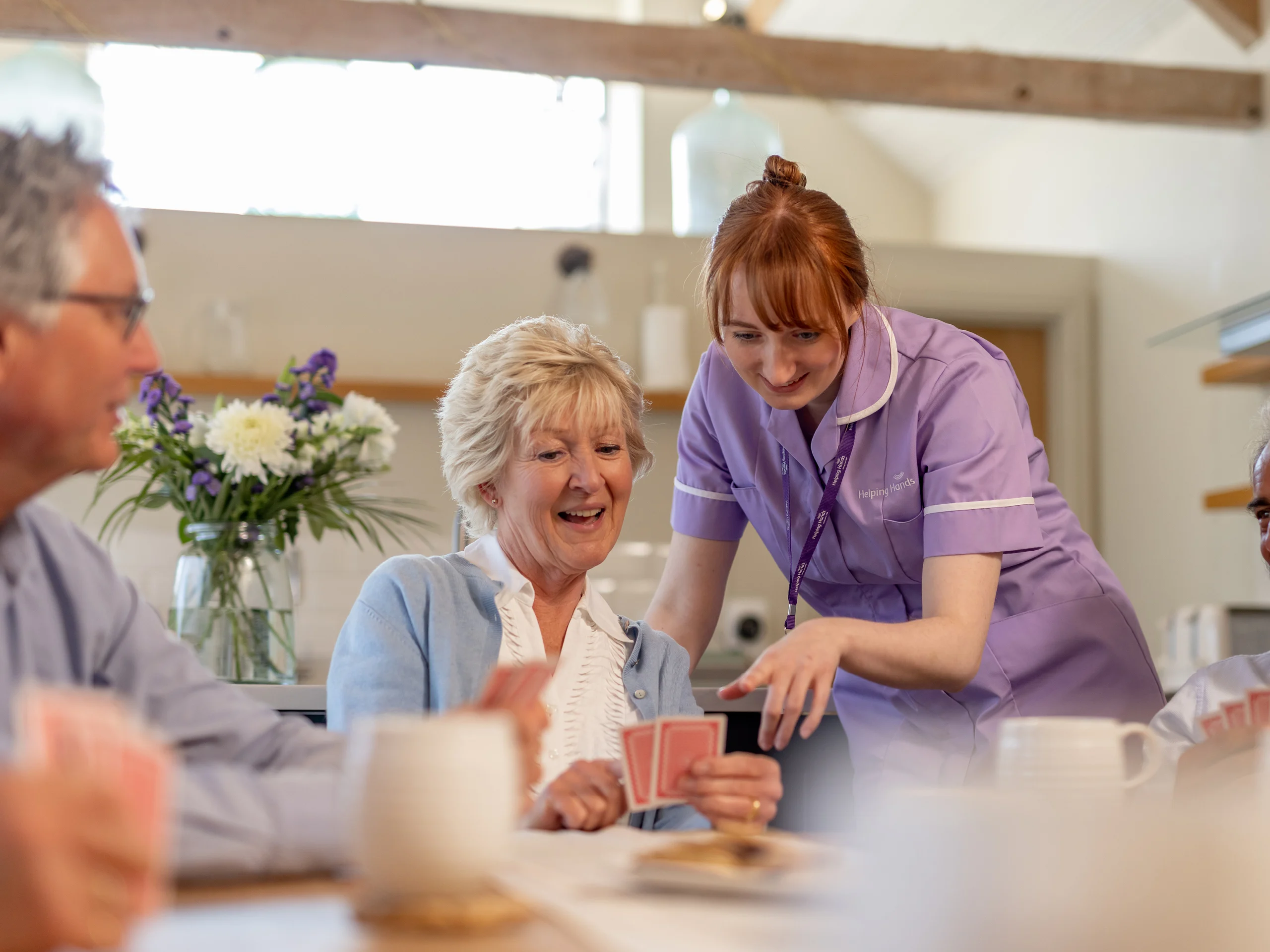
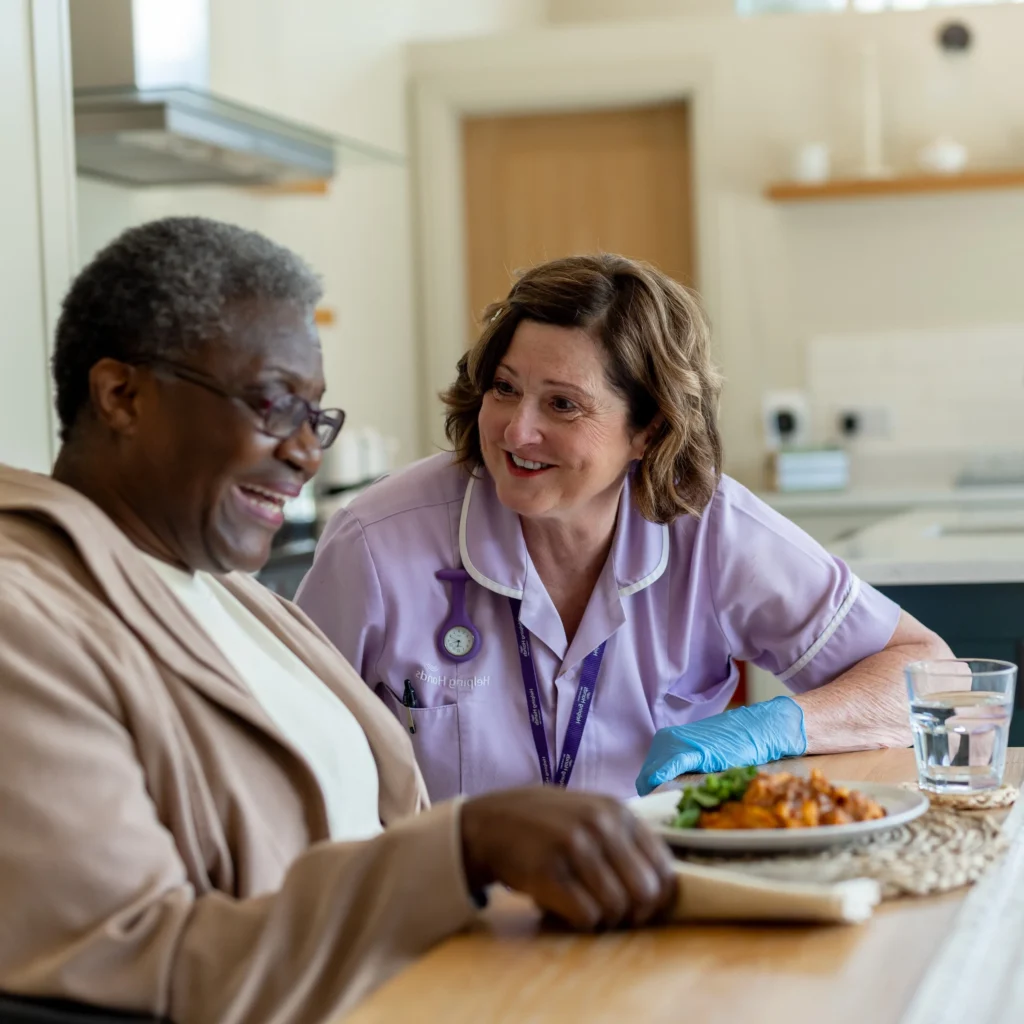
Cancer sadly can develop in anyone, regardless of gender or background, and often occurs without a clear cause. While certain factors, such as age, family history, or previous cancer treatments, may increase the risk of developing some blood cancers, many people diagnosed have no known risk factors. This is why raising awareness of the symptoms and encouraging early diagnosis is so important. Your Helping Hands carer can be there for you throughout your cancer journey, whether that’s by simply helping with housekeeping, preparing healthy and nutritious meals, or taking care of your more clinical needs such as medication adminsteration.
Supporting someone living with blood cancer at home
Help with everyday tasks and personal care
Living with blood cancer or undergoing treatment can make everyday activities more difficult. Helping with household chores, preparing meals, shopping, or providing support with personal care can ease daily challenges and help someone maintain their comfort, dignity and independence.
Managing fatigue and reduced immunity
Fatigue is one of the most common symptoms of blood cancer and its treatment. Encouraging regular rest, helping to pace daily activities, and creating a clean home environment can make a significant difference. Good hygiene practices and avoiding contact with people who are unwell can also help reduce the risk of infection for those with weakened immune systems.
Emotional and practical support
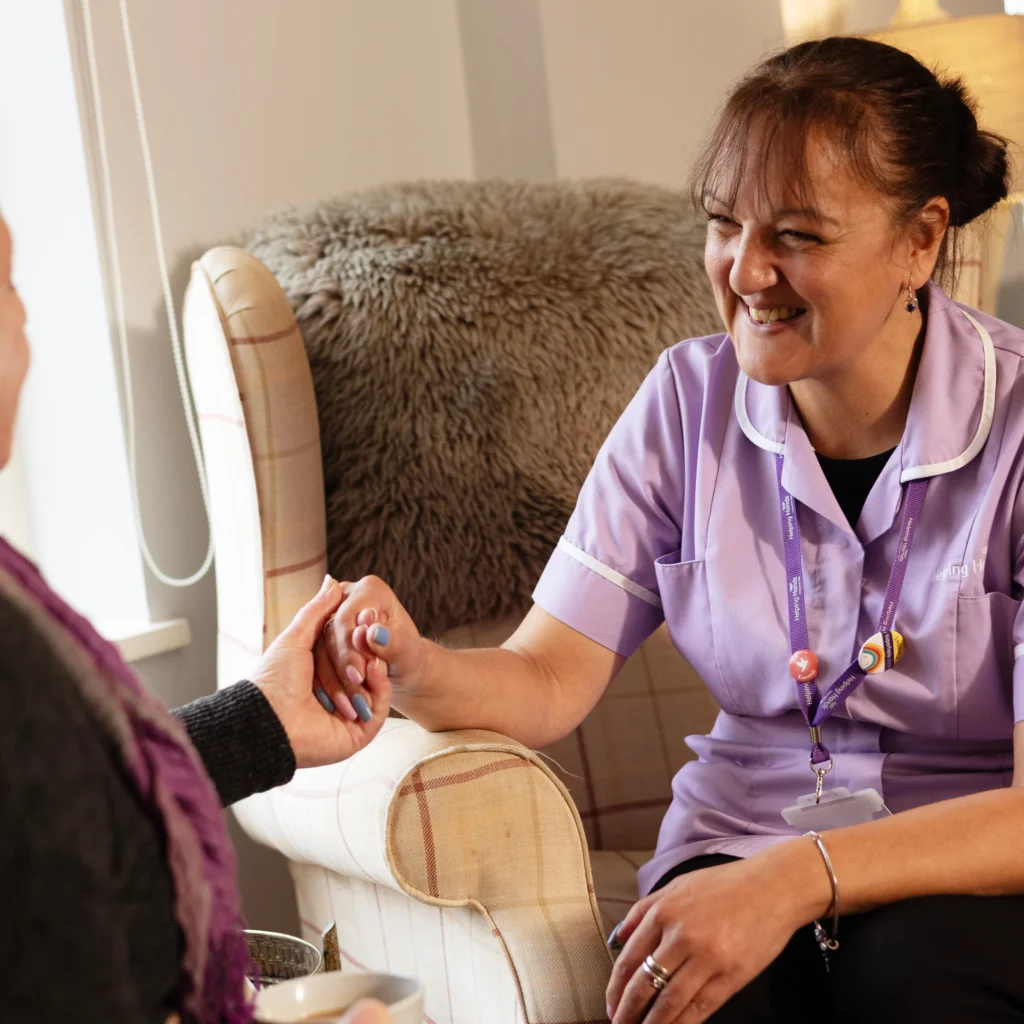
A blood cancer diagnosis can have a significant emotional impact on both the individual and their family members. Taking time to listen, offering reassurance, accompanying someone to appointments, or helping them access support services can provide valuable comfort. Small acts of kindness and support can make living with blood cancer feel less overwhelming.
How to get involved and raise awareness
There’s always something you can do that makes a difference, whether that’s big or small.
If you or someone you know has been affected by blood cancer, you might want to consider doing something to help, any way you can. If that sounds like you, you’re in luck! Blood Cancer UK is a good resource for ideas of the types of things you can try. Starting easy, you can give money to a blood cancer charity that will use your funds to further research or help those living with the condition. Or, if you fancy being a little more proactive, you can take on events and challenges that raise money. Such as, the London Marathon or the London to Brighton Bike Ride. Alongside this, you can also volunteer or give time and work with people with the disease. All these ideas are fulfilling and actionable ways you can get involved and raise awareness.
How Helping Hands supports people living with blood cancer
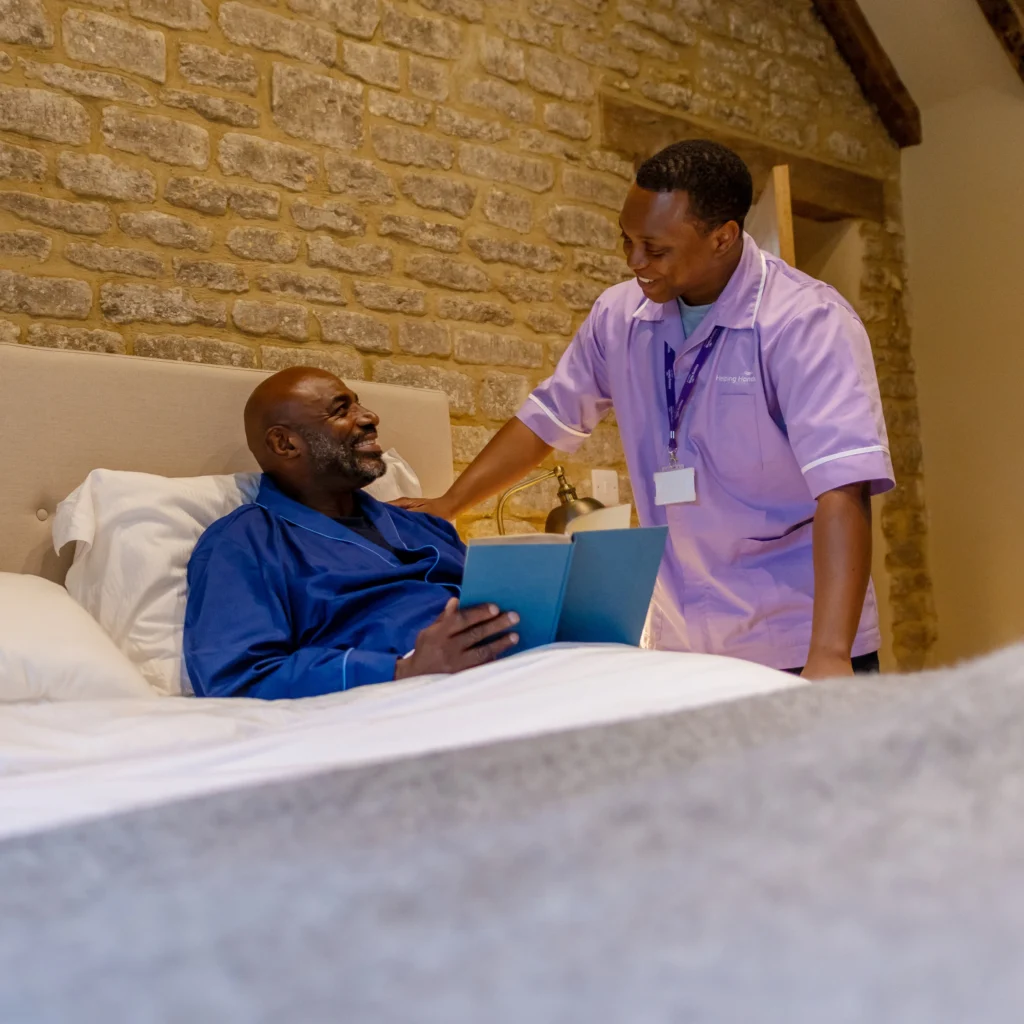
At Helping Hands, we take pride in our ability to adapt to your needs. We can offer expert home care on a live-in, visiting or respite basis.

Visiting care
Live-in care
A fully regulated home care provider
Here at Helping Hands, our service is regulated by the Care Quality Commission (CQC) and the Care Inspectorate Wales (CIW).
This means we need to consistently meet high standards and are monitored by our regulators.