


Palliative Care at Home vs Hospice Care: Support in the Final Months

What is palliative care?
Palliative care, the NHS tells us, “aims to make you as comfortable as possible by managing your pain and other distressing symptoms.” It is delivered to people who have a terminal illness and “involves psychological, social and spiritual support for you and your family or carers.”
At Helping Hands we specialise in holistic care, because we’ve always believed in the whole person approach; this means that we don’t believe care is only physical or that you’re defined by your illness. We provide palliative care that encompasses the physical, spiritual and emotional, on both a visiting and live-in care basis, all fully regulated by the Care Quality Commission and the Care Inspectorate Wales.
What's the Difference Between Palliative Care and Hospice Care?
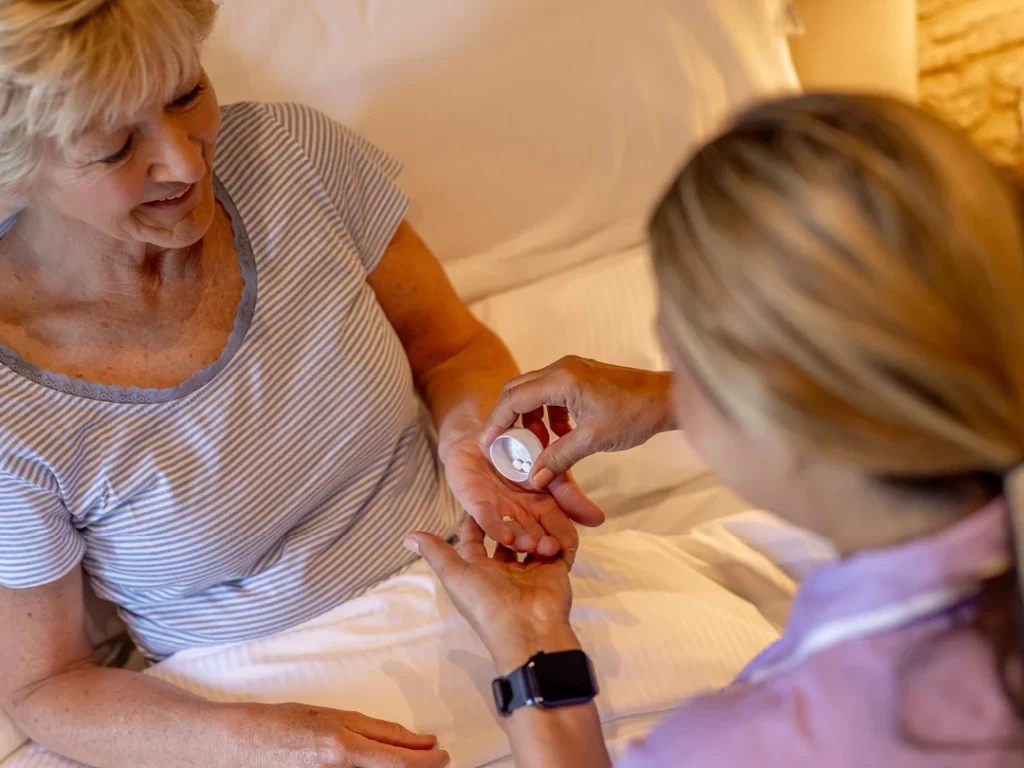
It’s accurate to say that all hospice care would be considered palliative care, but not all palliative care is hospice care. Many people who are on a palliative care journey presume that when they near end of life their only option would be to leave the home they love, but that’s not the case. While hospices generally offer a more holistic approach to care than a hospital setting, due to the fact they are operated solely for people who are living with a life-limiting condition, the most holistic option would be to remain in your own home to manage symptoms, receiving one-to-one care that cannot be delivered in an environment where staff are responsible for more than one person at a time.
Palliative care at home
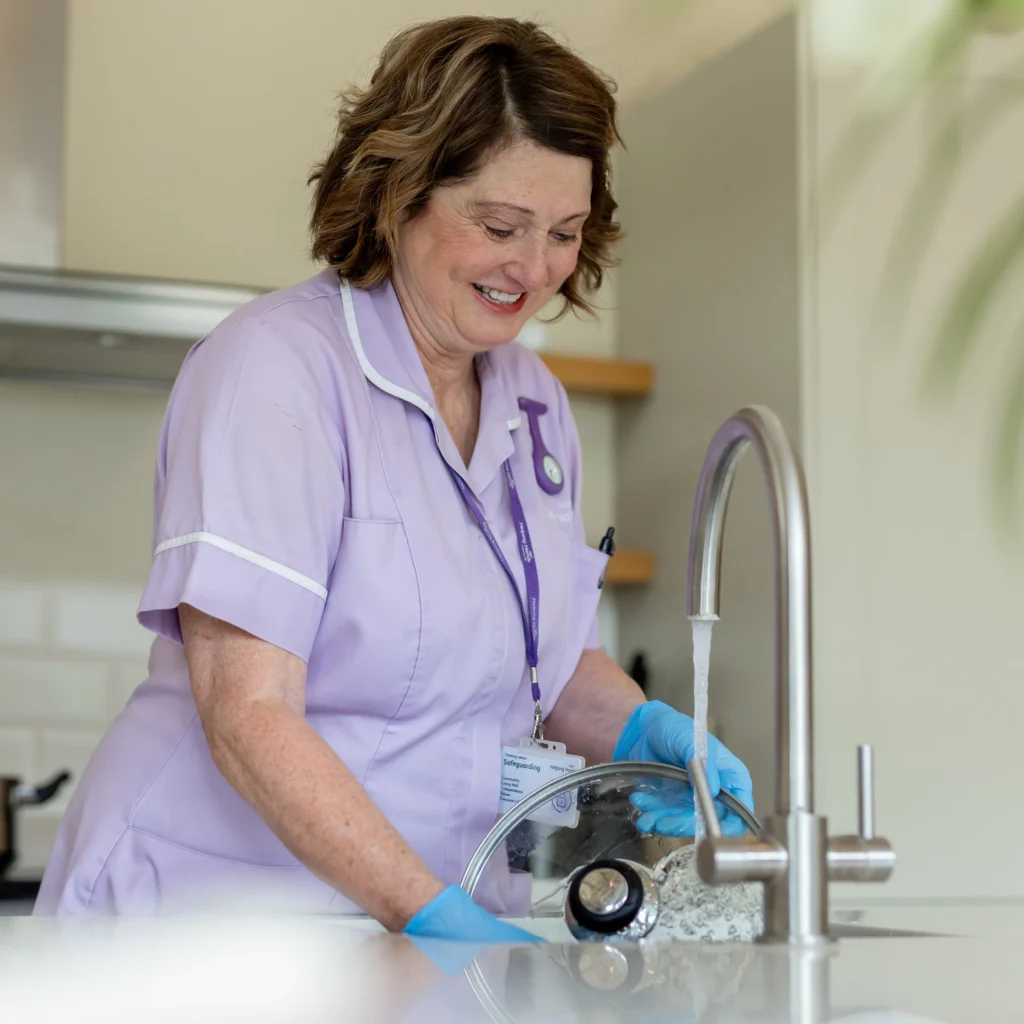
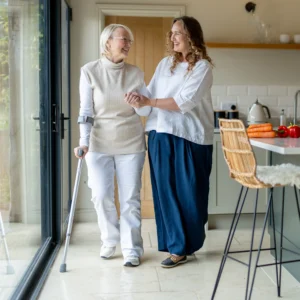
If you choose palliative care at home from Helping Hands, you will have compassionate, well-trained carers available who will work tirelessly to support you every day. Palliative care at home maintains your quality of life for as long possible, by ensuring you receive treatments and therapies while enjoying your familiar surroundings.
What palliative care at home involves
Palliative care at home involves a personalised care plan, based on your needs, preferences, and routine. Whether you require us once a week, every day, or around the clock, we’ll ensure your practical and emotional needs are always supported.
Staying in familiar surroundings
It can be hard to learn that you require palliative care, especially the uncertainty of what the future will hold; however, knowing you’ll be able to continue living in your home, with the people and pets you love, will help to reduce anxiety.
Support for family members as well
Palliative care means so much more than just physical support. We help the ‘whole person’ – both for you and your loved ones. Our compassionate care also helps your family members come to terms with what the future will bring for you all.
Hospice Care
Marie Curie are one of the UKs leading charities for people with a life-limiting condition, and they describe their hospice care as “a caring, dignified environment.” Everyone who is contemplating hospice care wishes to be treated with dignity, and that’s what we at Helping Hands work tirelessly to help you achieve. Whether you decide to remain at home for your care or not, you should always seek support from an organisation who put your dignity and wellbeing at heart.
What hospices provide
Hospices provide nursing and medical treatment in a specialised palliative care environment. They focus on ensuring that their patients approach the end of their lives with dignity, while also providing day services for people who are living with life-limiting conditions.
When hospice care may be the right choice
Everyone deserves the right to choose where they receive care and to ‘die well’. Some people may decide that hospice care at home isn’t the right choice for them because they want their family to be able to ‘switch off’ and not be in a medical environment after visiting them.
Comparing Your Options
Only you can decide which option for care would suit you best, and you and your loved ones will have very specific ideas about where you should receive support. You may presume that you’ll get a more specialised level of palliative care in a hospice setting but that’s not the case; palliative care at home also offers unrivalled levels of support.
Where care takes place
Hospices are designed to support your palliative care journey – which could last for months or even years – on an outpatient basis, before you become resident for the end of your life, so why not continue living at home and access palliative hospice support on a day basis? That way you get the benefit of both options.
Who provides the care
Highly trained staff provide palliative care, whether you have it at home or in a hospice setting. We have our own team of clinical nurses who manage our more complex packages of care, and they ensure that our very best carers are trained to support our palliative and end of life customers.
Costs and funding
We have a dedicated costs and funding page that can help you understand your options. Costs will depend on how much support you need, and we can help you to make sense of how your care would progress for the budget you have. You may be eligible for NHS Continuing Healthcare funding too.
Making the Decision as a Family
You and your loved ones will have a lot to talk about when you’re considering palliative care. It won’t always be easy, however you will want to make the decision as a family, while ensuring that you get the final choice. Ultimately, you’ll want to know their feelings on your decision, whether it’s about proximity, location, or cost. Taking time to sit down and discuss things calmly will make the process much easier for you all. Try to avoid emotive language and if things become heated, change the subject and come back to it later. You’ll all have an opinion and it’s important to remain supportive of each other.

How Helping Hands Provides Palliative Care at Home
Our amazing carers can deliver palliative care for you on both a visiting and live-in care basis. We tailor your care to the individual, and provide all aspects of your routine, such as medication support, personal care, meal preparation, and mobility assistance. Crucially, we also provide emotional support, whether you feel like having a chat, would like to attend day services at your local hospice, or just want to go shopping. Our carers across England and Wales support so many people every day to provide essential care as their only provider, or to give family caregivers some essential time away.
Types of palliative care at home
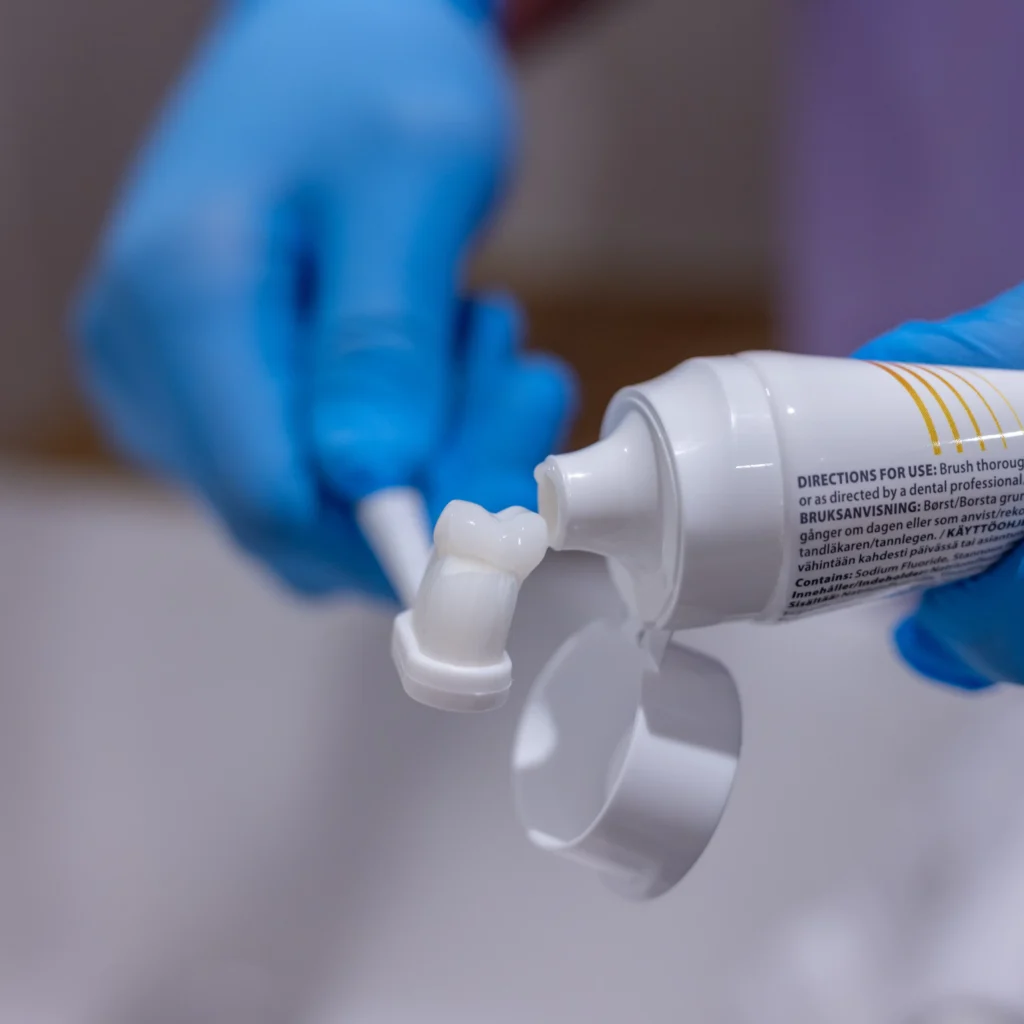
At Helping Hands, we’re able to offer palliative care on a visiting and live-in care basis, with every aspect of your care being independently regulated and monitored.
Visiting care
Live-in care
Palliative care versus hospice care
You can remain in the comfort of your own home
You have full control over your meal times and preferences
One-to-one, 24-hour care from your own dedicated carer
You can continue with your preferred lifestyle and routines
Your friends and family can visit as much as they like
Palliative care vs Hospice Care FAQs
We support people in their own homes living with a range of conditions, including cancer, dementia, Parkinson’s disease, motor neurone disease, multiple sclerosis, heart failure, and COPD.
Our experienced palliative care teams are trained to provide high-quality, person-centred support. We work closely with our customers’ families and wider healthcare teams to ensure every aspect of care is delivered with dignity and compassion.
If you’re living with a life-limiting condition then both options will deliver exceptional care, however remaining in your own home will mean you’ll receive personalised, one-to-one care that you can’t hope to receive in a location where care staff are responsible for more than one person. You’ll still receive curative treatments if you’re living at home, just as you would in a hospice setting, focussed on managing symptoms.
Both palliative and hospice care at home put the emphasis on comfort, dignity, and support, for patients and their families. While palliative care at home focusses on helping you to live your normal routine as well as possible, when you move towards end of life, hospice care at home will ensure your dignity continues to be at the centre of everything your carers do.
We’re proud that all of our home care services are fully regulated by the Care Quality Commission and Care Inspectorate Wales. This puts Helping Hands above many other care companies and all care agencies when it comes to consistent high standards. We manage and run all of our 155 branches in the UK, meaning wherever you are in England or Wales you’ll receive the same high quality care delivery.
Page reviewed by Zoe Fry, Regional Clinical Lead, on August 12th 2026.
How we wrote this page
This page has been produced referencing key insights and data from external experts, trusted medical sources and our team of in-house specialists. We have worked hard to ensure that all information is as accurate as possible and reflects current consensus at the time of writing and reviewing.