Cost of hospice care

What is hospice care at home?
Hospice care at home provides you with end-of-life care in the comfort of your own home.
When you’re living with a life-limiting or terminal illness, you may have the option to go into a hospice when it becomes clear that you’re approaching the end of your life. For people who would rather be in their own home as the end approaches, there is the option of hospice at home – palliative and end-of-life care delivered by compassionate and experienced carers.
At Helping Hands we’ve been caring for people as they approach the end of their life since we were founded in 1989, so it’s clear to see why at such an emotional moment, people trust us to be there. Our private carers will support you with every aspect of your care journey including managing symptoms, pain relief, reducing stress and emotionally supporting your loved ones.
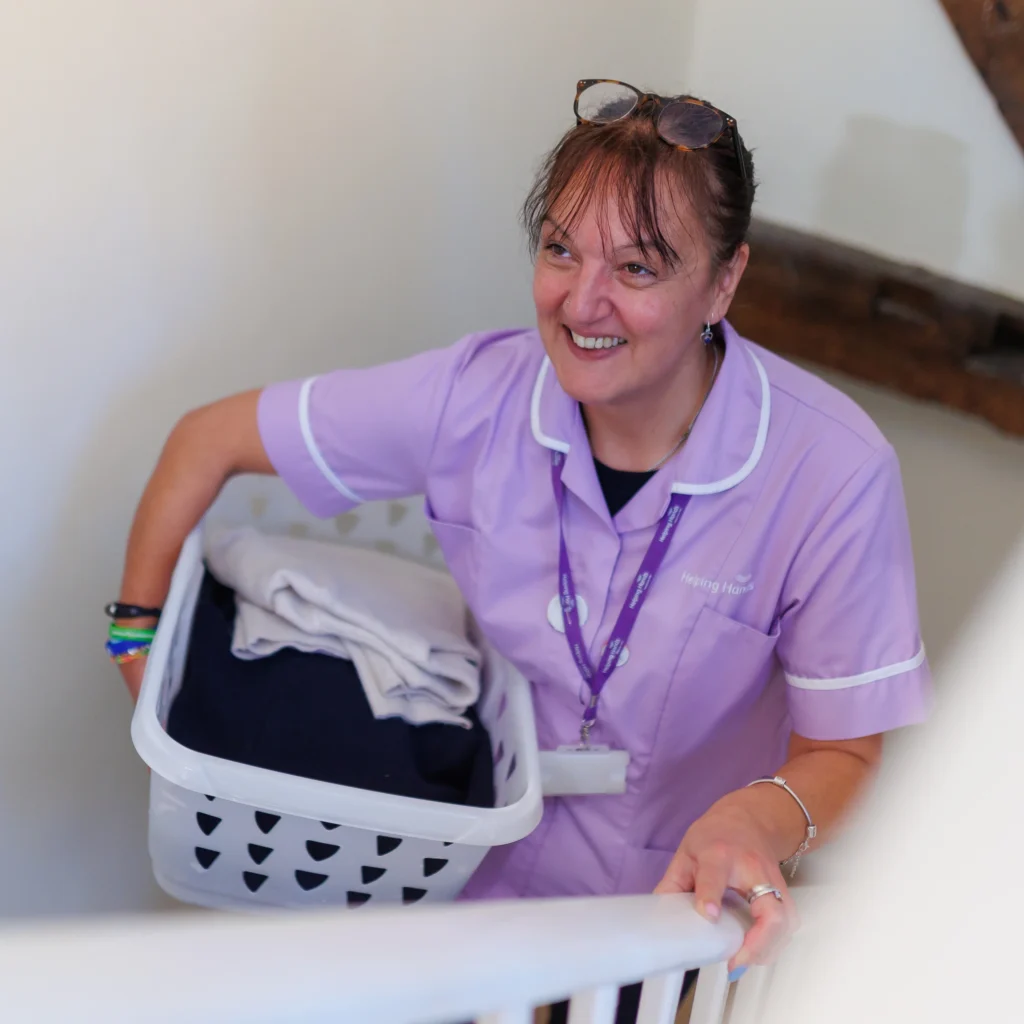
Hospice care at home can include several different types of care:
Palliative care
After a terminal diagnosis, palliative care helps you manage your symptoms and continue living on your own terms
End-of-life care
Dedicated care for the final weeks of life, focusing on pain management and maintaining your dignity and comfort
Condition-led care
Our carers are expertly trained to support those with straightforward and complex medical conditions
Live-in care
Have a carer stay with you in your home and provide you with round-the-clock support
Respite care
A short-term support option that allows your regular caregiver to take a break from their responsibilities
Dementia care
Every Helping Hands carer receives our industry-leading dementia care training on a regular basis
How much does assisted living cost?
We’ll be able to provide you with a specific quote once your local care team have had the opportunity to meet you, but here’s a guide to our fees for assisted living:

Visiting care costs

Live-in care costs
Daily cost of care
Live-in care can be arranged on a daily basis if you only require it for a short period of time.
Respite care can be arranged on a live-in daily basis if you need support while your family member takes a break, or if you need live-in care for just a week or two as you approach the end of your life. We will create a bespoke support plan and quotation for you – however, as a rough idea, the cost of a minimum two-week package of live-in care would start from £1,675 per week. This would see a dedicated live-in carer reside in your home, plus the services of a local manager to coordinate your support.
Paying for hospice care
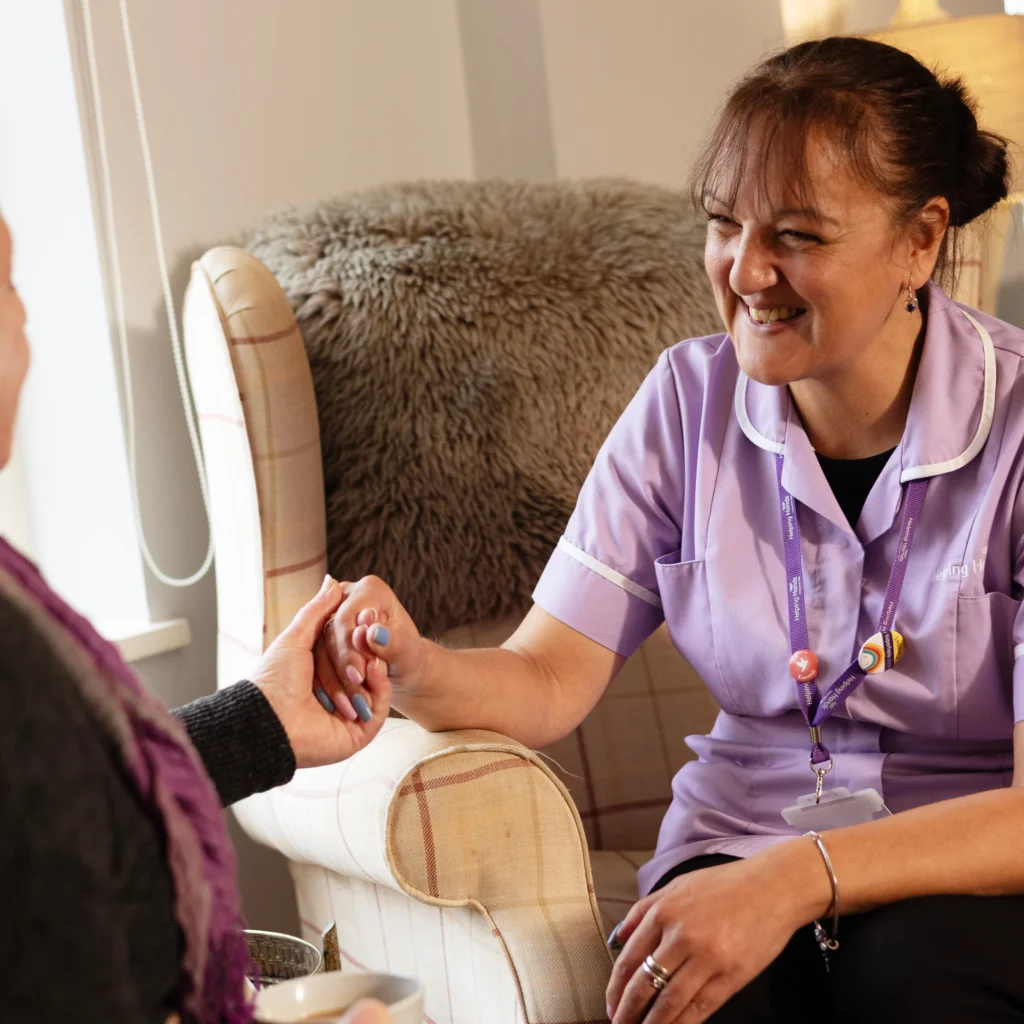
The majority of our families pay privately for their care. However there may be care funding available from your local authority, if you meet certain criteria.
We will work with the funding body in question to ensure that you receive the care you need in a timely manner and spend the last of your days comfortably in the home you love.
We’ll do our best to keep things as straightforward as possible for you at all times, as we understand how stressful and emotional a time this is, for both you and your loved ones.

Transparent care prices
We pride ourselves on keeping our prices simple, upfront and transparent.
Because we’re not a care agency and never have been, you get the very best service from a private homecare company who have more than three decades of experience delivering the finest care standards in our customers’ homes.
Our friendly customer care team will be able to guide you through the process of funding your care and answer any questions you may have, so call them today to discover more. For your peace of mind, here are some of our pricing promises:

Possible funding options
There are several possible avenues to explore when seeking funding options for care.
Before paying for your care, it makes sense to talk through your options with an independent expert so you can be sure that you’re receiving all the benefits and payments that may be eligible for you.
People are often worried about the possibility of having to sell their home to pay for necessary care, and while there are savings and asset thresholds, it’s important to remember that for care within your own home your property’s value is not taken into account. Here are some suggested ways to help secure the funding you require:

Speak to a financial advisor
A sensible step would be to speak to an independent financial advisor who has care fee planning knowledge and experience
Ask for a Financial Assessment
Ask your local council for a Financial Assessment to see if you qualify for help towards your care costs
See our FAQs page
We also have a page of FAQs about paying for your care which may be helpful, also featuring information about benefits
Planning for hospice care
If you’re expecting to need hospice care, you may wish to start making plans in advance.
If you’re living with a life-limiting condition and you’re sure you want to be at home when the time comes for your palliative and end-of-life care, it’s never too early to begin putting things in place.
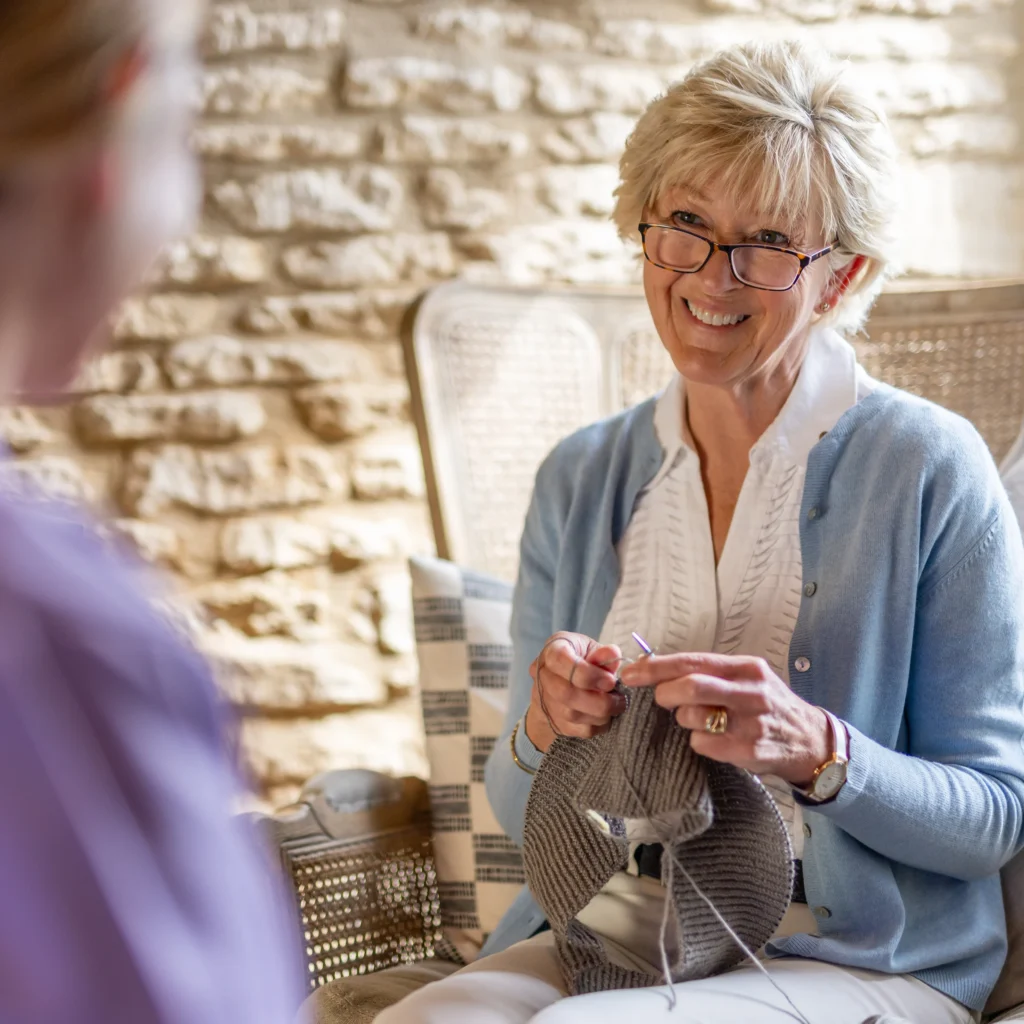
Having a carer alongside you, offering support and advice as you prepare for your final months, can provide an invaluable source of comfort, companionship and peacefulness as you make your plans. Some steps to consider taking are:
Discuss it with your loved ones
Ensure your loved ones know your wishes as you may not be able to communicate what you want to happen when the time comes
Talk to your solicitor
You may need to put something in writing to be sure that your wishes are respected when it comes to how you’d like to end your days
Prepare a comfy downstairs room
There are also practical considerations, such as making you comfortable in a downstairs room so that your mobility is not impeded
Arrange care
Ensure you’ve got a care plan in place that will provide you with the physical and practical help you’ll need in your final days
Seek emotional support
Our amazing carers will support you and your loved ones with the emotional aspects of your illness too
Practical arrangements
It can be helpful to have a plan for any practical matters that might arise, such as visiting plans and property maintenance
How to arrange hospice care
We try to make arranging care simple and stress-free so that we can focus on what really matters: your care needs. Speak to our team today to begin your journey.
Speak to our team
Our friendly, knowledgeable team can answer your questions and talk you through your options. We are available 7 days a week.
Book a free care assessment
Your local Helping Hands care manager will visit you to understand your needs and preferences and discuss how we can help. We can visit you at home, in hospital or even a care home to carry out the care assessment.
Confirm your care package
We create a tailored care plan for you to review. Once you’ve agreed the plan, we can organise care in as little as 24 hours.
A fully regulated home care provider
Here at Helping Hands, our service is regulated by the Care Quality Commission (CQC) and the Care Inspectorate Wales (CIW)
This means we need to consistently meet high standards and are monitored by our regulators.