Christmas decorations and home safety for older relatives
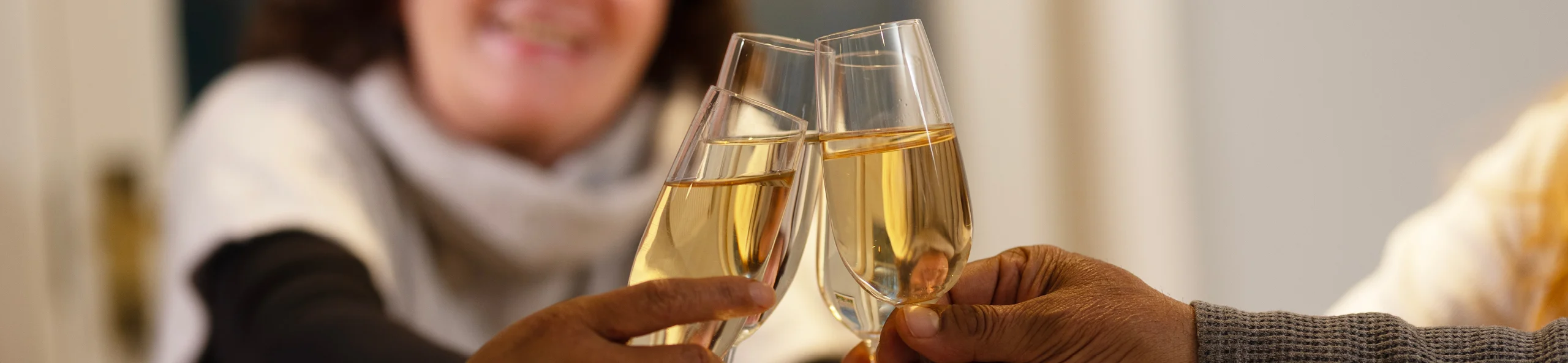
Staying safe when hosting guests
We all love Christmas and the chance to get together with those we love. Those receiving care should stay safe at home so they can celebrate alongside you to the max!
Christmas is a wonderful time to bring family and friends together, but having extra people in the home can create a few additional safety challenges for older family members. Try to keep hallways, doorways and walkways clear of coats, shoes, bags and presents to reduce the risk of trips and falls. Make your guests aware of any mobility aids, such as walking frames, and avoid moving furniture or everyday belongings that your family member relies on. If you’re hosting a Christmas party (we don’t blame you), allow plenty of space for everyone to move around comfortably and check that your older relative has a quiet place to rest if they become tired. A little extra thoughtfulness can help everyone enjoy a safe and happy time together – especially at Christmas! Our elderly care can help to make Christmas an extra special and stress-free occasion.
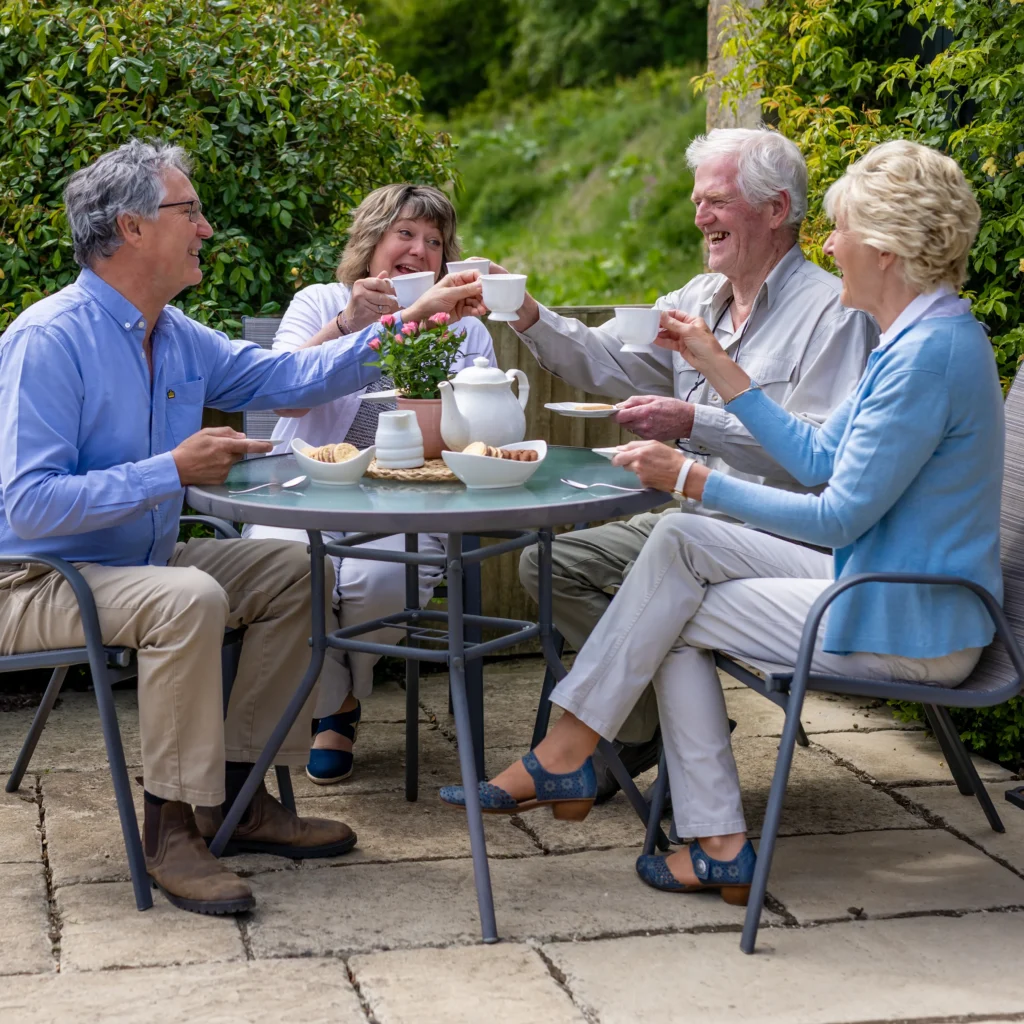
Putting decorations up safely
Getting decorations down from the loft
Getting Christmas decorations down from the attic or loft can involve climbing ladders, lifting heavy boxes and reaching awkward spaces, which can be understandably difficult for elderly people. Older family members should not take these risks but should allow a more able family member, or their Helping Hands carer, to do this instead, and keep decorations in easy-to-reach spaces.
Choosing a safe spot for the tree
When choosing where to put your Christmas tree, make sure it doesn’t block doorways, hallways or everyday walking routes. Keep it away from radiators, fireplaces and other heat sources, and ensure it doesn’t obstruct mobility aids. A Helping Hands carer can also help keep walkways clear and make sure the home you love remains safe throughout the festive season.
Fairy lights and electrical safety
Fairy lights create a festive atmosphere, but it’s important to use them safely. Check for damaged wires or faulty bulbs, avoid overloading plug sockets and keep cables tucked away to prevent trips and falls. Always switch off and unplug lights before going to bed or leaving the house. Battery-operated lights are a great alternative for extra peace of mind. Read some further guidance on electrical safety here.
Candles, fires and heaters
Candles, fires and heaters help keep homes warm and cosy during winter, but they need extra care around older relatives. Never leave candles unattended, keep them away from decorations and furniture, and consider flameless alternatives. Ensure heaters are kept away from clothing and soft furnishings, use fireguards around open fires and check that smoke alarms are working. The UK government has guidelines on fire safety at home here.
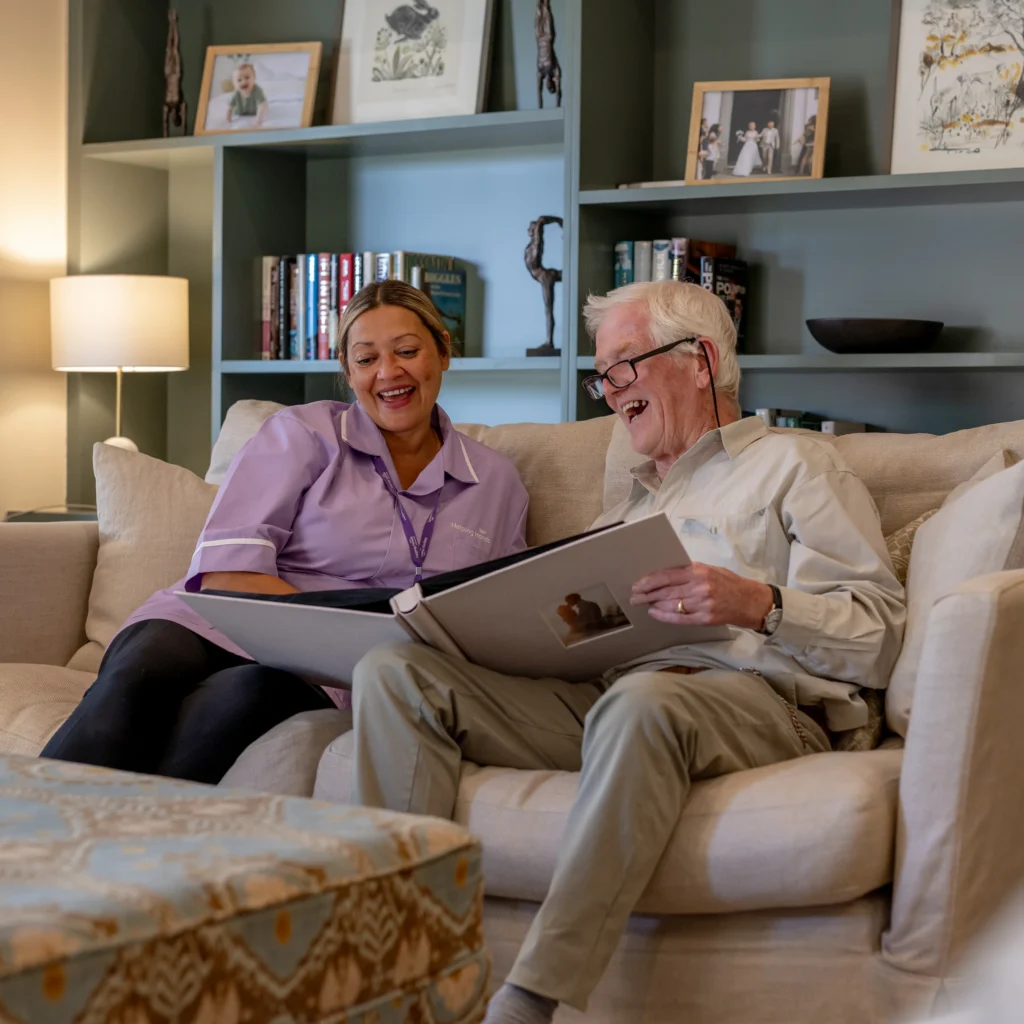
Keeping walkways clear
Moved furniture and loose rugs
When decorating for Christmas, try to keep furniture in its usual place wherever possible. Moving chairs, tables or other furniture can create unexpected obstacles for older relatives who are familiar with their usual surroundings. Check that rugs are secure and lie flat, as loose edges and curled corners can easily become trip hazards. Keeping walkways open and familiar can help prevent slips, trips and falls.
Presents and bags left out
Christmas presents, shopping bags and wrapping paper can quickly build up around the home, creating obstacles in walkways and on the floor. Encourage family members to keep presents and bags in a designated area rather than leaving them scattered around the house. If you need further help, remember that your Helping Hands carer can offer housekeeping services, which make the home clean and safe when needed.
Frequently asked questions
Are LED lights safer than traditional fairy lights?
LED lights are much safer than traditional fairy lights, with LED Christmas lights using 80-90% less electricity and also lasting 60 times longer. LED lights are more durable and can’t break like glass bulbs can. Using LED lights can mean a safer and more manageable way to install those twinkly lights around the home you love. They’ll hopefully last all the way until the end of winter too!
What should I do if my relative has a fall over Christmas?
While we hope that Christmas goes smoothly and is enjoyable, falls can still happen during the excitement of the day. If one of your family members does take a fall during the holidays, try to steer them away from a hard edge, a radiator, or the stairs if you can. Try to protect their head, as this is the most common place of injury after a fall. If you’re not close enough to help safely, allow them to fall so as not to injure yourself in the process (elder).
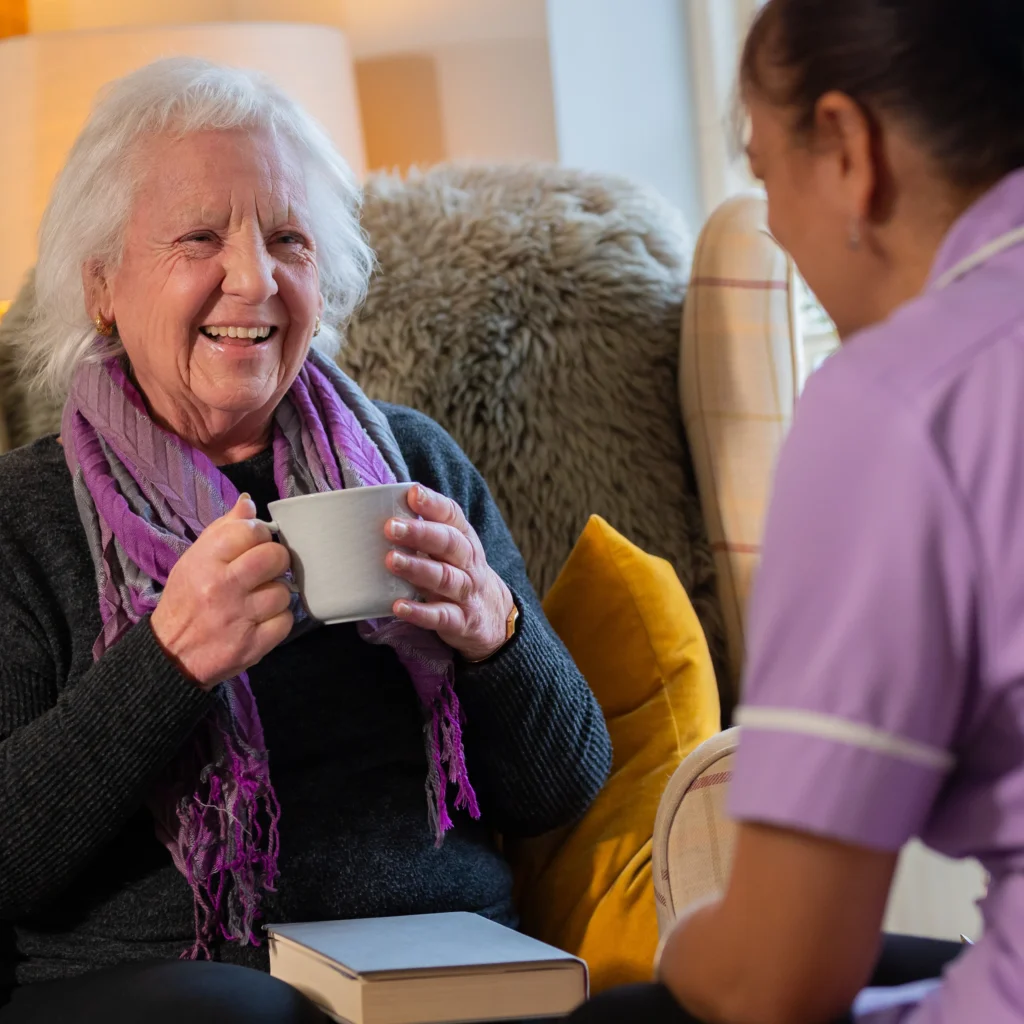
A safer Christmas at home with Helping Hands
Help putting up and taking down decorations
Putting up Christmas decorations can be an enjoyable part of Christmas time, but reaching high shelves, climbing ladders or lifting heavy boxes can pose risks for elderly people. A Helping Hands carer can offer a helping hand with putting up decorations, arranging festive displays and safely taking everything down after Christmas, helping you and your family enjoy the celebrations without unnecessary strain.
Mobility support around the home
With extra decorations, visitors and changes to the usual household layout, getting around the home can become more challenging at Christmas. A Helping Hands carer can provide mobility support, helping your loved one move safely between rooms, get in and out of chairs and navigate everyday activities. They can also help keep walkways clear and ensure your loved one feels comfortable and confident at home.
Peace of mind for families who live far away
Christmas can be a worrying time for families who live too far away to check in on older relatives as often as they would like. Having a Helping Hands carer visit regularly can provide reassurance that your loved one has the support and care they need throughout the festive season. From helping with everyday tasks to sharing a friendly chat, a carer can help make Christmas feel safer, happier and less lonely.
How Helping Hands offers expert care at home
At Helping Hands, we take pride in our ability to adapt to your needs. We can offer expert home care on a live-in, visiting or respite basis.
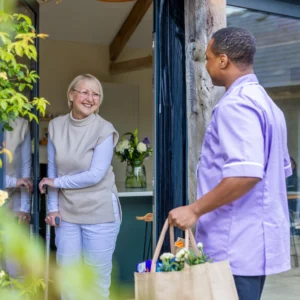
Visiting care
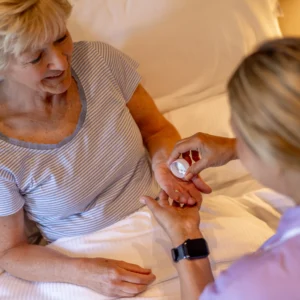
Live-in care
A fully regulated home care provider
Here at Helping Hands, our service is regulated by the Care Quality Commission (CQC) and the Care Inspectorate Wales (CIW).
This means we need to consistently meet high standards and are monitored by our regulators.