What to do when an older person falls at home

Why you should not rush to lift them
After a fall, it’s natural to want to help an older person up right away, but you should always pause for a moment.
Your loved one may have an injury that’s not immediately obvious to you, and lifting or moving them too quickly could make it worse. Stay calm, reassure them and gently ask how they’re feeling, and check whether they’re in pain and can move safely. If they’re unable to get up, seem confused or have potentially injured their head, neck, back or hip, seek medical help rather than attempting to lift them yourself. Being patient and staying by their side can help them feel safe and reassured while you work out the best next step. Your Helping Hands carer can assist you in times of need, with our emergency care striving to be at your doorstep within 24 hours to give you full support.
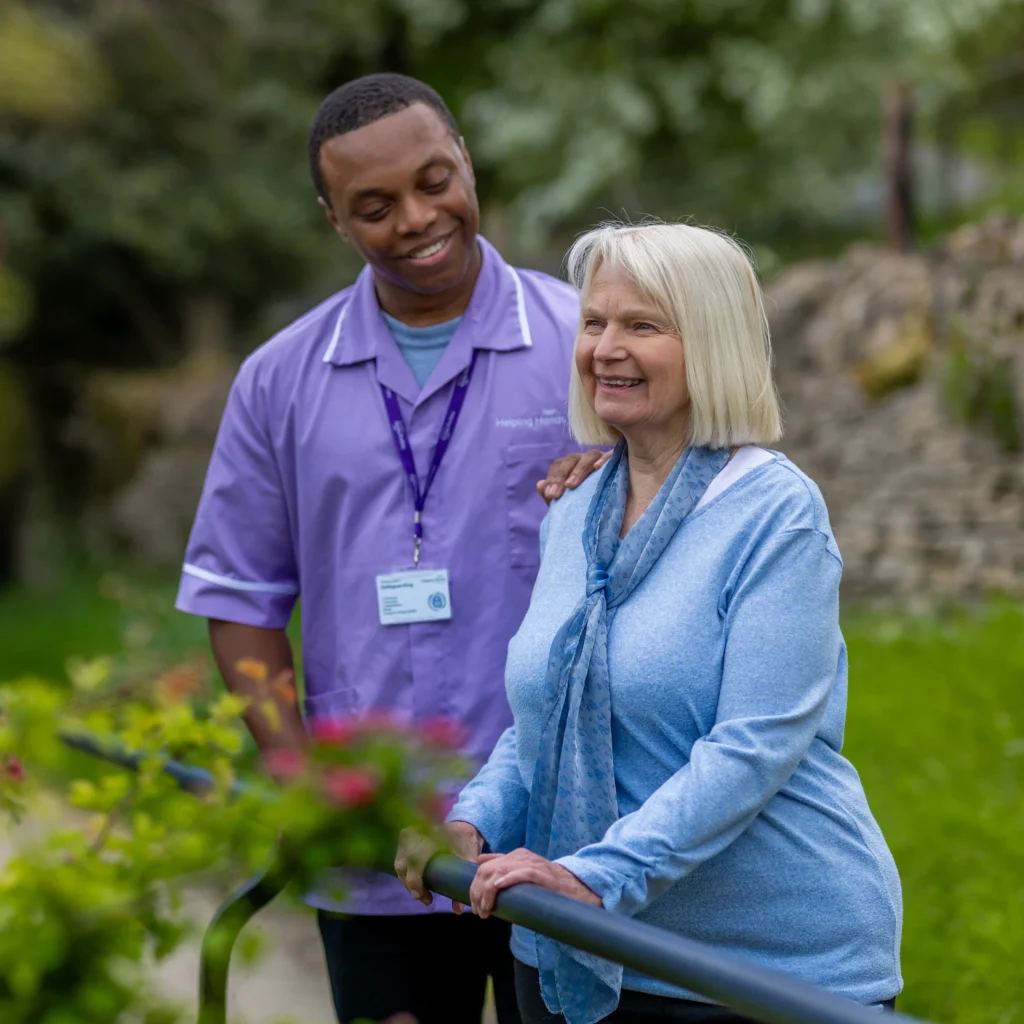
What to do immediately after a fall
Check for injury before moving them
Before helping someone up, take a moment to look and listen for signs that they may have been hurt. Check for pain, swelling, bleeding or difficulty moving, and ask whether they’ve hit their head. If they’re experiencing significant pain or you suspect an injury to their head, neck, back or hip, don’t try to lift them yourself. Keeping them still and comfortable while you get appropriate medical help can help prevent a possible injury from becoming worse.
When to call 999
Call 999 if the person cannot get up, has lost consciousness, is not fully awake or seems confused, has severe bleeding, or may have injured their head, neck, back or hip. You should also call 999 if they develop serious symptoms such as breathing difficulties, a seizure or signs of a stroke. While waiting for help, stay with them, keep them warm and comfortable, and follow the instructions given by the emergency call handler.
When to call 111
If the fall does not appear to be life-threatening but the person is in pain, has an injury, or you’re unsure what medical help they need, NHS 111 can provide urgent advice. They can assess the situation and advise whether the person needs to attend an urgent treatment service, speak to another healthcare professional or receive care at home. If you’re worried about what to do after a fall, it’s always better to seek advice rather than ignore symptoms.
Why the fall may have happened
Understanding what happened can help reduce the risk of a fall happening again.
Sometimes it can be something in the home, such as a loose rug, clutter on the floor, poor lighting or a wet surface. Other falls may be linked to changes in balance, muscle strength, eyesight or mobility, while unsuitable footwear can also make it harder to move around safely. It’s also worth considering whether they felt dizzy, light-headed or unwell before the fall, or whether they’ve recently started taking a new medication. Some health conditions and medicines can increase the risk of falling. Rather than simply putting the fall down to age, take some time to think about what happened and whether there are any changes that could make their home and daily routine safer.

What to watch for over the next 48 hours
Head injury warning signs
After a knock to the head, look out for symptoms such as a worsening headache, vomiting, unusual drowsiness, problems with balance, difficulty speaking or understanding, changes in eyesight, weakness or numbness, or any new confusion. If they become difficult to wake, have a seizure or lose consciousness, call 999.
Signs of a fracture
Pain, swelling, bruising or difficulty putting weight on a limb can all indicate an injury following a fall. They may also have difficulty moving an arm, leg or hip, or the affected area may look an unusual shape. If you suspect they have broken a bone, avoid encouraging them to walk or putting unnecessary pressure on the area, and seek medical advice. If you suspect an injury to the hip, back or neck, or they cannot get up, call 999.
Confusion and signs of infection
Keep an eye out for changes in their usual behaviour or awareness. Sudden confusion, difficulty concentrating, becoming unusually withdrawn or not knowing where they are can be signs that something is wrong. In older people, infections such as urinary tract infections can sometimes cause sudden confusion, although confusion can have many other causes, including a head injury. Sudden confusion should be assessed urgently, so seek medical help rather than assuming it is simply part of getting older.
What to do if they cannot get up
Keeping them warm and comfortable
If an older person cannot get up after a fall, stay with them and reassure them while you arrange the appropriate help. Avoid trying to lift them yourself, as this could cause further injury to either of you. If it is safe to do so, make them as comfortable as possible and cover them with a blanket or coat to help keep them warm. Keep talking to them and let them know that help is on the way, while keeping an eye on any changes in their condition.
Falls response services and telecare
For people who are at greater risk of falling, falls response services and telecare can provide extra reassurance at home. Personal alarms, wearable pendants and other telecare devices can allow someone to call for help if they fall and cannot reach a phone. Some systems can also detect a fall automatically. These services can be particularly helpful for people who spend time alone, giving them a simple way to get assistance while helping families and carers feel more reassured.
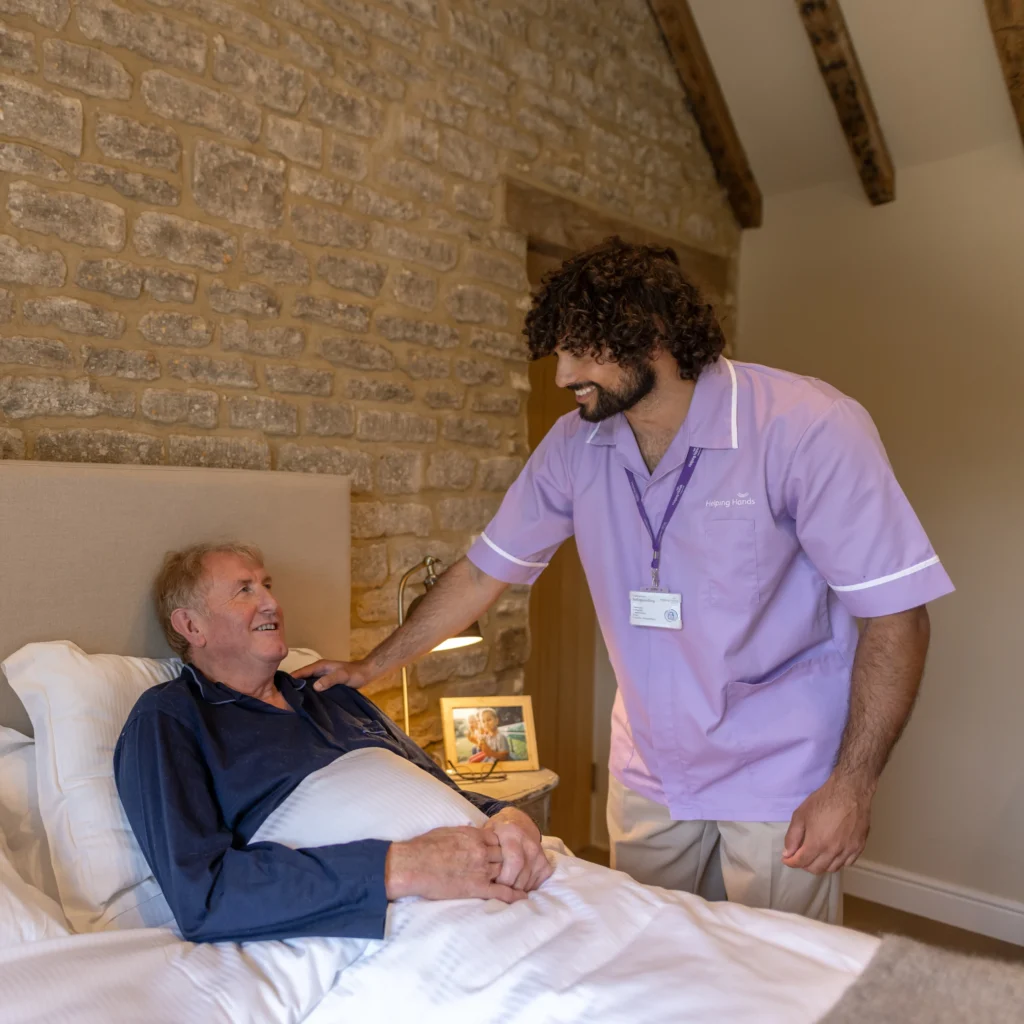
Helping someone up safely, if they are uninjured
Using a chair
If the person is uninjured and feels able to get up, a sturdy, stable chair can give them something secure to hold onto. Position the chair nearby and encourage them to move onto their hands and knees first, before using the chair for support as they slowly rise. Stay close by to reassure them, but avoid taking their weight unless absolutely necessary. If they become dizzy, weak or unsteady, stop and seek further help.
Why you should never lift under the arms
It can be tempting to pull someone up by their arms, particularly when you’re worried about them, but this can cause pain or injury to their shoulders, arms or joints. It can also put you at risk of hurting your own back or losing your balance. Instead of lifting them yourself, encourage them to move independently where it is safe to do so, or wait for appropriate medical or professional assistance if they cannot get up safely.
Preventing another fall
Once someone has recovered from a fall, it’s worth taking a little time to think about how to reduce the risk of it happening again.
Small changes around the home can make a real difference, such as keeping walkways clear, securing loose rugs, improving lighting and making sure frequently used items are easy to reach. Helping Hands offer mobility care which can help put this into place and also make your home more wheelchair accessible. Encourage them to wear well-fitting, supportive footwear and use any walking aids recommended by a healthcare professional. Regular movement and exercises that help maintain strength and balance can also support confidence and stability. If falls are happening more often, speaking to a GP or healthcare professional can help identify any underlying causes and provide further support. Share your mobility needs with your carer, and they can help to create a care plan that adapts to this and provides you greater independence and comfort at home.
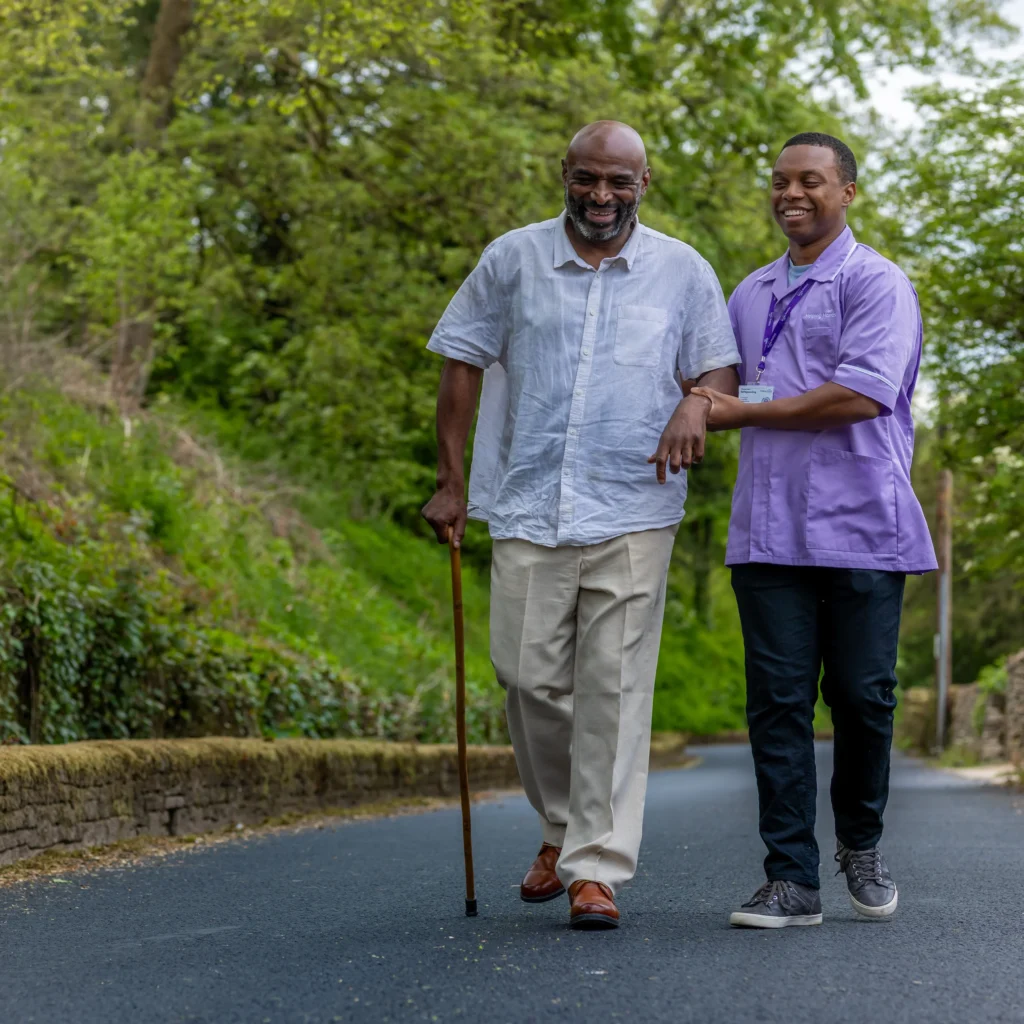
Getting Helping Hands care in place quickly after a fall
At Helping Hands, we take pride in our ability to adapt to your needs. We can offer expert home care on a live-in, visiting or respite basis.

Visiting care

Live-in care
A fully regulated home care provider
Here at Helping Hands, our service is regulated by the Care Quality Commission (CQC) and the Care Inspectorate Wales (CIW).
This means we need to consistently meet high standards and are monitored by our regulators.