Living with diabetes: a practical guide for families and loved ones

Living with diabetes
Living with diabetes involves managing your condition every day, but with the right support and knowledge, it is possible to lead a healthy, active, and fulfilling life.
Part of managing your life with diabetes should include regularily monitoring your blood glucose levels, following a balanced diet, staying physically active, taking prescribed medication or insulin, and attending regular health checks. Diabetes can also affect emotional wellbeing, so it is important to seek support when needed and turn to family members, a friend, or your carer for a shoulder to lean on. Building healthy routines and understanding how factors such as food, exercise, illness, and stress affect your blood sugar can help you feel more confident in managing your condition and reducing the risk of long-term complications. Diabetes affects around 5.6 million people within the UK, so you’re not alone in your journey; try reaching out to support groups or understanding how the condition affects other people.

Understanding your type of diabetes
Alongside the two main types of diabetes, Type 1 and Type 2, there are more that are less well-known.
According to Diabetes UK, Type 1 is where your bllood glucose (sugar) level is too high because your body can’t make a hormone called insulin. Type 2 is where your pancreas doesn’t produce insulin properly, and your blood glucose levels keep rising. Gestational diabetes is diabetes that develops during pregnancy, and Maturity onset diabets of the young (MODY), is a rare form which runs strongly in families. Neonatal diabetes is diagnosed under the age of six months, Wolfram Syndrome is a rare genetic disorder which causes a number of conditions including diabetes. Latent autoimmune diabetes in adults (LADA) has both aspects of both Type 1 and Type 2, and Type 3c diabetes develops when another disease causes damage to the pancreas. Steroid-induced diabetes is like the name implies – those who take steroids can develop diabetes. Cystic fibrosis diabetes is found in those with cystic fibrosis, and monogenic diabetes is a rare condition that is caused by a mutation in a singe gene. Type 5 diabetes is related to malnutrition.

Managing blood sugar levels
Keeping your blood sugar levels within your target range is an important part of managing diabetes. Healthy eating, regular exercise, taking medication as prescribed, and monitoring your blood glucose levels can help you stay well and reduce the risk of complications. Stress, ilness, and sleep can affect your blood sugar too.
Food, meals and healthy eating
Eating a balanced diet can help you manage your diabetes and maintain healthy blood sugar levels. Choosing plenty of fruit and vegetables, wholegrains, lean proteins, and healthy fats can support your overall health. Eating regular meals and being mindful of portion sizes can also help keep your energy levels steady throughout the day.
Medication and insulin routines
Taking your medication or insulin as prescribed is an important part of managing diabetes. Following a regular routine can help keep your blood sugar levels stable and reduce the risk of complications. If you have any questions about your treatment, speak to your healthcare team for advice and support.
Recognising hypos and hypers
Hypos and hypers are critical to maintaining blood glucose (sugar) levels.
Recognising the signs of low blood sugar (hypoglycaemia or a “hypo”) and high blood sugar (hyperglycaemia or a “hyper”) is an important part of managing diabetes. A hypo can develop when blood sugar levels fall too low and may cause symptoms such as shaking, sweating, dizziness, hunger, confusion, or difficulty concentrating. A hyper occurs when blood sugar levels become too high and may lead to increased thirst, frequent urination, tiredness, blurred vision, and headaches. Knowing how to recognise these symptoms and taking appropriate action can help prevent more serious complications. Monitoring your blood glucose levels regularly and following your diabetes care plan can help you identify changes early and manage them effectively.

Staying active with diabetes
Getting active can be a crucial part of managing diabetes and brings benefits such as:

Foot care, eye care and regular checks
Looking after your feet, attending eye screening appointments, and having routine diabetes reviews can help identify potential problems early and reduce the risk of complications. If you notice any changes to your feet, vision, or overall health, seek advice from a healthcare professional.
Emotional wellbeing
Living with diabetes can sometimes affect your emotional wellbeing as well as your physical health. It is important to seek support if you are feeling overwhelmed, stressed, or anxious. Talking to family, friends, healthcare professionals, or support groups can help you with emotional support.
Work, driving and travel
Diabetes should not stop you from working or travelling. Planning ahead, monitoring your blood sugar levels, and carrying any medication or supplies can help you stay safe and confident. If you drive, it is important to follow the relevant guidance and ensure your diabetes is well managed.
Support for family and carers
Helping Hands can be there for you during your diabetes journey with our expert live-in care.
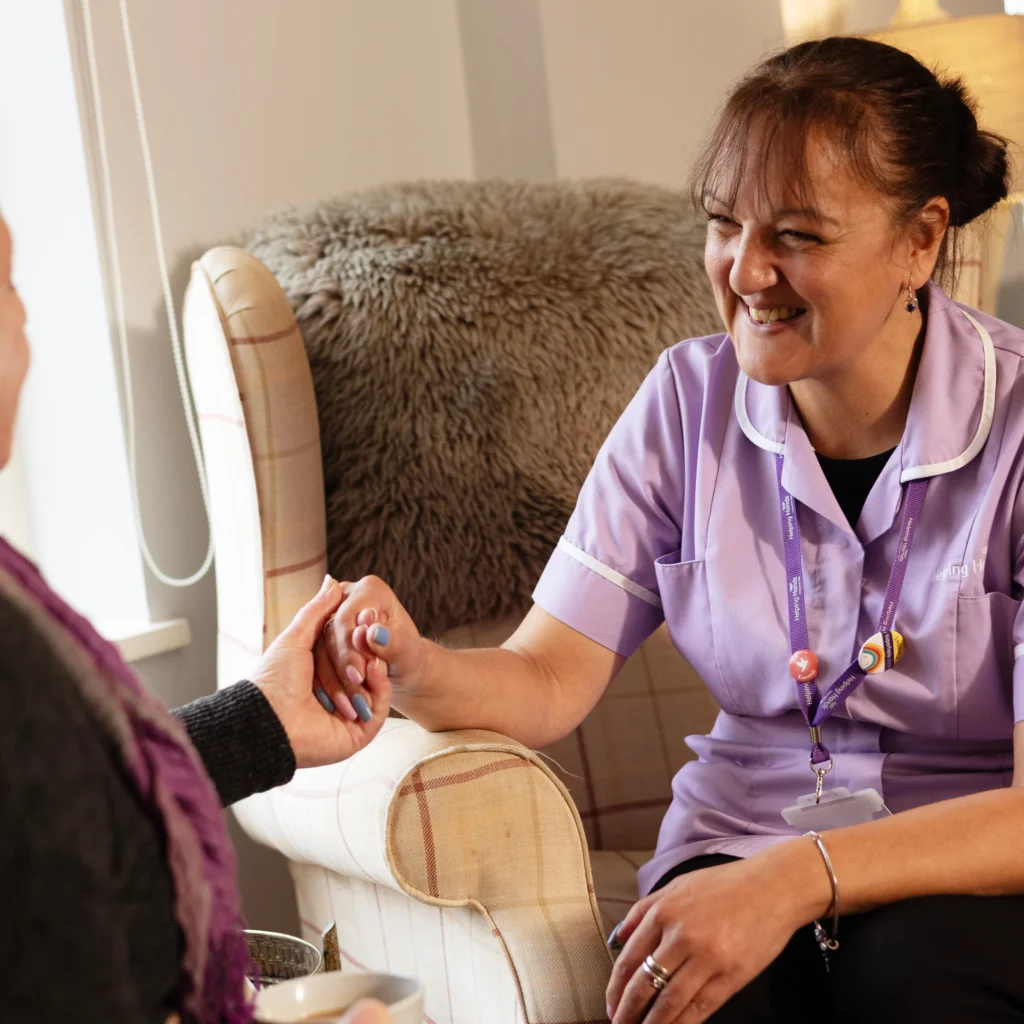
Whether you’ve recently been diagnosed or have been managing your condition for a while and now feel like you need further support, Helping Hands can be there to step in when you need us most in the home you love. We can offer condition-led care that aims to adapt to your diabetes, not the other way around. We’ll support you to be more active in day to day life, whether that’s forming a daily exercise routine or getting you more involved in the community. We can accompany you to any GP and hospital appointments and keep in regular contact with your family members and healthcare professionals. We’re the UK’s top home care provider for a reason, so we’re excellent at providing nursing care that helps with your more complex needs. Not only this, but we’re proud of our companionship services which makes sure it’s not just a carer coming into your home, but a trusted friend. We’re here for you through thick and thin, and you can put your trust in us that you’re in the best of hands – Helping Hands.
When to get medical help
If you've noticed new symptoms or perhaps your existing ones changing, it's a good idea to seek medical attention.
If you’ve been managing diabetes for a while, it can sometimes go unnoticed if your needs change and you’re finding you’re starting to slow down a little more. Contact your GP or diabetes care team if your blood sugar levels are consistently too high or too low, or if you are experiencing frequent hypos or hypers. You should also get urgent medical advice if you feel very unwell, are vomiting, have difficulty staying hydrated, or notice signs of infection or slow-healing wounds. Early support can help prevent complications and keep your condition well managed, and you can rely on us to be there for you when you need an extra hand getting back on your feet. We offer live-in care for around-the-clock support, visiting care for scheduled visits, and respite care for short-term, temporary help.

Diabetes support with Helping Hands
At Helping Hands, we take pride in our ability to adapt to your needs. We can offer expert home care on a live-in, visiting or respite basis.

Visiting care

Live-in care
A fully regulated home care provider
Here at Helping Hands, our service is regulated by the Care Quality Commission (CQC) and the Care Inspectorate Wales (CIW)
This means we need to consistently meet high standards and are monitored by our regulators.